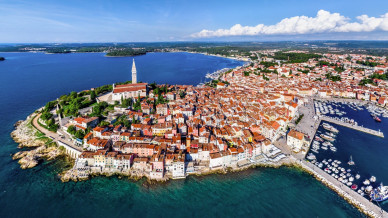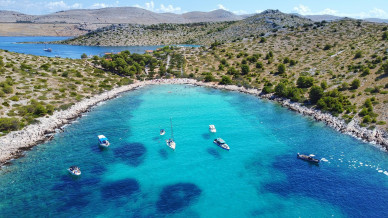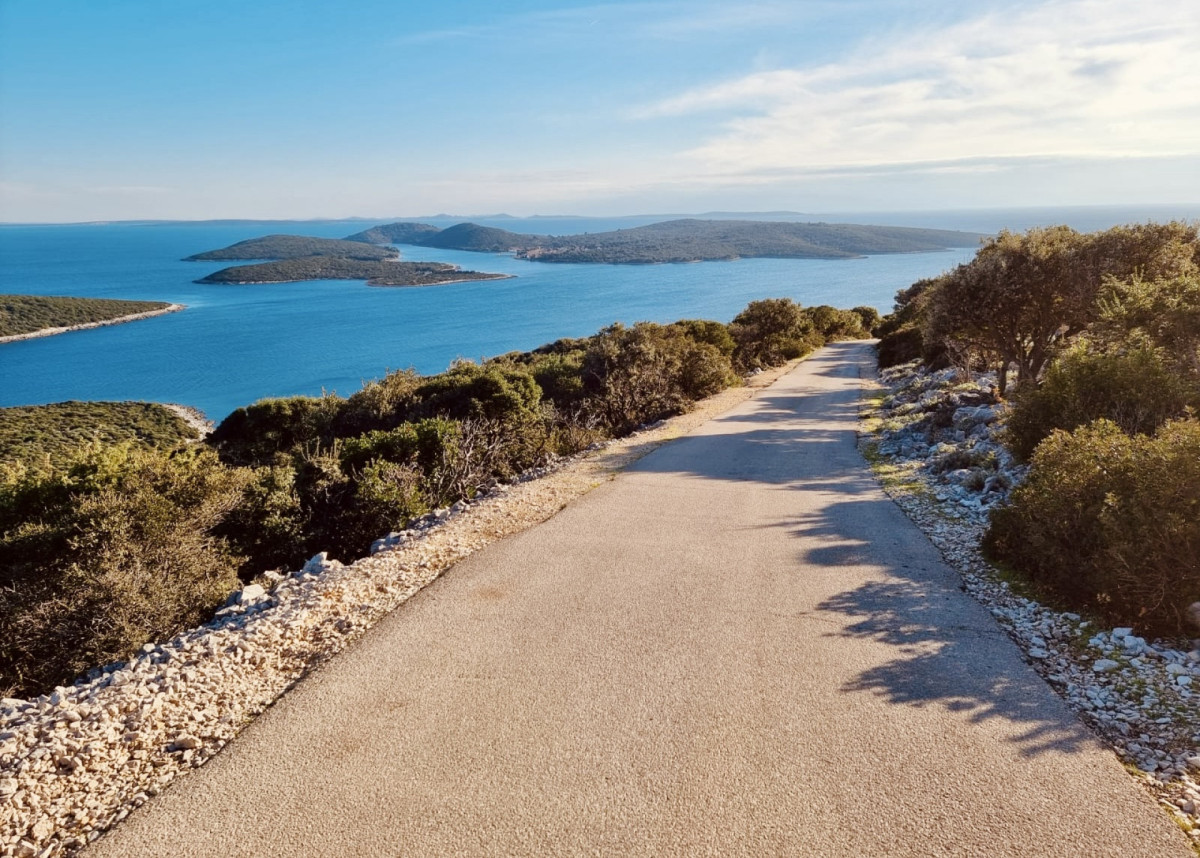

When travelers imagine a Croatian island escape, their thoughts often drift south to Hvar, Brač or Korčula. Yet between the Istrian Peninsula and the northern Adriatic lies a quieter side of Croatia, one shaped by fragrant pine forests, secluded coves, historic fishing villages and remarkably clear blue water.
The Kvarner Islands, particularly Cres and Lošinj, offer a different rhythm. Less defined by beach clubs and crowded promenades, they invite travelers to slow down: mornings by the sea, afternoons exploring centuries-old villages and evenings over freshly caught fish in a waterfront konoba.
Cres feels wild, spacious and wonderfully unhurried. Lošinj is greener and more polished, famous for its aromatic vegetation, maritime heritage and long association with health and wellbeing. Connected by a small bridge, the two islands can easily become one memorable journey.
For travelers searching for an alternative to Croatia's better-known southern coast, Cres and Lošinj deserve a place at the top of the list.
Why Visit Cres and Lošinj?
Cres and Lošinj share the same archipelago, but each has its own character.
Cres is the more rugged of the two. Its landscapes shift between rocky northern hills, Mediterranean vegetation, olive groves and isolated beaches reached by winding roads or walking paths. Small settlements appear almost unexpectedly, often overlooking bays that seem remarkably untouched.
Lošinj, meanwhile, is known as the “Island of Vitality”, with a tradition of wellness tourism dating back to the 19th century. Its mild climate, abundant sunshine and aromatic vegetation, particularly its dense pine forests, helped establish the island's reputation as a place for rest and recuperation.
Today, that heritage feels surprisingly contemporary. Days here naturally revolve around swimming, walking, sailing, good food and time outdoors.
The surrounding waters are another reason to visit. The Lošinj archipelago is one of the Adriatic's best-known habitats for bottlenose dolphins, making responsible dolphin-watching excursions a particularly memorable way to experience the islands.
Together, Cres and Lošinj offer something increasingly valuable in Croatia: the feeling that there is still room to explore.
Cres: Wild Landscapes and Timeless Villages
Arriving on Cres immediately reveals how different it feels from Croatia's busiest island destinations. There is space here: long stretches of road, open landscapes and small communities where daily life remains closely tied to the sea.
Cres Town: Venetian Heritage by the Harbour
Cres Town is the island's natural starting point. Built around a sheltered harbour, the old town is a maze of narrow stone streets, pastel façades and small squares that reveal centuries of Venetian influence.
The waterfront becomes particularly atmospheric in the evening, when fishing boats return to the harbour and restaurant terraces fill without the intensity of Croatia's larger resort towns.
Spend some time wandering away from the main promenade. The quieter streets, historic stone houses and hidden courtyards are part of Cres Town's charm.
From here, it is also easy to explore nearby beaches and villages or set out by boat in search of more secluded bays.
Valun: A Tiny Fishing Village Worth the Detour
On the western coast of Cres, Valun offers an even slower pace.
The small fishing settlement tumbles gently toward a picturesque harbour, surrounded by greenery and clear Adriatic water. Cars remain outside the historic centre, adding to the village's peaceful atmosphere.
Valun makes an excellent stop for a long seafood lunch followed by an afternoon swim. Nearby coves and pebble beaches are easily reached on foot, while the village itself is small enough to explore without a plan.
It is precisely this simplicity that makes Valun memorable.
Beli: Cres at Its Wildest
In the north, Beli reveals another side of the island.
Perched dramatically above the sea, this ancient hilltop settlement sits within one of Cres's most rugged landscapes. The surrounding area is closely associated with the island's griffon vultures, which nest on cliffs overlooking the Adriatic.
Below the village, a small beach provides a beautiful contrast to the rocky landscape above.
The drive to Beli is part of the experience: narrow island roads, forests and expansive views create a sense of entering somewhere genuinely remote.
Lošinj: Pine Forests, Dolphins and Adriatic Elegance
Cross the short bridge at Osor, and the scenery gradually changes.
Lošinj feels greener and more sheltered than Cres. Aleppo pines reach toward the water, walking paths trace the coastline, and protected bays provide natural harbours.
The island's combination of nature, wellness heritage and understated elegance makes it particularly appealing to travelers who want relaxation without isolation.
Mali Lošinj: The Heart of the Island
Despite its name, Mali Lošinj is the largest settlement on the island and one of the most attractive harbour towns in the northern Adriatic.
Its colourful houses curve around a deep natural bay filled with fishing boats, sailing yachts and small waterfront restaurants. Behind the harbour, narrow streets climb gently toward quieter residential neighbourhoods.
Mali Lošinj works equally well as a base for exploring the island or as a destination in itself.
Spend a morning over coffee along the harbour, walk through the fragrant pine forests in the afternoon and finish the day with seafood overlooking the water.
For one of the best panoramas, head toward Providenca viewpoint before sunset, when the islands scattered across the Kvarner Gulf take on warm golden tones.
Where to Find the Best Beaches in Mali Lošinj
The typical beach in Mali Lošinj is less about endless stretches of sand and more about rocky coves, pine shade and extraordinarily transparent water.
Čikat Bay is among the best-known swimming areas, combining sheltered water with walking paths through mature pine forest. Sunčana Uvala is another favourite, while smaller coves around the island reward travelers willing to walk a little farther from the road.
One of Lošinj's great pleasures is finding a quiet place along the coast, spreading out a towel beneath the pines and swimming directly from the rocks into the Adriatic.
Water shoes are useful, but crowds are often optional.
Veli Lošinj: Small-Town Charm by the Sea
A short drive or scenic coastal walk from Mali Lošinj leads to Veli Lošinj.
Despite the names, Veli Lošinj is considerably smaller than Mali Lošinj. Its compact harbour, colourful waterfront houses and elegant historic villas give it a particularly intimate atmosphere.
The village's maritime history remains visible everywhere, while the surrounding coastline is ideal for walking and swimming.
Veli Lošinj is also closely connected to the island's dolphin conservation story. The waters around Lošinj are home to a resident population of bottlenose dolphins, and local conservation initiatives have spent decades studying and protecting them.
For visitors, seeing dolphins in their natural environment can easily become one of the highlights of a trip, particularly when choosing an excursion that follows responsible wildlife-watching practices.
The Healing Air of Lošinj
Lošinj's reputation as a wellness destination isn't a recent invention.
During the Austro-Hungarian era, the island became known for its favourable microclimate and was developed as a climatic health resort. Its combination of sea air, mild temperatures and aromatic Mediterranean vegetation attracted visitors seeking long restorative stays.
The pine forests planted and cultivated around Mali and Veli Lošinj became part of that identity.
Today, you don't need to arrive with a doctor's recommendation to understand the appeal. Walking beneath the pines with the scent of rosemary and salt in the air is one of the simplest pleasures of staying here.
It also helps explain why luxury on Lošinj often feels different from elsewhere on the Adriatic. The emphasis is less on being seen and more on privacy, nature and wellbeing.
Getting to Cres and Lošinj by Ferry
Part of the islands' quieter character comes from geography. Getting here requires a little more planning than driving directly to many mainland destinations, but connections are straightforward.
One of the most useful routes for travelers arriving from Istria is the Brestova-Porozina ferry, which connects the Istrian mainland with northern Cres. From Porozina, the road continues south through Cres toward Osor and Lošinj.
Another Cres ferry connection operates between Valbiska on the island of Krk and Merag on Cres, making it convenient for travelers arriving from Rijeka, Zagreb or Krk.
Once on Cres, no additional ferry is required to reach Lošinj. The islands are connected by road via the small bridge at Osor.
Travelers researching Mali Lošinj ferries should keep in mind that passenger and vehicle connections can vary by season. In summer, additional catamaran and ferry services can make island-hopping easier, while schedules outside the peak season may be more limited.
Always check current sailing schedules before planning your route, particularly if you're coordinating ferry connections with flights or a villa check-in.
Exploring Cres and Lošinj by Car
A car gives you considerably more freedom on these islands.
The main road connects northern Cres with Cres Town, Osor and Mali Lošinj, but many of the most rewarding places require detours along smaller roads.
Those detours are precisely where the islands become interesting.
A handwritten sign pointing toward olive oil, an almost empty beach at the bottom of a steep path or a tiny village restaurant can easily become the highlight of the day.
Allow more time than the distance on the map suggests. Island roads can be narrow and winding, and rushing rather defeats the purpose of being here.
Camping on Cres
Cres also has a long tradition of outdoor holidays. Search for camping on Cres in Croatia, and you'll find options ranging from larger coastal campsites to simpler nature-focused stays.
It makes sense given the landscape. Much of the island's appeal comes from being outdoors, whether swimming in quiet bays, hiking between villages or waking up close to the sea.
Camping is particularly popular during the warmer months, although travelers looking for greater privacy may prefer a villa as a base for exploring both islands.
A private villa also makes it easier to combine Cres's rugged nature with slower days by the pool, outdoor dinners and day trips without constantly changing accommodation.
What to Eat on Cres and Lošinj
Food across the islands reflects their geography.
Cres is particularly famous for lamb, traditionally raised on the island's rocky pastures among aromatic Mediterranean herbs. Local olive oil is another essential ingredient, with olive cultivation forming part of Cres's landscape for centuries.
Along the coast, look for grilled fish, octopus, scampi, shellfish and simple pasta dishes that allow excellent ingredients to do most of the work.
Lošinj's cuisine similarly draws from the sea and surrounding Mediterranean vegetation, with herbs frequently playing an important role.
Rather than searching exclusively for fine dining, leave room for small family-run konobas. A simple plate of freshly caught fish, local olive oil and a glass of Croatian wine beside a quiet harbour often provides a more memorable experience than an elaborate tasting menu.
Cres and Lošinj vs. Dalmatia
Dalmatia deserves its popularity. Dubrovnik, Split, Hvar, Brač and the southern islands offer some of Croatia's most spectacular landscapes and historic towns.
But they aren't the only version of the Adriatic.
Cres and Lošinj are particularly appealing to travelers who have already experienced southern Croatia or simply prefer destinations that feel calmer and less internationally saturated.
The differences become part of the attraction.
Instead of dramatic medieval cities, there are tiny fishing villages. Instead of famous beach clubs, there are coves beneath pine trees. Instead of planning each day around major sights, you can follow the coastline and stop wherever looks inviting.
This is not about choosing Kvarner instead of Dalmatia. It is about discovering another side of Croatia.
And for travelers considering a private villa holiday, the wider northern Adriatic offers considerably more variety than many first-time visitors expect. Our guide to luxury villas in Istria and Kvarner is a useful next step for exploring private stays across this part of Croatia.
When to Visit Cres and Lošinj
July and August bring the warmest weather, liveliest atmosphere and widest choice of seasonal restaurants and boat excursions. They are also naturally the busiest months.
For many travelers, June and September offer an ideal balance. The Adriatic is inviting for swimming, days remain warm, and the islands tend to feel considerably more relaxed.
May and early October can also be beautiful for walking, cycling and exploring villages, although some seasonal businesses and ferry connections operate on reduced schedules.
If your priority is swimming and long evenings outdoors without the height of summer crowds, the shoulder season is particularly appealing.
How Long Should You Stay?
Although Cres and Lošinj can technically be visited quickly, they reward a slower itinerary.
A week gives you enough time to experience both islands without turning the trip into a checklist. You might spend several days discovering Cres Town, Valun, Beli and hidden beaches before continuing south toward Osor, Mali Lošinj and Veli Lošinj.
With ten days or more, the experience changes again. There is time for boat trips, dolphin watching, long lunches, coastal walks and entire days with no agenda beyond finding somewhere beautiful to swim.
That's when Kvarner begins to feel less like a destination you're visiting and more like an island rhythm you've temporarily joined.
A Quieter Croatian Island Escape
Cres and Lošinj don't compete for attention in the same way as Croatia's most famous islands. That is precisely their strength.
Here, the Adriatic reveals itself through small details: the scent of pine trees warmed by the sun, a dolphin surfacing beyond a boat, stone houses clustered around a tiny harbour and an empty cove discovered at the end of a walking trail.
Mali Lošinj brings colour, elegance and life to the archipelago. Veli Lošinj offers intimate coastal charm. Cres provides wilderness and space, from the harbour of Cres Town to the fishing village of Valun and the dramatic landscapes surrounding Beli.
Together, they make the Kvarner Islands one of Croatia's most rewarding alternatives to the familiar routes of Dalmatia.
For travelers who value privacy, nature and the freedom to slow down, Cres and Lošinj offer exactly what an island escape should: fewer crowds, clearer horizons and enough hidden corners to make you want to stay a little longer.
Where to Stay on Cres and Lošinj
Choosing where to stay can shape the entire experience of the Kvarner Islands. While hotels and campsites are available across the archipelago, a private villa gives you something particularly suited to Cres and Lošinj: space, privacy and the freedom to experience the islands at your own pace.
Instead of following hotel schedules, mornings can begin with a swim before breakfast, afternoons can disappear into hidden coves and evenings can stretch out over dinner overlooking the Adriatic.
For travelers looking for an elevated island retreat, My Luxoria offers exceptional villas on both Lošinj and Cres.
Villa Contessa, Mali Lošinj
For a luxurious stay close to the island's main town, Villa Contessa brings together privacy, contemporary comfort and direct access to the sea.
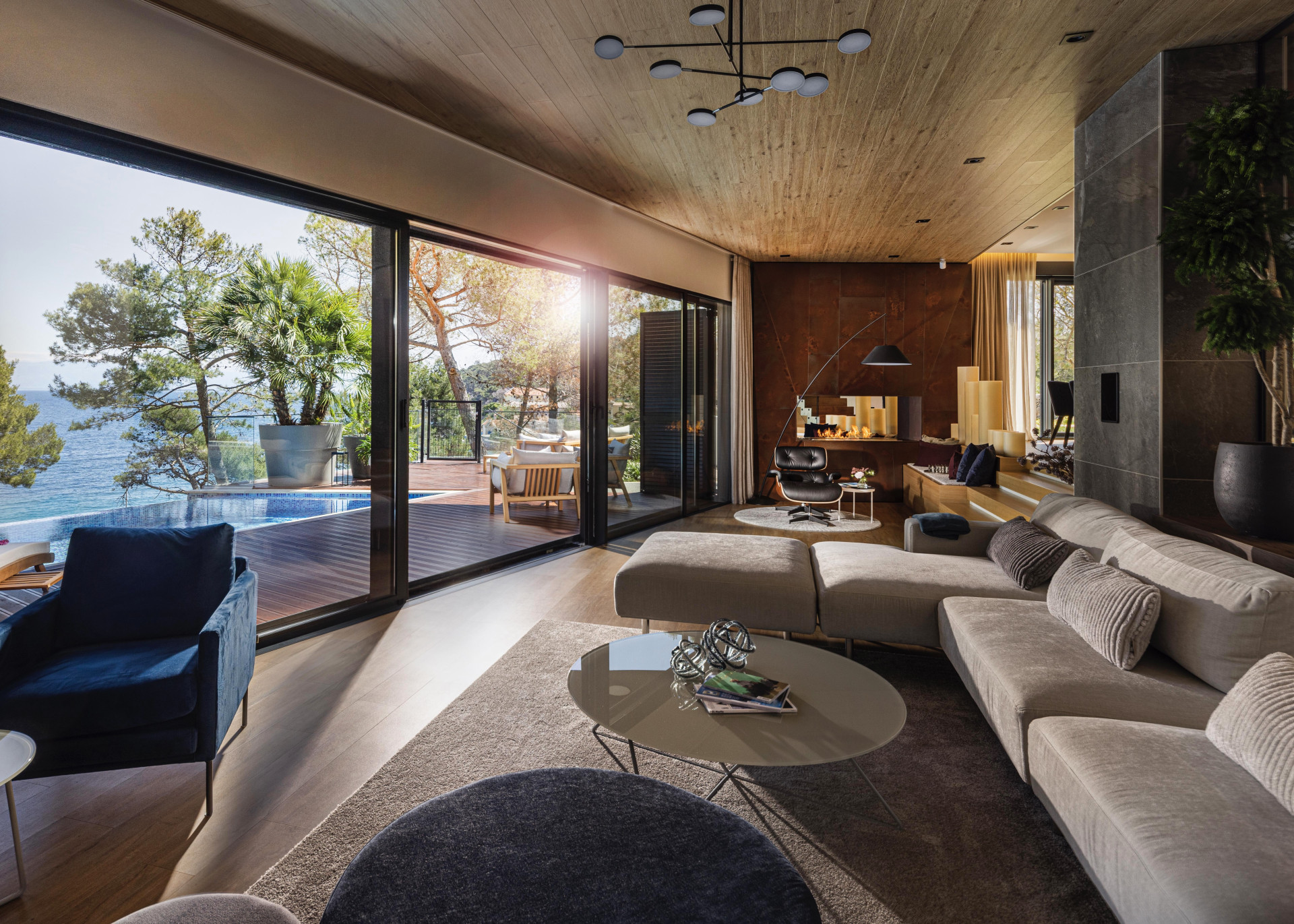
Located in Mali Lošinj, this impressive 450 m² villa accommodates up to 12 guests across five bedrooms. Its position just 10 metres from the beach means the Adriatic is practically on the doorstep, while the centre of Mali Lošinj is around one kilometre away.
The villa has been designed as much for the experience as for the accommodation itself. Guests can enjoy a heated infinity pool, panoramic spa area, private cinema and gym, while concierge service, daily cleaning and a private chef are included. Families are particularly well catered for, with a dedicated children's bedroom and play spaces.
It is an excellent choice for families or groups who want the nature and tranquillity associated with Lošinj without giving up the services of a high-end private retreat.
Discover Villa Contessa in Mali Lošinj and experience one of Croatia's most exclusive island stays.
Villa St. Martin Reef, Cres
Travelers drawn to Cres for its wilder landscapes and quieter atmosphere can make the island itself part of their stay at Villa St. Martin Reef.
The villa provides an ideal base for experiencing the slower side of Cres - mornings by the Adriatic, trips to Cres Town and afternoons spent discovering small villages, secluded bays and the island's wonderfully untamed coastline.
Staying in a private villa on Cres also gives you the freedom to explore without turning every day into an itinerary. Visit Valun for lunch, drive north toward Beli, find a quiet beach along the way and return home for an evening entirely your own.
Explore Villa St. Martin Reef on Cres and discover Cres from the privacy of your own island retreat.
Frequently Asked Questions About Cres and Lošinj
Is Mali Lošinj worth visiting?
Absolutely. Mali Lošinj combines a picturesque historic harbour with pine-covered coastline, beautiful swimming spots and easy access to the rest of the island. It is particularly appealing to travelers looking for nature, good food and a relaxed atmosphere without feeling completely remote.
What is Lošinj, Croatia, best known for?
Lošinj is particularly known for its mild climate, aromatic vegetation, extensive pine forests and long wellness tradition. The surrounding sea is also home to bottlenose dolphins, making dolphin watching one of the island's most distinctive experiences.
Is Cres in Croatia worth visiting?
Yes, especially if you prefer quieter destinations and dramatic natural landscapes. Cres combines historic towns and fishing villages with olive groves, rocky hills and secluded beaches. Cres Town, Valun and Beli are among the island's most rewarding places to explore.
Which Kvarner island is better, Cres or Lošinj?
It depends on the kind of holiday you want. Cres feels larger, wilder and more remote, while Lošinj is greener and offers a slightly more refined resort atmosphere. Because the two islands are connected by a bridge at Osor, you don't necessarily have to choose — they work extremely well as one trip.
Can you drive between Cres and Mali Lošinj?
Yes. Cres and Lošinj are connected by a small bridge at Osor, so once you arrive on either island with a car, you can drive between them without taking another ferry.
How do you get to Cres by ferry?
Two useful car ferry routes connect Cres with the mainland and neighbouring islands. The Brestova–Porozina ferry connects Istria with northern Cres, while the Valbiska–Merag route connects Krk with Cres. The best option depends on where you are arriving from, and schedules should always be checked before traveling.
Are there ferries to Mali Lošinj?
Mali Lošinj has passenger connections that vary depending on the season and route. Travelers arriving by car can also take a ferry to Cres and continue south by road to Lošinj. It is always advisable to check current Mali Lošinj ferry schedules when planning your journey.
What are the beaches like in Mali Lošinj?
Beaches around Mali Lošinj are typically pebble or rocky coves surrounded by Mediterranean vegetation and pine forest. Čikat Bay and Sunčana Uvala are among the best-known areas, but some of the most rewarding swimming spots are smaller coves discovered while exploring the coastline.
How many days do you need for Cres and Lošinj?
Seven days is enough to experience the highlights of both islands, although ten days or more allows for a much slower trip. With extra time, you can combine sightseeing with boat trips, swimming, coastal walks and days spent simply enjoying your villa.
Is Cres or Lošinj a good alternative to Dalmatia?
Yes. Travelers who love Croatia but want to venture beyond Hvar, Brač, Split and Dubrovnik will find a very different atmosphere in Kvarner. Cres and Lošinj offer clear Adriatic water and beautiful historic settlements but generally place greater emphasis on nature, wellness, quiet coves and slow island living.
Find Your Private Escape on Cres and Lošinj
The best way to understand Cres and Lošinj is not to rush through them.
Stay long enough to have nowhere particular to be. Swim before breakfast. Follow a narrow road simply because you want to know where it leads. Spend an afternoon beneath the pines, watch the boats return to Mali Lošinj and leave room for the possibility of spotting dolphins somewhere along the way.
These islands offer a quieter expression of Croatian luxury, one defined by privacy, nature and time.
And the right villa allows you to experience it entirely on your own terms.
Whether you imagine waking beside the sea at Villa Contessa in Mali Lošinj or making Villa St. Martin Reef on Cres your base for exploring the island's wild coastline, My Luxoria offers handpicked properties for an unforgettable Kvarner escape.
Ready to discover a different side of the Croatian Adriatic?
Explore Villa Contessa in Mali Lošinj or discover Villa St. Martin Reef on Cres and find your private island escape with My Luxoria.