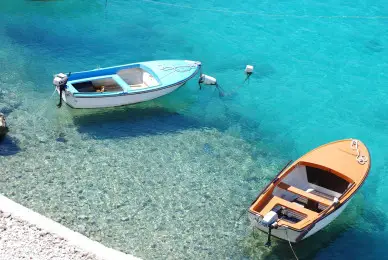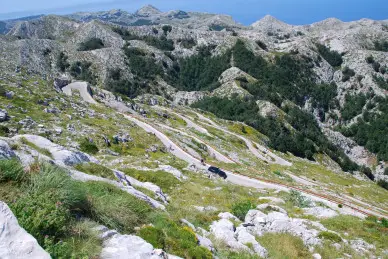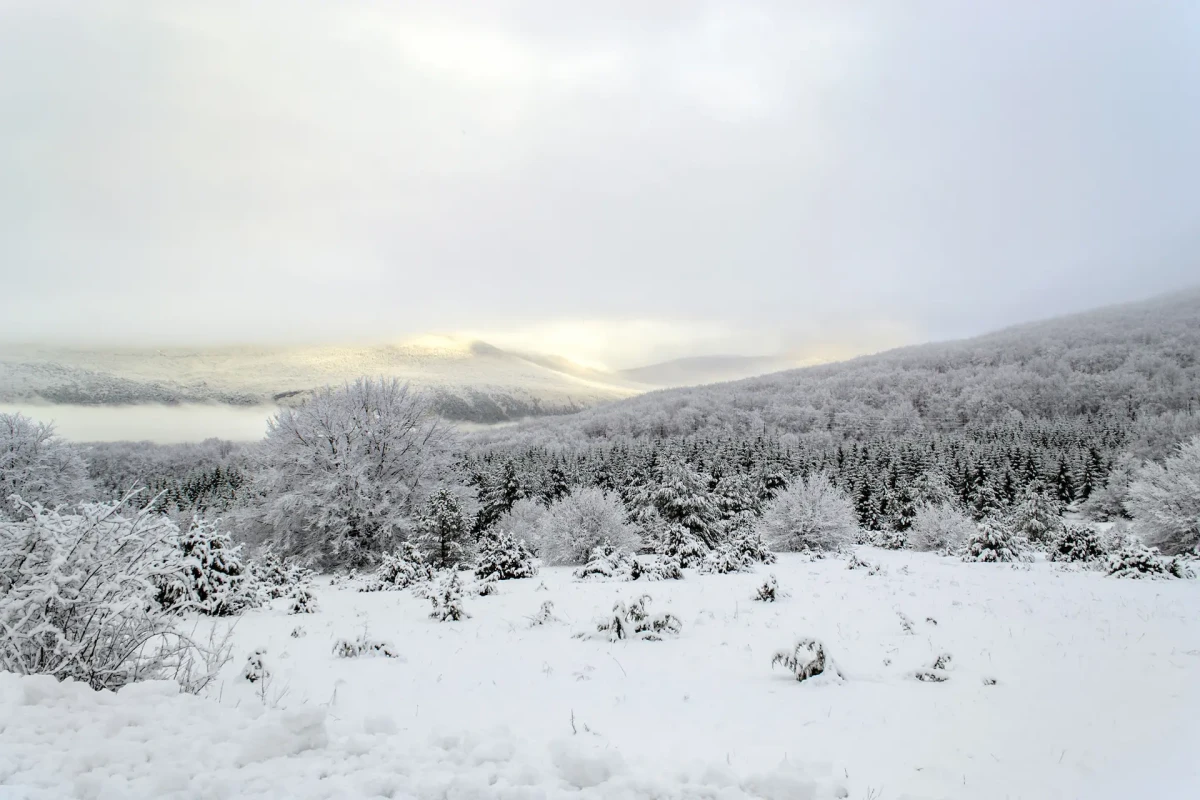
Croatia in winter offers a completely different pace from the busy summer season. Between December and February, you can expect festive Christmas markets, quieter historic towns, crisp sunny days along the coast, and snowy landscapes inland. While coastal cities like Split, Dubrovnik, and Zadar enjoy relatively mild weather, inland areas experience much colder temperatures, with frost and occasional snowfall. Major cities remain lively year-round, with cafés, restaurants, and museums staying open, while smaller coastal towns and islands slow down significantly. Whether you want to wander through historic streets, experience local traditions, or explore national parks without the summer crowds, spending winter in Croatia can be a deeply rewarding experience.
Regional Weather in Croatia in Winter: Coast vs. Inland
Winter weather in Croatia varies significantly across its three main climate zones. While the coast remains mild and quiet, inland and mountain regions offer a true winter atmosphere.
| Region | Avg. Daytime Temp | Main Weather Features |
| Adriatic Coast | 8°C – 12°C (46°F – 54°F) | Mild, sunny spells, rain, Bura & Jugo winds |
| Inland Croatia | Around 0°C – 5°C (32°F – 41°F) | Cold, morning frost, occasional snow |
| Mountain Regions | Below 0°C (Below 32°F) | Heavy snow, lasting snow cover |
The Adriatic Coast: Sightseeing and Coastal Winds
Coastal cities like Split, Dubrovnik, Zadar, and Rovinj (spanning Istria, Kvarner, and Dalmatia) are ideal for relaxed sightseeing without summer crowds. When packing for the coast, keep in mind two distinct local winds that shape daily weather:
Bura (Bora): A cold, dry wind from the northeast that brings clear blue skies but sharp, sudden temperature drops.
Jugo (Sirocco): A warm, humid wind from the south that typically brings heavy clouds, rain, and rough seas.
Inland Croatia: Winter Markets and Café Culture
Destinations like Zagreb and Slavonia experience a true continental winter, with January being the coldest month. Rather than beach weather, this region shines through its cozy café culture, festive winter markets in December, and crisp, frosty mornings.
Mountain Regions: Snowy Landscapes
Gorski Kotar and Lika offer a genuine winter wonderland. Plitvice Lakes National Park and the surrounding peaks are popular for winter walks and snowy photography, though access to certain park trails may be restricted depending on snow levels.
Visiting Croatia in Winter: Month-by-Month Guide (December – February)
Travelling to Croatia in winter offers a distinct atmosphere depending on when you go. December lights up with famous Christmas markets, January brings the quietest low-season travel and lowest prices, while February comes alive with traditional carnival festivities along the coast.
December in Croatia: Christmas Markets, Weather & Best Places to Visit
December is the liveliest winter month to visit Croatia, especially in major cities. Main streets and squares come alive with twinkling lights, decorated trees, wooden stalls serving mulled wine and fritule (sweet Croatian fritters), and open-air concerts. The absolute highlight is Advent in Zagreb-repeatedly voted one of Europe's best Christmas markets, famous for its central ice-skating park and vibrant street food scene. Beyond Zagreb, inland cities like Varaždin and Osijek offer smaller, authentic Christmas markets worth exploring. December is equally rewarding for food lovers eager to try traditional Croatian holiday dishes, from hearty sarma (stuffed cabbage rolls) to spiced paprenjaci biscuits. Just keep in mind that December 25 and 26 are national public holidays, meaning most shops, museums, and restaurants will be closed or operating on limited hours.
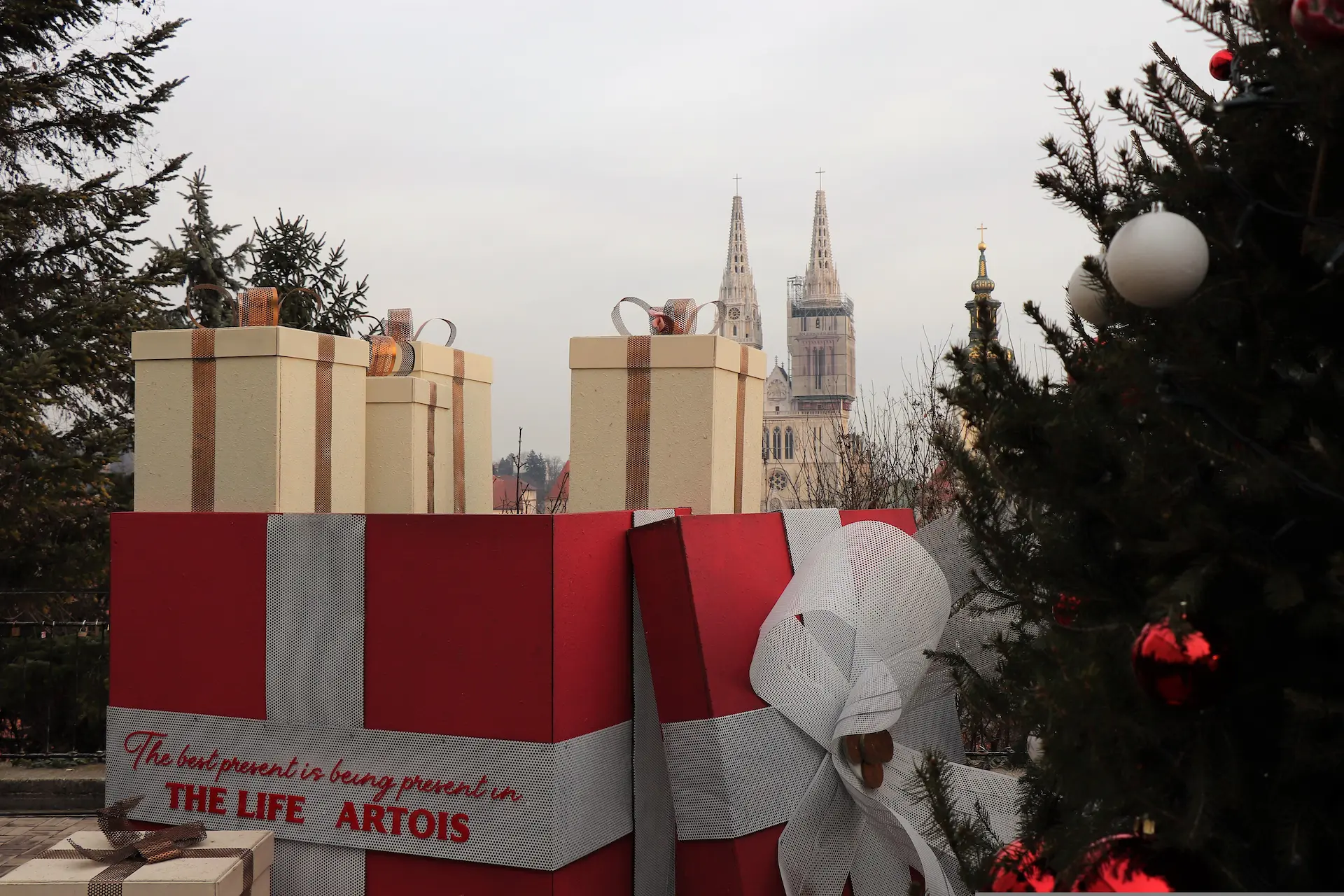
Coastal destinations, including Split, Dubrovnik, Rijeka, Zadar, Šibenik, and Opatija, also host charming Advent celebrations-with Opatija famous for its romantic seaside illuminations and Šibenik known for its eco-friendly Adventura festival. You can easily combine holiday events with relaxed sightseeing through historic old towns. When planning your itinerary, the best places to visit in Croatia in December depend on whether you want festive city squares or mild coastal walks. While Croatia weather in December brings crisp, chilly air inland, the coast stays relatively mild-though packing for occasional rain and chilly evenings is essential.
Outside the main hubs, smaller coastal towns and islands become very peaceful, as most seasonal restaurants, hotels, and ferry routes operate on a reduced winter schedule. Late December also brings a lively local tradition on Christmas Eve morning, when locals gather in city centres for coffee, socializing, and traditional codfish dishes (bakalar). If you stay for New Year's Eve, major cities-especially Zagreb, Dubrovnik, and Split-host large, free open-air concerts and midnight fireworks right in their historic squares.
January in Croatia: Peaceful Sightseeing and Low-Season Travel
January is the quietest and most budget-friendly month to visit Croatia. Once the holiday decorations come down, tourist crowds disappear, bringing the lowest accommodation prices of the year. While many businesses on the islands and in smaller coastal towns remain closed for the season, major cities like Zagreb, Split, Dubrovnik, and Zadar return to their authentic, everyday rhythm-perfect for enjoying long coffees in local cafés and exploring historic streets at a slower pace.
As the coldest month of the year, Croatia weather in January is best suited for indoor cultural activities and hearty winter comfort food. Alongside seasonal winter sales, late January brings Museum Night (Noć muzeja), when museums and galleries nationwide open for free. It is also an ideal time to warm up in traditional taverns (konobe) with regional specialities-from baked štrukli and cured kulen in the north to Istrian maneštra (bean and vegetable stew) paired with local red wines.
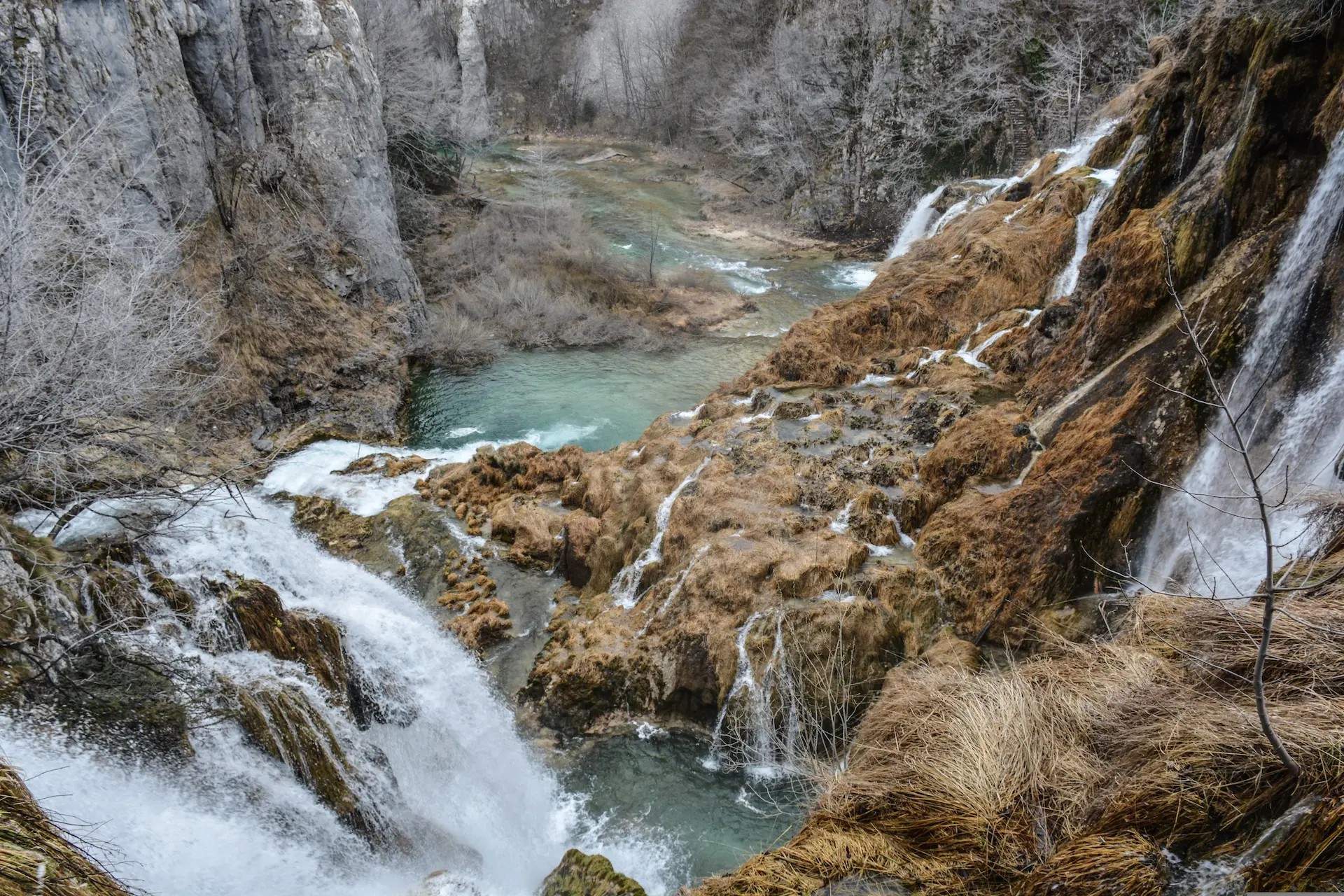
If you want to embrace the cold, head inland to Plitvice Lakes, Gorski Kotar, or Lika for snowy landscapes, go skiing near Zagreb (Sljeme) or Rijeka (Platak), or relax in the thermal spas of the Hrvatsko Zagorje region.
Planning tip: Because January is deep low season, direct international flights are mostly limited to Zagreb and Split, and island ferries run on a minimal winter schedule. Basing your trip in major mainland hubs makes getting around much easier without a rental car.
February in Croatia: Carnival Season and Traditional Festivities
February brings a lively, playful energy to Croatia as towns and cities celebrate carnival season (Maškare) with colourful parades, elaborate costumes, and centuries-old customs. The biggest event is the Rijeka Carnival, one of Europe's largest street carnivals, known for its massive international parade and parties. Across the surrounding Kvarner region, you can also witness the Zvončari (traditional bell-ringers), whose sheepskin costumes and loud bells are recognised by UNESCO as intangible cultural heritage.
Inland destinations have their own festive traditions, led by the Samobor Carnival near Zagreb, famous for its satirical humour, masked parades, and sweet treats like carnival doughnuts (krafne) and local kremšnite custard slices. Because carnival dates shift each year depending on Easter, be sure to check local schedules before booking.
Early February is also marked by the Feast of Saint Blaise (Festa sv. Vlaha) in Dubrovnik (held annually on February 3), another UNESCO-listed tradition featuring historic processions, folk costumes, and ceremonial banner-waving along the Stradun.
By late in the month, Croatia weather in February brings noticeably longer days and the first signs of spring-such as blooming almond and mimosa trees along the southern coast-making it an uplifting time for a quiet city break before the spring crowds arrive.
What Is Open in Croatia During Winter?
While coastal resorts wind down, major hubs like Zagreb, Split, Dubrovnik, and Zadar stay lively year-round, with open museums, galleries, cafés, restaurants, and historic sites. National parks such as Plitvice Lakes and Krka also remain open all winter—often with significantly lower entry fees-though certain trails and boat transfers depend on weather conditions.
In smaller coastal towns and on the islands, most seasonal hotels, beach bars, and boat tours close until spring, leaving only a few local cafés and taverns open for residents.
Good to know before you go:
Sunday shopping: By Croatian law, most supermarkets and shopping centres are closed on Sundays (with a few exceptions in December), so plan grocery shopping for Saturday.
Public holidays: Expect widespread closures on Christmas Day (December 25), St. Stephen's Day (December 26), New Year's Day (January 1), and Epiphany (January 6).
Winter hours: Even in larger cities, many museums and restaurants operate on shorter winter hours, so always check schedules before visiting.
Getting Around Croatia in Winter: Ferries, Buses, and Driving
Travelling around Croatia in winter requires a bit more planning, especially if you plan to visit the islands. Year-round ferries operated by Jadrolinija continue running on a reduced winter timetable-most inhabited islands keep daily car-ferry connections, while seasonal catamarans pause until spring. Always check schedules in advance, as rough seas and strong Bura winds can cause sudden delays or cancellations.
On the mainland, intercity buses reliably connect major cities like Zagreb, Split, Rijeka, Zadar, and Dubrovnik, though smaller coastal towns have fewer daily routes.
Renting a car is the easiest way to reach national parks and inland regions. Just note that winter tyres are legally required from November 15 to April 15 on designated winter roads (such as through Gorski Kotar and Lika), though all standard Croatian rental cars come properly equipped.
Luxury Villas for a Winter Getaway in Croatia
If you are looking for private wellness, snow-covered landscapes, and cosy evenings by the fire, booking a luxury villa in inland Croatia is an ideal way to experience the off-season:
Villa Bellis: Set in the heart of Gorski Kotar, this alpine retreat for up to eight guests features a fireplace, underfloor heating, a private sauna, and a jacuzzi-perfect for a quiet winter escape.
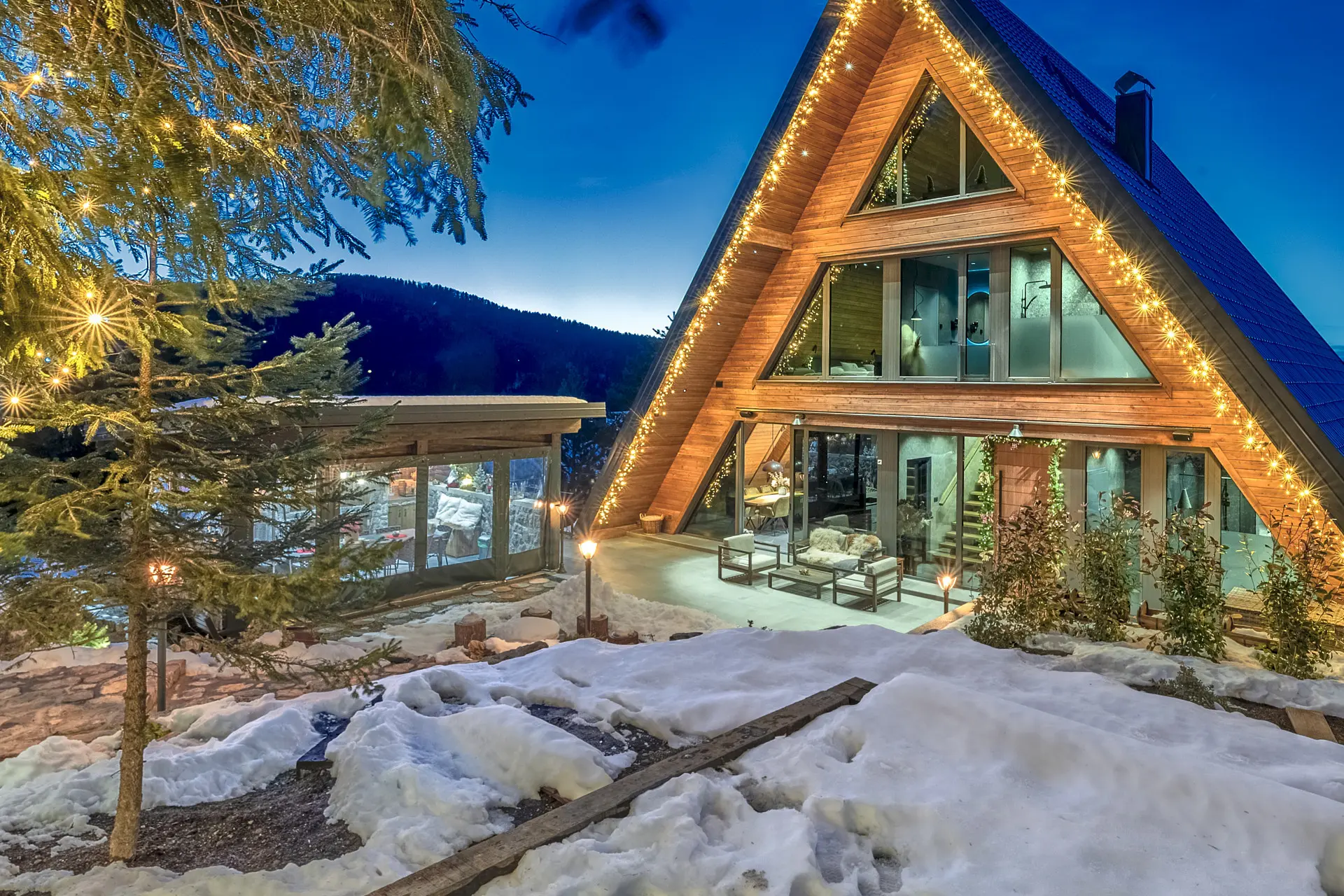
Villa Forest Hill: A standout mountain retreat in Gorski Kotar, featuring an indoor heated pool, sauna, jacuzzi, and entertainment facilities ideal for families or groups of friends.
Villa Alfa : Surrounded by the serene landscapes of Lika near Velebit Nature Park, this villa offers a private heated indoor saltwater pool, sauna, jacuzzi, and cosy fireplace.
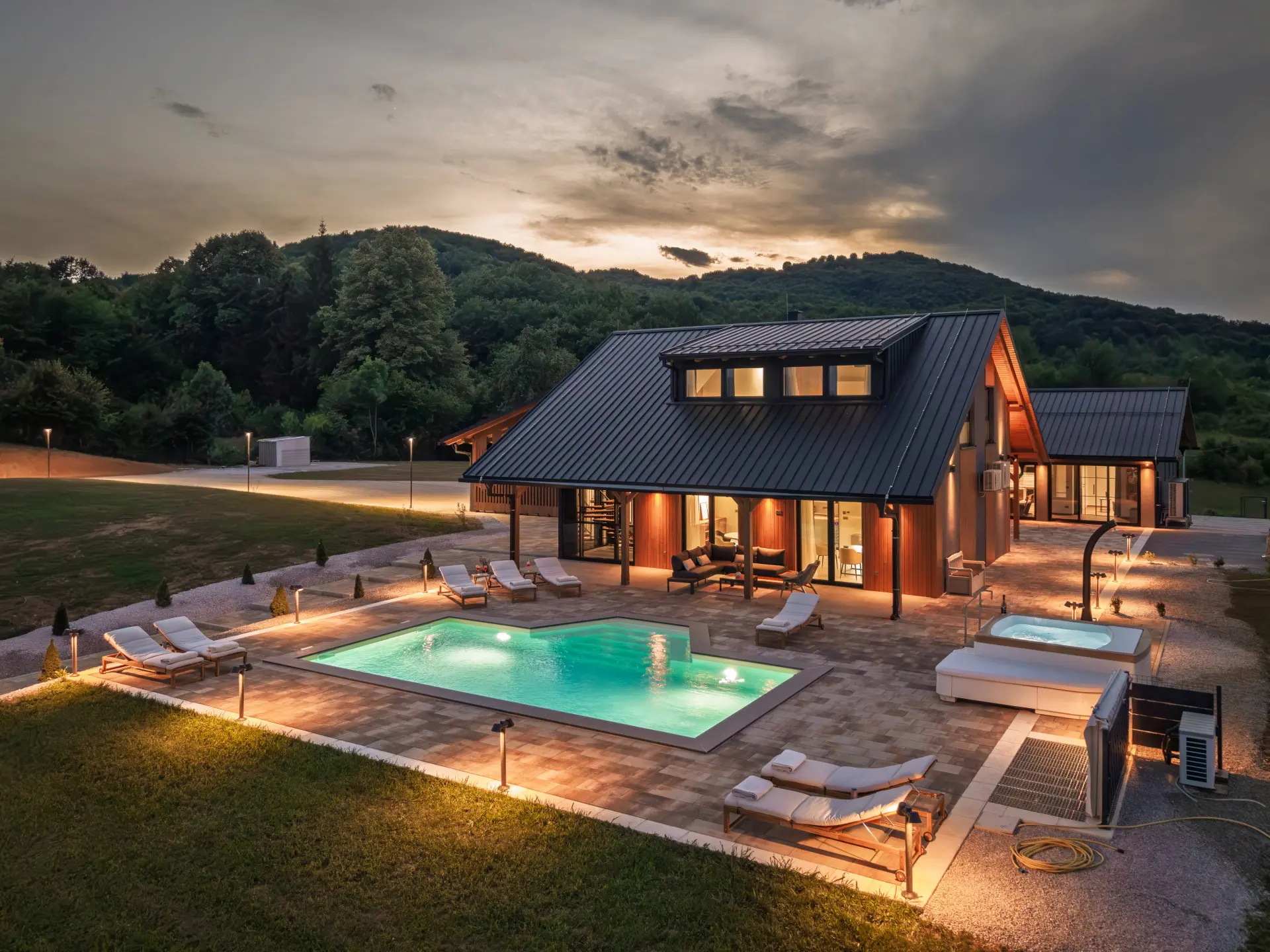
Villa Josephine: Located close to Plitvice Lakes National Park, this spacious villa accommodates up to ten guests and includes a heated pool, sauna, two jacuzzis, and a fireplace.
FAQ: Visiting Croatia in Winter
Is Croatia worth visiting in winter?
Yes, Croatia is worth visiting in winter if you prefer fewer tourists, lower accommodation prices, and a slower pace of travel. Major cities remain lively, Christmas markets bring a festive atmosphere in December, and February offers traditional carnival celebrations. It is also a great time to explore historic towns and national parks without the summer crowds.
What is the weather like in Croatia during winter?
Winter weather in Croatia depends on the region. The Adriatic coast generally has milder temperatures, although rain and strong winds are common. Inland areas experience colder conditions, with frost and occasional snowfall, while mountain regions have the coldest weather and the most snow.
Does it snow in Croatia?
Yes, it snows in Croatia, primarily between late December and February, particularly in inland and mountainous areas such as Lika and Gorski Kotar. Zagreb and other inland cities can also experience occasional snowfall during winter, while snow is rare along the Dalmatian coast and on the islands.
Which is the coldest month in Croatia?
January is generally the coldest month in Croatia. Inland and mountain regions experience freezing temperatures and occasional heavy snowfall, while coastal destinations usually have milder winter conditions.
What is the weather in Croatia in December like? Is it warm?
Not warm in a summer sense, though the Croatian coast is relatively mild in December, with daytime temperatures around 8–12°C (46–54°F). However, rain and coastal winds can make it feel colder. Inland Croatia is much colder, with temperatures often close to freezing.
Are restaurants and attractions open in Croatia during winter?
Many restaurants, cafés, museums, and attractions in larger cities such as Zagreb, Split, and Dubrovnik remain open throughout the year. However, seasonal businesses in smaller coastal towns and on the islands often close or operate with reduced opening hours.
Do ferries run to Croatian islands in winter?
Yes, car-ferry services generally operate throughout the year, but winter timetables have fewer departures than summer schedules. Most seasonal catamaran routes pause until spring, and bad weather can occasionally cause delays or cancellations. Always check the latest timetable before travelling.
Where are the best places to visit in Croatia in winter?
Zagreb is a great choice for Christmas markets, museums, and city breaks. Dubrovnik, Split, and Zadar offer quieter coastal sightseeing, while Plitvice Lakes, Gorski Kotar, and Lika are ideal for winter scenery and snow. Rijeka and Samobor are particularly interesting during the February carnival season.
What can you do in Croatia in February?
February is carnival season in Croatia. Visitors can experience the famous Rijeka Carnival, traditional Zvončari bell-ringer processions in the Kvarner region, and Samobor Carnival, as well as the Feast of Saint Blaise in Dubrovnik. It is also a great month for sightseeing, winter walks, and exploring Croatian cities outside the peak tourist season.
What should I pack for a winter trip to Croatia?
Pack warm layers, a waterproof jacket, and comfortable shoes. If you are visiting the coast, bring a windproof jacket, as the Bura wind can make temperatures feel much colder. For inland and mountain destinations, pack warmer clothing, thermal layers, and sturdy footwear suitable for snow and icy conditions.