
There are Croatian islands made for lively summer nights, busy promenades and packed beach clubs. And then there is Mljet.
Covered in dense pine forests, surrounded by remarkably clear Adriatic waters and home to one of Croatia’s most distinctive national parks, Mljet Island feels deliberately removed from the busier side of the Croatian coast. Days here unfold around quiet coves, forest paths, swimming and boat rides rather than crowds and schedules.
For travellers searching for privacy, nature and the slower rhythm of Mediterranean life, Mljet Croatia offers something increasingly rare: the feeling of having discovered a corner of the Adriatic that still belongs primarily to nature.
Much like Vis, Mljet is particularly appealing to travellers who consider peace and privacy a form of luxury.
Why Visit Mljet Island?
Mljet is often described as Croatia’s greenest island, and the description makes sense almost immediately after arrival. It is also Croatia’s most forested island, with Mediterranean vegetation covering much of its landscape. Approximately one-third of the island belongs to Mljet National Park, established in 1960.
Unlike some of Croatia’s better-known island destinations, Mljet has never built its identity around nightlife or large resorts. Its appeal lies elsewhere: pine forests reaching towards the sea, tiny settlements, secluded bays and long stretches of landscape where very little interrupts the silence.
This makes Mljet Island an excellent choice for couples, families and groups looking for a more private Croatian escape.
Spend the morning swimming, explore the national park in the afternoon, stop for a long Mediterranean lunch and return to the sea before sunset. There is little pressure to do everything.
That simplicity is precisely the point.
Mljet National Park: The Island’s Green Heart
Located on the western part of the island, Mljet National Park is the essential place to visit during a stay on Mljet.
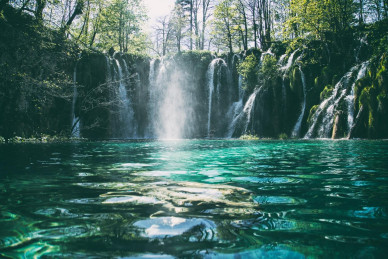
Its most famous natural features are Veliko Jezero (Great Lake) and Malo Jezero (Small Lake). Although commonly called lakes, they are connected with the sea, creating a remarkable landscape of calm saltwater surrounded by thick forest.
Walking and cycling trails run around the lakes and through the surrounding woodland, making it easy to spend an entire day exploring without ever feeling rushed.
You can walk beneath Aleppo pines, cycle along the water or simply find a quiet place to swim.
It is the kind of national park where experiencing the landscape slowly is far more rewarding than trying to tick attractions off a list.
Visit St. Mary’s Island and Its Benedictine Monastery
In the middle of Veliko Jezero sits one of the most memorable sights on Mljet: the tiny island of St. Mary (Sveta Marija).
The island is home to a historic church and Benedictine monastery dating from the 12th century, creating an extraordinary combination of cultural heritage and natural scenery.
Reaching the island by boat is part of the experience. Surrounded by the still waters of the lake and dense green forest beyond, the monastery seems almost completely isolated from the outside world.
Allow yourself time to explore rather than treating it as a quick sightseeing stop. The beauty of Sveta Marija lies as much in its atmosphere as in its architecture.
Discover the Best Mljet Beaches and Hidden Coves
Although the national park receives much of the attention, some of the most beautiful Mljet beaches are found elsewhere on the island.
The southeastern coast is particularly attractive for travellers looking for clear water, sandy bays and fewer visitors.
Saplunara Beach
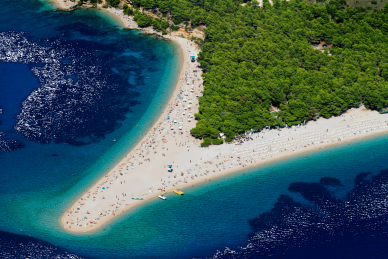
Saplunara Beach, on the southeastern end of Mljet, is one of the island’s best-known places for swimming. Surrounded by Mediterranean vegetation and far removed from the busier tourist centres of the Adriatic, the Saplunara area perfectly represents the quieter side of Mljet.
Its sheltered bays and relaxed atmosphere make it worth spending more than just an hour here.
Instead of planning a packed beach-hopping itinerary, choose a favourite cove, bring everything you need for the afternoon and stay until the light begins to soften.
On Mljet, doing less often means experiencing more.
Sutmiholjska Bay
On Mljet’s southern coast, Sutmiholjska offers a completely different setting. This small, deep bay has a pebble beach facing the open Adriatic, framed by rocky slopes and untouched Mediterranean scenery.
The crystal-clear water makes it an excellent swimming stop, while the surrounding natural rock platforms are perfect for spending a long summer afternoon beside the sea.
Because it sits away from the island’s main tourist areas, Sutmiholjska retains the quiet, secluded character that defines so much of Mljet.
Prožurska Luka
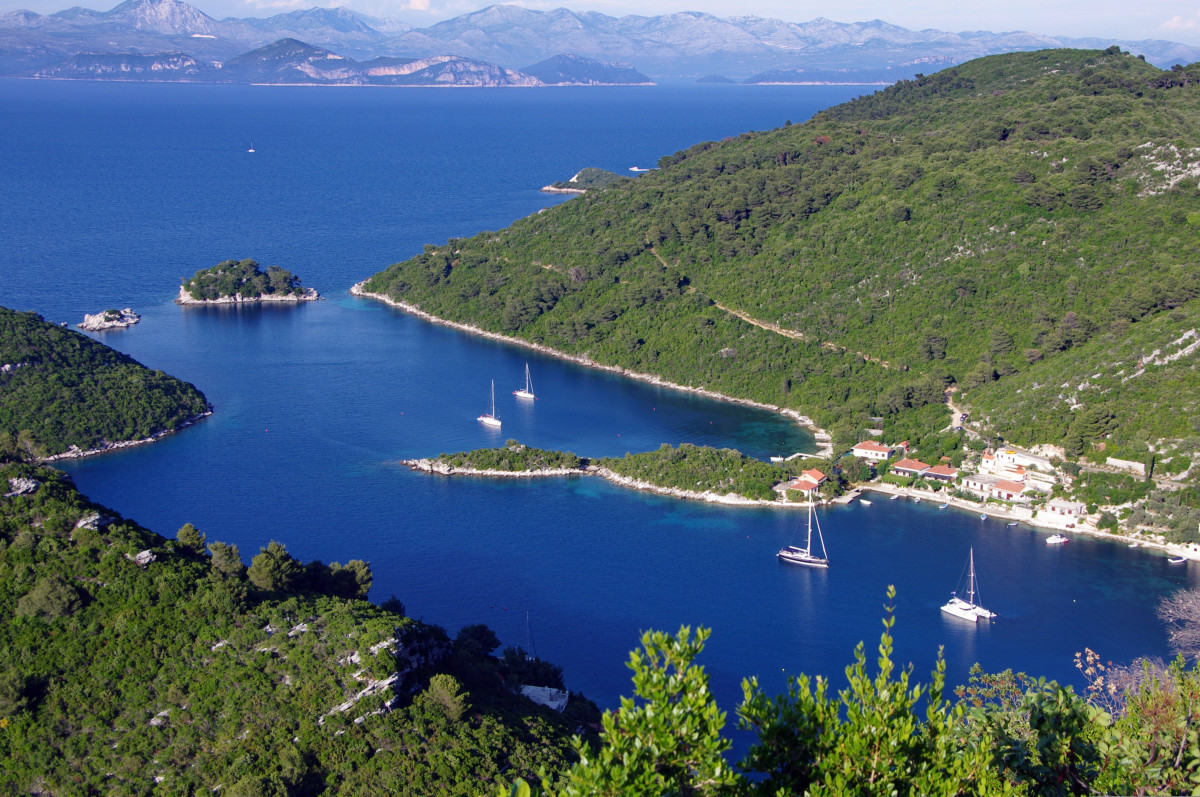
On the northern side of Mljet Island, Prožurska Luka is a picturesque bay protected from the open sea.
Rather than a classic beach destination, this is somewhere to experience the slower rhythm of island life: small boats resting in clear water, traditional stone houses scattered around the bay and peaceful swimming spots along the shoreline.
It is particularly beautiful in the early morning or towards sunset, when the bay becomes even quieter.
Okuklje Bay
Okuklje is another sheltered bay on Mljet’s northern coast and one of the island’s charming stops for travellers exploring by car or boat.
Surrounded by green hills, the bay combines calm Adriatic water with a small coastal settlement and naturally protected anchorage. Find a quiet swimming spot along the shore, enjoy a leisurely lunch and stay longer than planned — exactly the kind of unhurried day Mljet encourages.
Garma and the Island’s Lesser-Known Coves
For those willing to explore beyond the familiar names, Mljet reveals an even more secluded side. Garma and numerous smaller coves scattered along the coastline offer rocky and pebble swimming spots where the surrounding landscape often feels almost untouched.
Several of these places are particularly appealing when approached by boat, opening up stretches of coastline that most day visitors never experience.
And that may be the greatest luxury of discovering the beaches and coves of Mljet.
There is no need to search for a fashionable beach club or reserve a sunbed weeks in advance. Instead, pack a towel, choose a road towards the sea — or explore the coast by boat — and find your own corner of the Adriatic.
On an island defined by forests, silence and clear water, the best beach may simply be the one you have almost entirely to yourself.
Things to Do in Mljet
Wondering about the best things to do in Mljet? Nature sets the itinerary.
Explore Veliko and Malo Jezero on foot or by bicycle, take a boat to St. Mary’s Island, swim in secluded coves and spend an afternoon around Saplunara. Kayaking is another excellent way to experience the national park and the island’s coastline from a different perspective.
Hikers can explore a much larger part of the island. The Mljet hiking trail stretches for approximately 43 kilometres across the island, while the national park itself has marked walking routes through the forest and around its lakes.
Polače is also worth visiting. The sheltered settlement contains significant remains from the Roman period and provides an atmospheric place to stop for a meal after exploring the national park.
But leave space in your itinerary for absolutely nothing.
One of Mljet’s greatest pleasures is finding a quiet bay and realising there is nowhere else you need to be.
Mljet for Travellers Seeking Privacy
Croatia has become one of Europe’s most desirable Mediterranean destinations, and islands such as Hvar can become exceptionally lively during the summer.
Mljet offers a different interpretation of an Adriatic holiday.
Here, luxury is not necessarily about being surrounded by restaurants, boutiques and nightlife. It can mean waking up without hearing traffic, swimming before breakfast, spending an afternoon beneath pine trees and returning to a private villa where the only decision left to make is whether to have dinner inside or beside the pool.
In that respect, Mljet shares some of the qualities that make Vis so attractive to discerning travellers.
Both islands reward those willing to travel a little further in exchange for space, authenticity, peace and privacy.
If your idea of a Croatian holiday involves slowing down rather than keeping up, Mljet deserves a place near the top of your list.
How to Get to Mljet
One of the most common questions for first-time visitors is how to get to Mljet, since the island does not have an airport.
For international travellers, Dubrovnik is usually the most convenient gateway.
Dubrovnik to Mljet
Travelling from Dubrovnik to Mljet by passenger catamaran is one of the easiest options. TP Line operates a route connecting Dubrovnik with Sobra and, on selected services, Polače. Sobra functions as an important transport hub on the island, while Polače provides particularly convenient access to the western side and Mljet National Park.
The journey from Dubrovnik to Sobra takes approximately one hour, while reaching Polače takes roughly 20 minutes longer on services that call there.
Seasonal connections and schedules can change, so it is important to check current ferry and catamaran timetables before travelling. Weather can occasionally affect the arrival port as well; for example, some 2026 services were redirected from Pomena to Sobra because of strong winds.
Once on Mljet, local buses and taxis connect several of the island’s settlements. Renting a car can be useful if you want the freedom to combine the national park with Saplunara and more remote beaches during the same stay.
Experience the Quieter Side of Croatia with My Luxoria
The best Croatian holidays are not always about being at the centre of everything. Sometimes, the greatest luxury is having enough space to escape it.
From the green landscapes of Mljet Island to secluded coastal retreats elsewhere along the Adriatic, Croatia offers countless opportunities to experience the Mediterranean in complete comfort and privacy.
Explore My Luxoria’s collection of luxury villas in Croatia and find a private base for your next Adriatic escape — with beautiful locations, exceptional surroundings and the freedom to experience Croatia entirely at your own pace.
FAQ
Is Mljet worth visiting?
Yes. Mljet is worth visiting if you are looking for nature, beautiful swimming spots and a quieter alternative to Croatia’s busier islands. The combination of Mljet National Park, saltwater lakes, pine forests, historic sites and secluded coves makes it particularly appealing for couples, families and travellers who prefer relaxed island experiences over nightlife.
How many days do you need in Mljet?
Two to three days is a good amount of time for a first visit. This gives you enough time to explore Mljet National Park, visit St. Mary’s Island, swim in the lakes and discover beaches and coves such as Saplunara, Blace or Sutmiholjska. Staying longer is worthwhile if you want to explore the island at a slower pace.
How do you get to Mljet?
If you are wondering how to get to Mljet, the island is accessible by ferry and passenger catamaran from the Croatian mainland and nearby islands. Dubrovnik is one of the most convenient starting points, with seasonal passenger connections to Mljet. As schedules vary throughout the year, always check current ferry timetables before travelling.
How long does it take to travel from Dubrovnik to Mljet?
The Dubrovnik to Mljet journey typically takes around one to one and a half hours by passenger catamaran, depending on the service and arrival port. Sobra is one of the island’s main ferry ports, while some seasonal connections serve locations closer to Mljet National Park.
What are the best things to do in Mljet?
Some of the best things to do in Mljet include exploring Veliko and Malo Jezero in Mljet National Park, taking a boat to St. Mary’s Island and its Benedictine monastery, cycling or walking around the lakes, kayaking, swimming and discovering the island’s beaches and hidden coves.
What are the best beaches in Mljet?
Among the best-known Mljet beaches are Saplunara Beach, Blace Bay and Sutmiholjska Bay. Saplunara is particularly popular for its sandy shoreline and surrounding pine forest, while Blace offers a more secluded, lagoon-like setting. Smaller bays such as Okuklje and Prožurska Luka are also worth exploring for swimming and peaceful coastal scenery.
Can you visit Mljet without a car?
Yes, particularly if your main goal is visiting Mljet National Park. However, having a car gives you considerably more freedom to explore different parts of Mljet Island, especially Saplunara, Blace and smaller villages and coves away from the national park.
What is the best time to visit Mljet?
Late spring and early autumn are excellent times to visit Mljet Croatia, with warm weather and generally fewer visitors than during the peak summer months. July and August offer classic Adriatic summer conditions, while May, June, September and early October can be especially attractive for hiking, cycling and exploring the island.