
Staying in a private villa gives you the freedom to experience Croatia at your own pace. But depending on where your villa is located and how you plan to spend your holiday, one practical question often comes up before arrival: Do you need a car in Croatia?
For guests staying in coastal villas, especially properties outside major town centres, renting a car can make everyday travel considerably easier. It also opens the door to secluded beaches, small villages, local restaurants and spontaneous day trips that would otherwise require transfers or careful planning.
At the same time, a rental car is not essential for every Croatian holiday. If your villa is within walking distance of restaurants, beaches and shops, or if you plan to spend most of your stay relaxing at the property, private transfers and occasional taxis may be more convenient.
Here is what villa guests should know before renting a car in Croatia.
Do You Need a Car in Croatia?
The answer depends primarily on your villa's location and what you want to do during your stay.
A car is particularly useful if you are staying in a quieter coastal area, on the outskirts of a town or somewhere with limited public transport. It gives you the flexibility to shop for groceries, visit different beaches and explore neighbouring towns without arranging transportation each time.
For guests planning several excursions, having your own vehicle can also be more practical than booking individual transfers.
However, getting around Croatia without a car is certainly possible. In destinations such as Split, walking, taxis, buses and private transfers can often cover everything you need. Passenger ferries also connect many islands with coastal cities, making car-free island excursions possible.
Before booking a rental, consider three things: where your villa is located, how often you expect to leave it and whether you plan to explore beyond the immediate area.
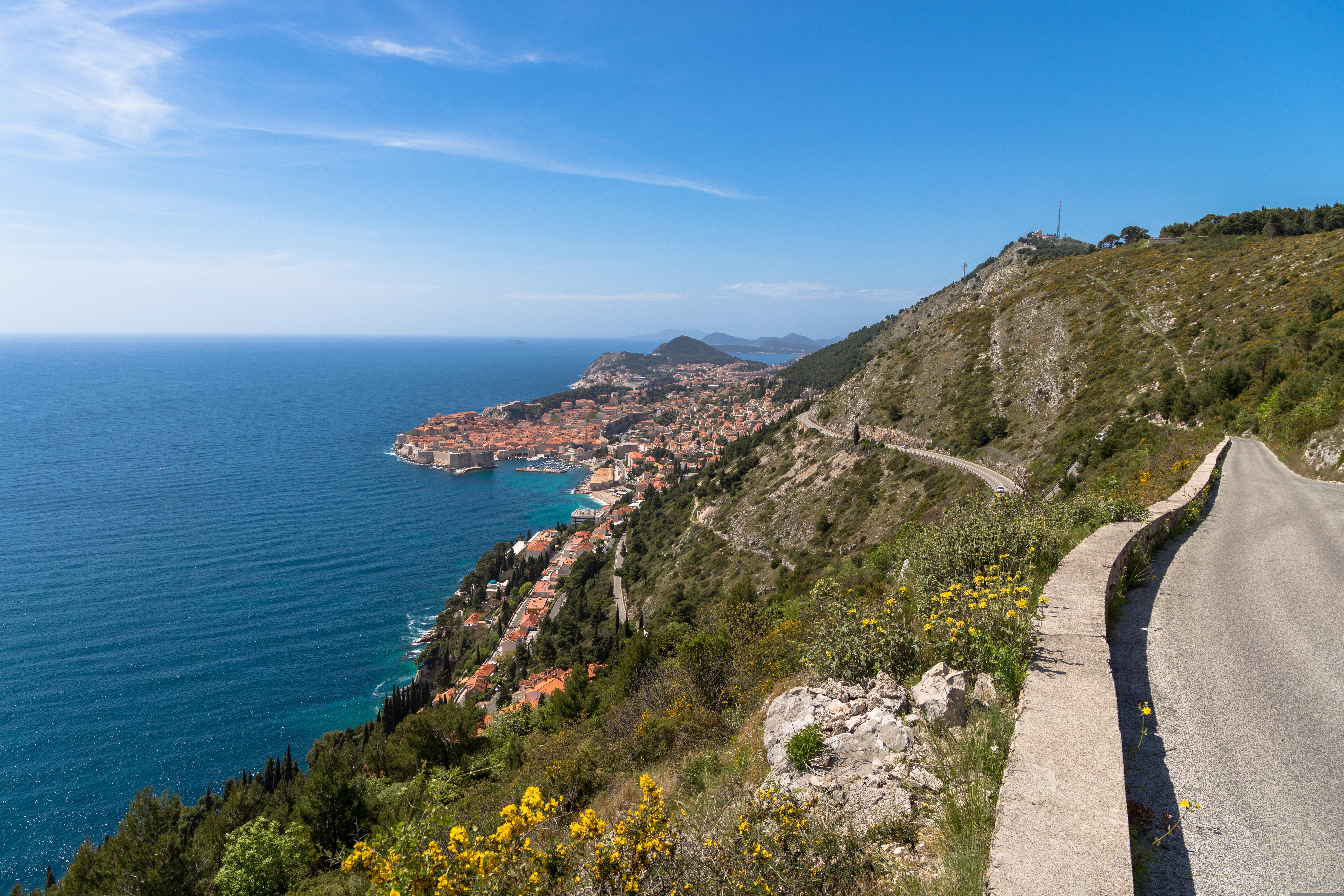
Renting at the Airport vs. Renting Locally
One of the first decisions is whether to collect your rental car at the airport or arrange one after arriving at your villa.
Airport car rental
Croatia's main airports offer a wide choice of international and local rental companies. At Split Airport, for example, you will find well-known providers such as SIXT, Hertz, Avis, Budget, Enterprise, Europcar, Alamo and Carwiz, as well as several Croatian rental companies. Dubrovnik and Zagreb airports also have multiple rental providers, making it easy to compare vehicle categories and rental conditions before your trip.
During July and August, demand can be particularly high. Booking in advance is recommended, especially if you need an automatic transmission, a larger vehicle, child seats or a specific car category.
Before confirming your reservation, compare more than the headline daily rate. Insurance coverage, security deposits, additional driver fees, fuel policies, mileage limits and cross-border conditions can make a significant difference to the final cost.
Local car rental
Renting locally can make more sense if you only need a vehicle for part of your stay.
For example, you may prefer to arrange a private airport transfer, spend your first few days relaxing at the villa and rent a car later for day trips. This can save you from paying for a vehicle that remains parked for much of the holiday.
When comparing options, look beyond the daily rental rate. Check insurance coverage, deposit requirements, mileage policies, additional driver fees and the company's fuel policy before confirming your reservation.
Is it easy to drive in Croatia?
For most international visitors, driving in Croatia is relatively straightforward.
Roads are generally well maintained, signage is clear, and the motorway network makes travelling between different regions convenient. If you are accustomed to driving elsewhere in continental Europe, the experience should feel familiar.
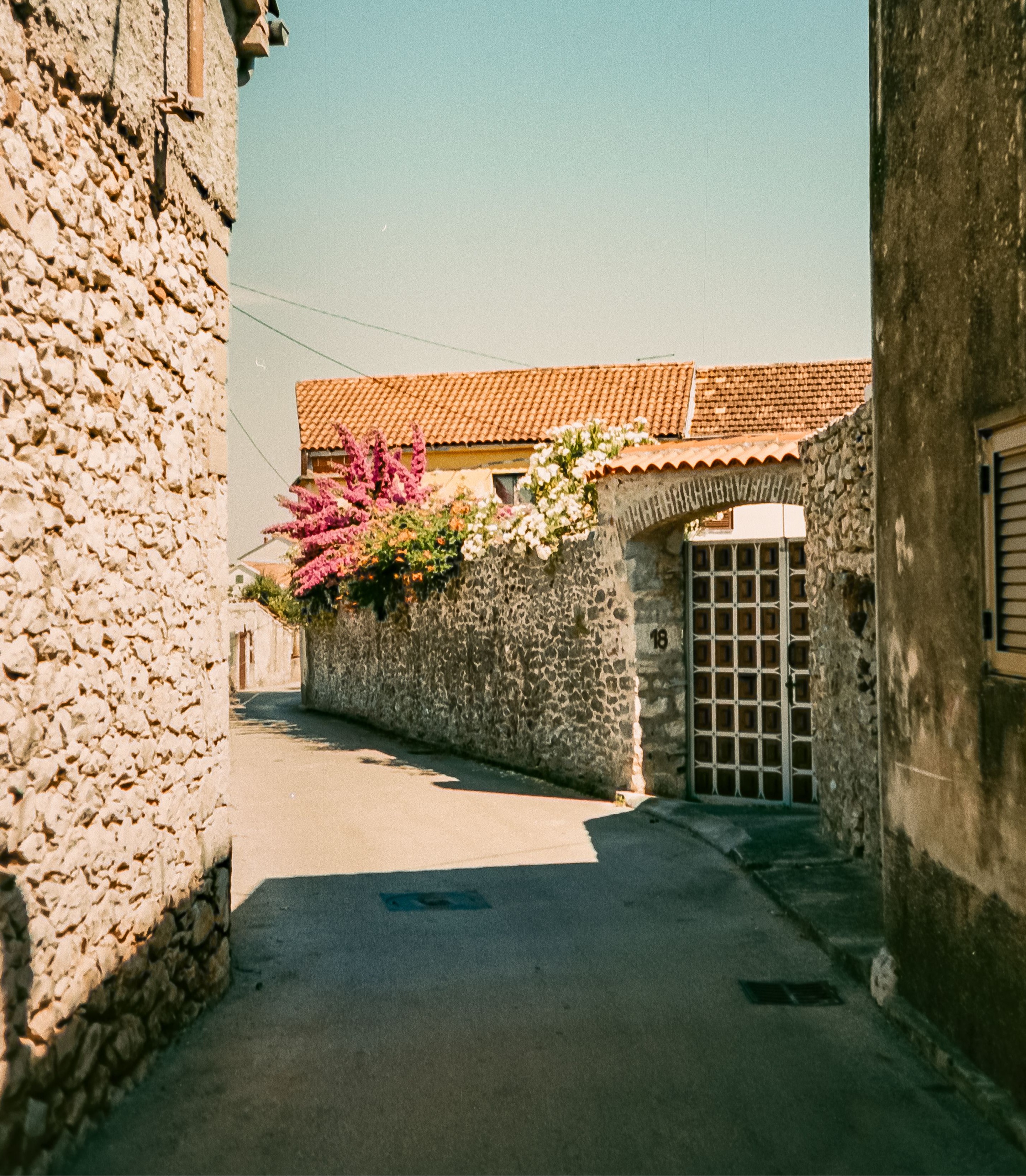
The biggest adjustment for many visitors is driving on smaller coastal and island roads.
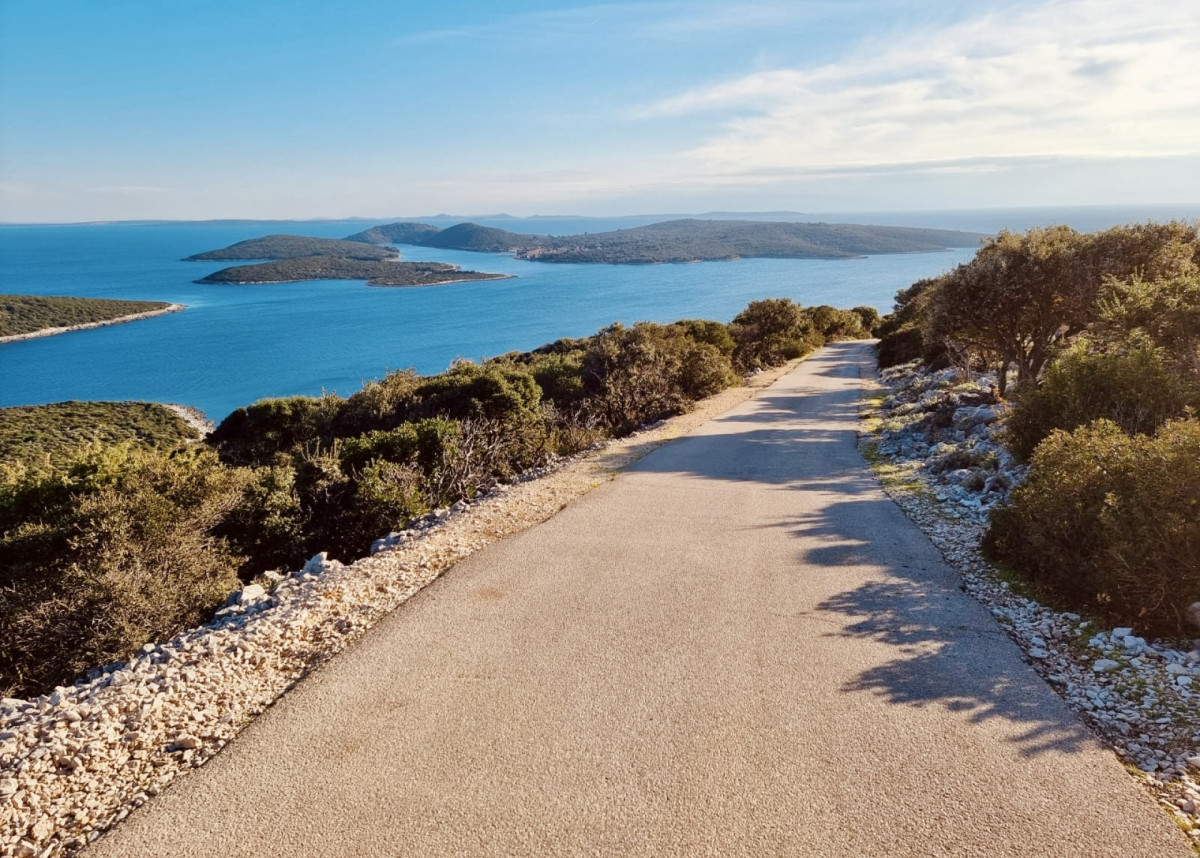
These roads can be narrow, winding and occasionally steep. In historic villages, you may also encounter streets designed long before modern cars existed. Take your time, avoid rushing around blind corners and be prepared to give way when there is not enough room for two vehicles to pass comfortably.
Choosing a compact car can therefore be surprisingly useful, particularly if your villa is accessed by a narrow local road.
Croatia speed limits
Visitors should always follow posted signs, as limits can vary according to road and location.
As a general guide, Croatia's speed limits are typically:
- 50 km/h in built-up areas
- 90 km/h outside built-up areas
- 110 km/h on expressways
- 130 km/h on motorways
Posted limits always take priority, and lower limits are common near intersections, settlements and sections of road where additional caution is required.
On scenic coastal roads, driving below the maximum limit can often be the sensible choice. Sharp bends, cyclists and unfamiliar junctions can make these routes slower than the distance on a map might suggest.
What to know about tolls in Croatia
If your holiday includes longer journeys, you are likely to use Croatia's motorway network.
Many Croatian motorways are tolled, with charges generally depending on the route and vehicle category. Depending on the motorway section, payment systems and methods may vary, so it is worth checking the current arrangements before a longer journey.
For villa guests planning Croatia road trips, motorways are often the quickest option for covering significant distances.
The alternative can be the coastal roads. They are usually slower, but the reward is a much more scenic drive with views of the Adriatic, islands and small seaside settlements.
When planning a day trip, remember to factor tolls, fuel and parking into the overall cost rather than looking only at driving distance.

Parking in Split, Dubrovnik and historic town centres
Having a car is useful for reaching a destination, but it does not necessarily mean you should drive directly into its historic centre.
This is particularly important in Dubrovnik and Split.
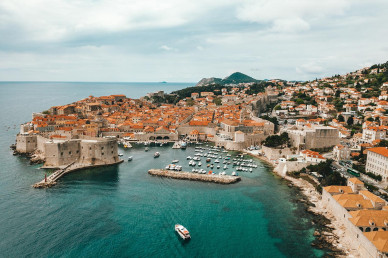
Dubrovnik's Old Town is pedestrianised, and parking close to the historic walls can be limited and expensive during the summer. If you are visiting for the day, it is often easier to park farther from the centre and continue on foot or by local transport.
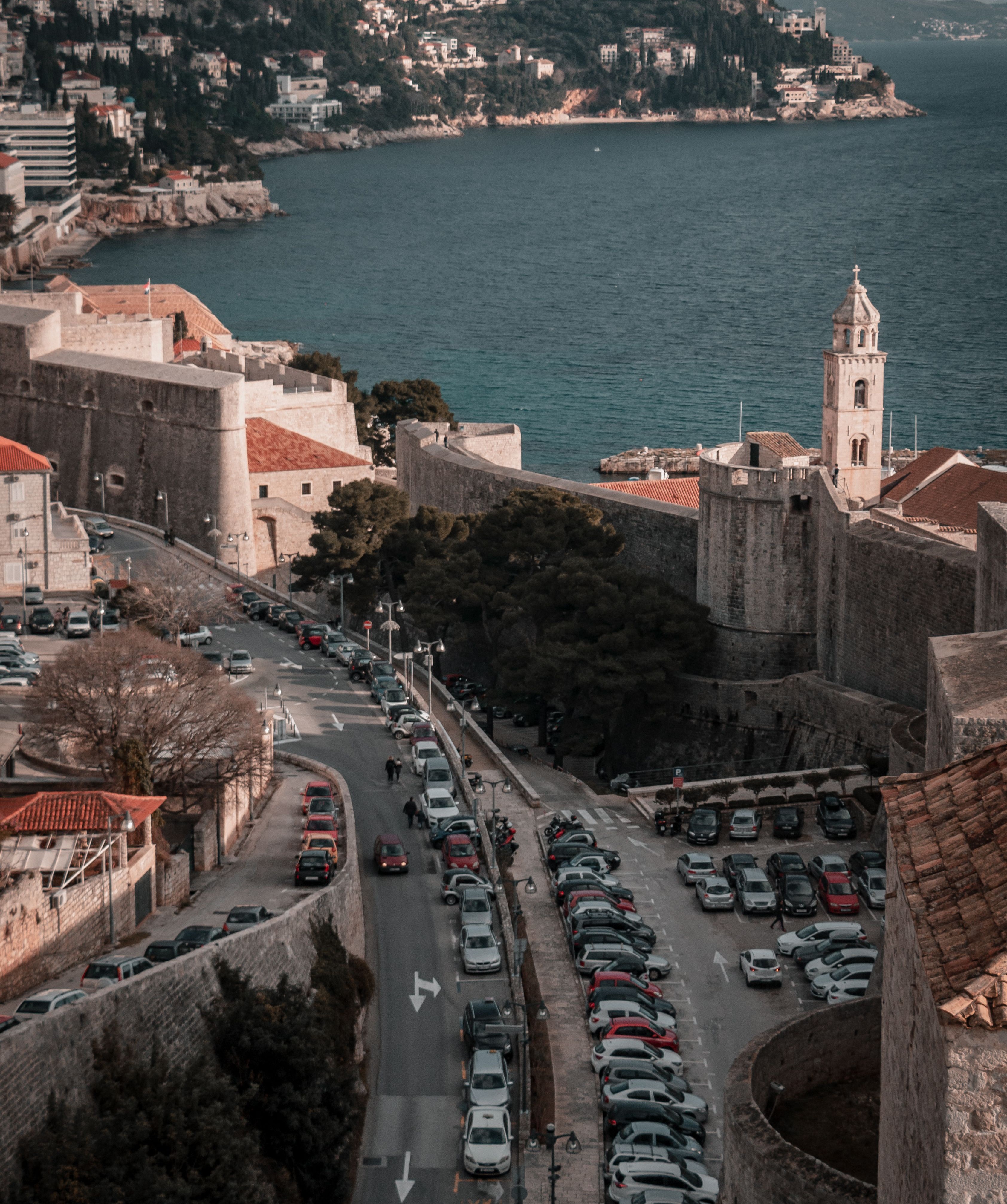
The same principle applies to central Split. Diocletian's Palace and much of the surrounding historic core are best explored on foot, while parking availability varies significantly depending on the location and time of year.
Similar conditions exist in many smaller historic towns and villages along the coast.
Before leaving your villa, check where you intend to park rather than simply entering the main attraction into your navigation app. A little preparation can save considerable time during peak season.
Tips for driving on Croatia's coastal roads
Some of Croatia's most memorable drives follow the Adriatic coastline. They can also require more attention than motorway driving.
Keep these practical points in mind:
- Allow extra time rather than relying entirely on the estimated journey time shown by your navigation app.
- Expect winding roads and frequent changes in speed limits.
- Be cautious when approaching blind bends.
- Watch for cyclists, scooters and pedestrians, particularly during summer.
- Avoid stopping in unsafe places simply to take photographs.
- Choose a smaller rental car if you expect to visit villages or properties with narrow access roads.
- Check parking options before visiting popular coastal destinations.
Most importantly, do not feel pressured by drivers who know the road better than you do. Drive at a speed that is safe for the conditions.
Planning Croatia road trips from your Villa
Having a car can transform the way you experience Croatia, giving you the freedom to discover hidden beaches, charming coastal villages, historic towns and scenic routes at your own pace. But just as important as choosing the right rental car is choosing a villa that works with the way you want to travel. From a villa near Split, for example, you can combine relaxing days by the pool with visits to Trogir, Omiš, Šibenik or Krka National Park. Guests staying farther south can use their villa as a base for exploring Dubrovnik and the surrounding coastal region.
Rather than trying to cover too much territory in one day, choose destinations within a comfortable driving distance. Croatia may look relatively small on a map, but coastal roads, summer traffic and parking can add significant time to a journey.
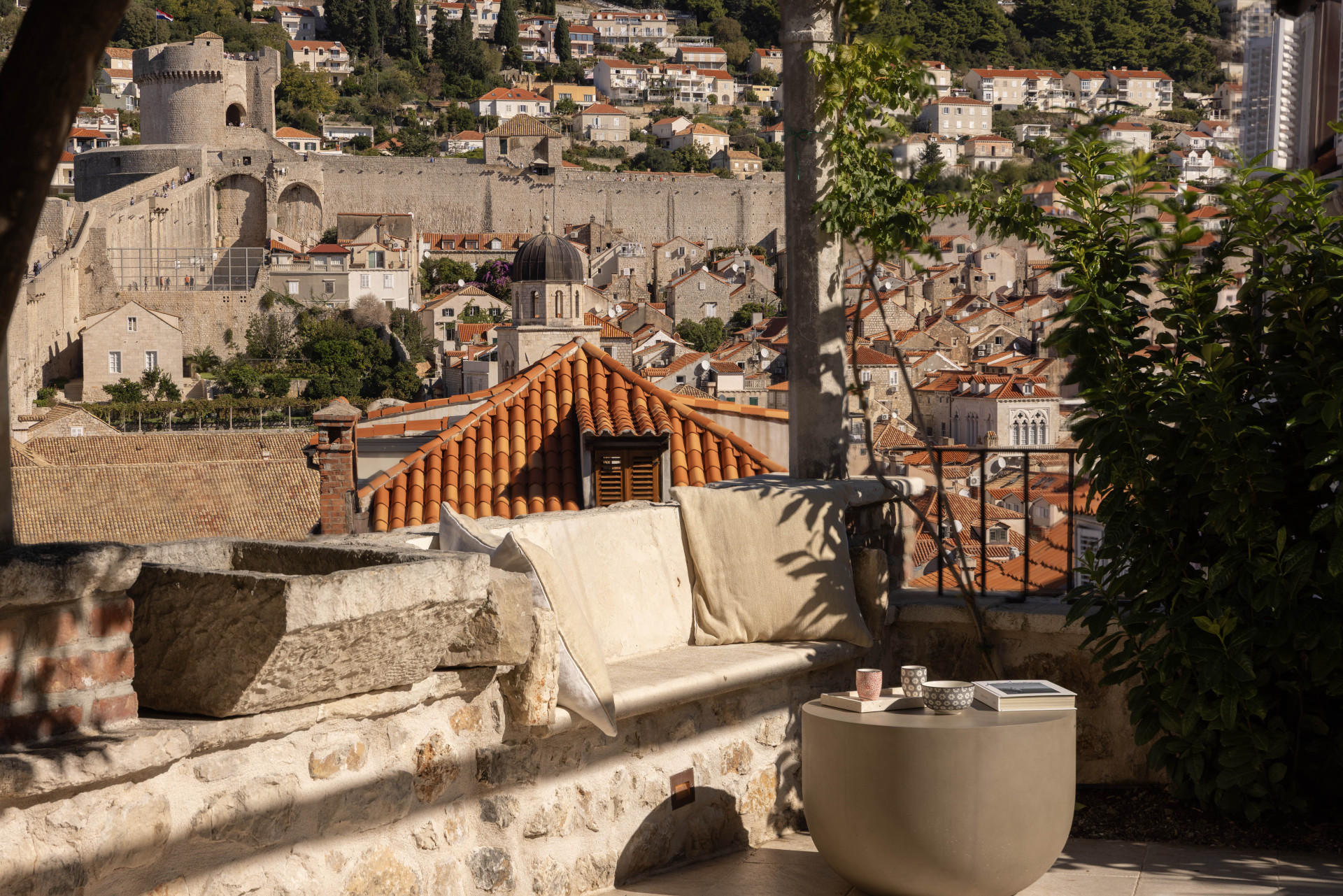
A relaxed itinerary usually makes for a much better Croatian road trip than trying to visit several distant destinations in a single day. Our collection of luxury villas in Croatia includes carefully selected properties in some of the country's most desirable coastal destinations. From contemporary villas overlooking the Adriatic to secluded properties with private pools and spacious Mediterranean gardens, there are options for both guests who want to explore and those who prefer to spend most of their holiday enjoying the villa itself.
Find your ideal stay among My Luxoria’s Luxury Villas in Croatia. With a diverse portfolio across some of the country’s most desirable destinations, there is a villa to match every kind of Croatian escape.
Frequently Asked Questions
Do you need a car in Croatia?
Not necessarily. If you are staying in the centre of Split, Dubrovnik or another well-connected destination, you can often rely on walking, taxis, buses, ferries and private transfers. A rental car becomes much more useful when your villa is outside a town centre or when you want to explore beaches, villages and attractions independently.
Is it easy to drive in Croatia?
For most visitors, yes. Croatia has a modern motorway network and generally clear road signage. Driving can become more demanding on narrow coastal roads, island routes and historic village streets, so taking your time and choosing a reasonably sized vehicle can make the experience easier.
Can you get around Croatia without a car?
Yes. Getting around Croatia without a car is particularly easy when travelling between major coastal destinations connected by buses, ferries and private transfers. However, reaching secluded beaches, rural areas and smaller villages can require more planning without your own vehicle.
What are the speed limits in Croatia?
As a general guide, speed limits in Croatia are typically 50 km/h in built-up areas, 90 km/h outside built-up areas, 110 km/h on expressways and 130 km/h on motorways. Always follow the posted road signs, as lower limits may apply depending on the location and road conditions.
Are there tolls in Croatia?
Yes. Many Croatian motorways have tolls, so guests planning longer drives should include motorway charges in their travel budget. The amount depends on the route and vehicle category, and payment arrangements can vary by motorway section.
Is it better to rent a car at the airport or locally?
Airport rental is usually more convenient if you want a car for your entire holiday. Renting locally can be a better option if you only plan to drive on a few days. Villa guests who mainly want to relax at their property may find it easier to arrange an airport transfer first and rent a vehicle only when needed.
What type of rental car is best for the Croatian coast?
A compact or medium-sized car is often the most practical choice. Coastal roads and village streets can be narrow, and smaller vehicles are easier to manoeuvre and park. Larger groups should balance this with the amount of passenger and luggage space they need.
Can I take a rental car on a ferry in Croatia?
Many rental companies allow their vehicles on Croatian ferries, but conditions vary between providers. If your itinerary includes an island, check the rental agreement before booking and confirm whether any additional permission, insurance or fee applies.
Is a rental car useful for Croatia road trips?
Absolutely. Having a car gives you much more flexibility to explore several destinations at your own pace. From the Dalmatian coast to national parks, historic towns and smaller seaside villages, road trips are one of the easiest ways to experience more of Croatia beyond the main tourist centres.