
Planning a holiday in Croatia but stuck deciding between Istria and Dalmatia? You’re not the only one. Both regions are among the best places to stay on the Croatian coast, yet they offer completely different experiences.
One feels like a blend of Tuscany and the Adriatic, while the other is all about dramatic islands, crystal-clear beaches, and vibrant Mediterranean energy. So, when travellers search for Dalmatia vs. Istria or wonder where to stay on the Croatian coast, the real answer depends on the kind of holiday you want.
In this guide to Croatia’s travel regions, we compare the west vs south Croatia experience — from beaches and gastronomy to architecture, luxury villas, and the type of travellers each region suits best.
Istria: Croatia’s Elegant Northern Peninsula
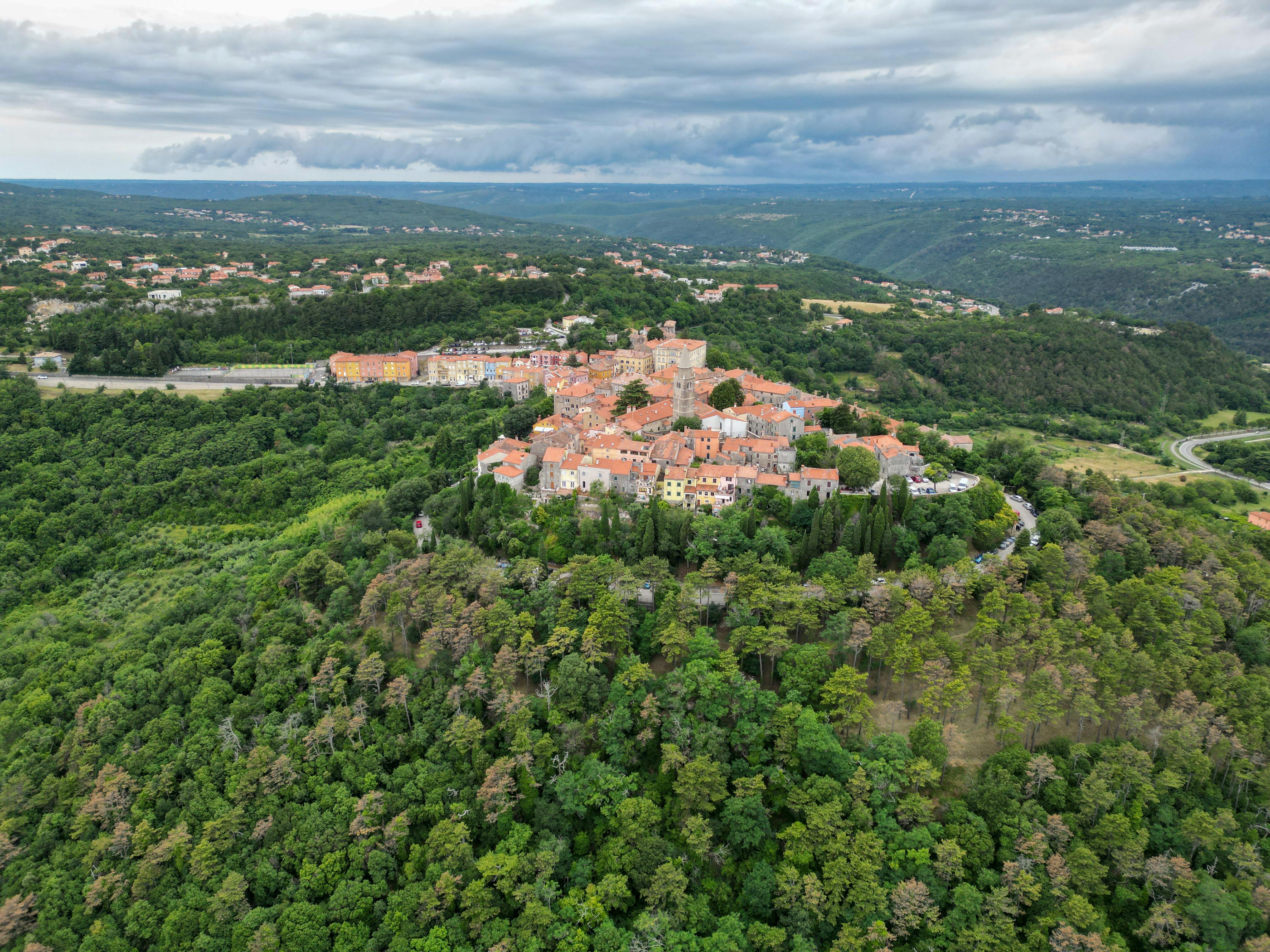
Istria is Croatia’s westernmost region, often described as the “Croatian Tuscany.” The region has a very different atmosphere compared to the rest of the Croatian coast. Rolling vineyards, olive groves, hilltop medieval towns, and refined gastronomy define the atmosphere here.
Unlike Dalmatia’s dramatic island scenery, Istria is calmer, greener, and slower-paced. Instead of busy island ferries and nightlife, Istria is about scenic drives through medieval villages, wine tastings at family-owned wineries, and long dinners on hidden terraces surrounded by nature.
What Makes Istria Special?
The vibe: relaxed sophistication
Istria attracts travellers who enjoy:
- gourmet experiences
- wine tastings
- boutique luxury
- cycling routes
- romantic escapes
- peaceful family holidays
Beaches and sea
If you imagine long sandy beaches, Istria may surprise you. The beaches in Istria are very different from those in Dalmatia. The coastline here is mostly rocky, surrounded by pine forests and hidden coves. The sea is incredibly clean and calm, often with natural stone plateaus perfect for swimming.
The beaches in Istria are very different from those in Dalmatia. Instead of long stretches of white pebbles, the coastline here is mostly rocky, surrounded by pine forests and hidden coves. The sea is incredibly clean and calm, often with natural stone plateaus perfect for swimming.
Cape Kamenjak near Premantura is one of the best examples. This protected nature park is filled with hidden coves, dramatic cliffs, and crystal-clear water ideal for snorkelling and kayaking. Rovinj’s beaches are quieter and more elegant, often located beneath pine trees with views of the old town.
Istria generally feels more peaceful and nature-oriented, making it one of the best regions in Croatia for travellers who prefer calm seaside experiences rather than busy beach scenes.
Gastronomy in Istria
Food lovers often choose Istria over Dalmatia — and once you taste the region, it becomes clear why. Often called Croatia’s gourmet capital, Istria is known for Michelin-recommended restaurants, award-winning olive oils, boutique wineries, and seasonal ingredients that shape the menu throughout the year. The region is especially famous for truffles from the Motovun forest, exceptional olive oil, fresh Adriatic seafood, 'homemade fuži' and 'pljukanci pasta', as well as local wines like Malvasia and Teran.
What makes gastronomy in Istria special is the contrast between elegant coastal dining and authentic inland konobas. A dinner in the hills of central Istria feels intimate and deeply local, while seaside restaurants in Rovinj or Novigrad focus on refined seafood dishes served with Adriatic sunset views.
For travellers seeking to experience authentic inland Istria, Konoba Mondo in Motovun is one of the region’s most beloved spots, renowned for its handmade fuži pasta with fresh truffles and rich traditional flavours. Nearby, Toklarija offers a completely different atmosphere — a rustic fine-dining konoba located inside a restored olive mill, where seasonal tasting menus celebrate local ingredients in a creative but authentic way.
Along the coast, Rovinj stands out as one of the most romantic culinary destinations in Croatia. Monte, Croatia’s first Michelin-starred restaurant, sits beneath the Church of St. Euphemia in Rovinj’s old town and delivers refined Adriatic cuisine in an elegant setting. Seafood lovers should also visit Batelina near Pula, a legendary family-run restaurant famous for its daily fresh catch and authentic, unpretentious atmosphere.
Luxury Villas in Istria
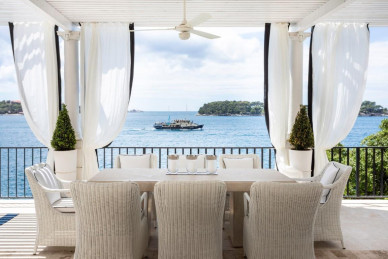
For travellers searching for the best places to stay on the Croatian coast, Istria offers some of the most refined villa experiences in the country. From peaceful countryside estates surrounded by vineyards to stylish villas near Rovinj and Poreč, the region is ideal for travellers who appreciate understated luxury and slow Mediterranean living, completed with privacy, elegance, and authentic local character.
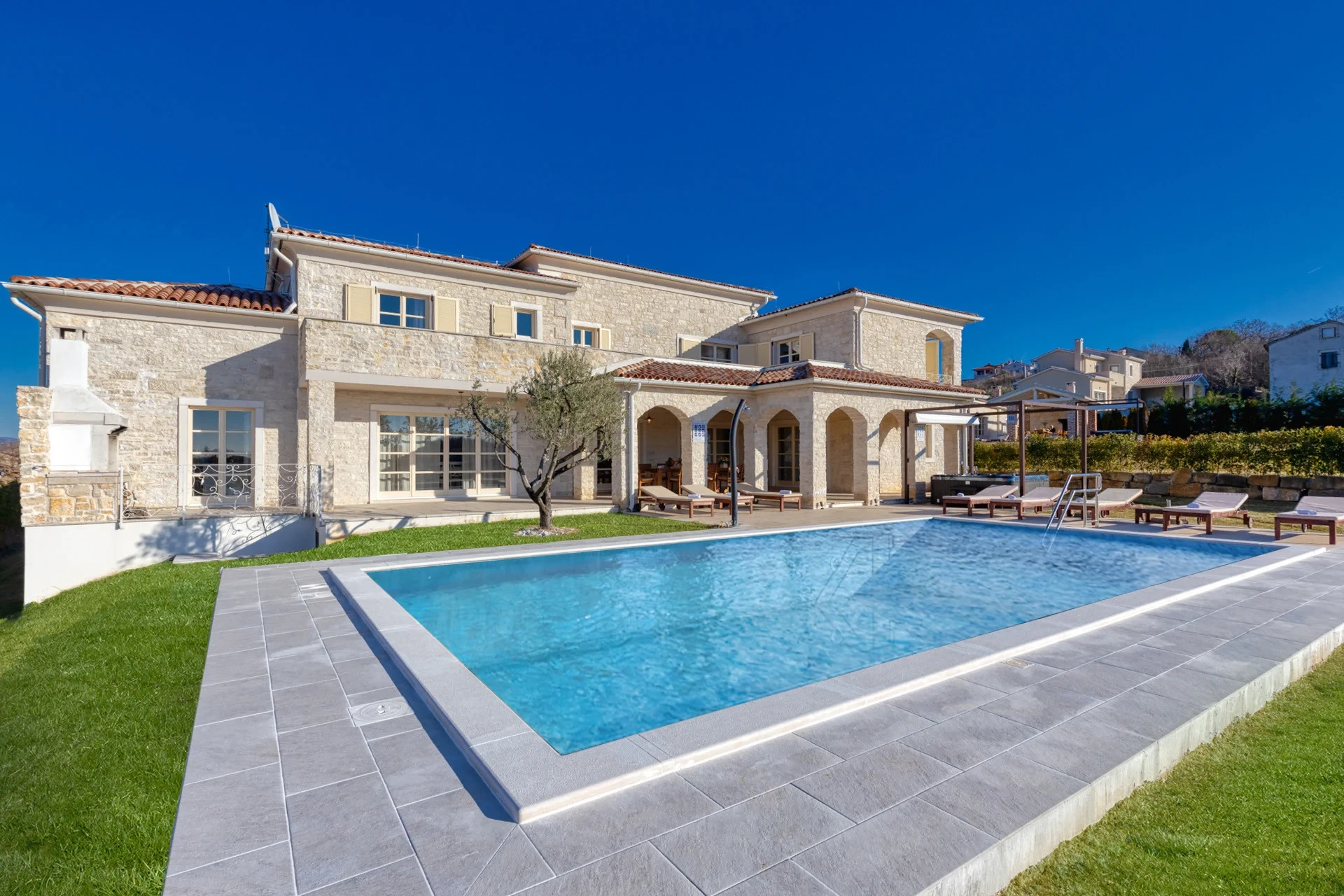
Villa L Istra offers a warm blend of contemporary comfort and authentic Istrian charm. Located in the peaceful inland part of the peninsula, it’s ideal for families and small groups who want to experience the region beyond the coastline.
The villa works beautifully as a base for exploring nearby wineries, hilltop towns like Motovun and Grožnjan, and local konobas serving homemade fuži pasta and fresh truffles. According to My Luxoria, the villa is especially popular among guests searching for privacy, comfort, and an authentic Istrian atmosphere.
Located near the charming coastal town of Novigrad, Villa Sara Istria suits travellers who want a balance between beach access and peaceful surroundings. Novigrad itself is known for its relaxed atmosphere, marina, and excellent seafood restaurants, making it one of the hidden gems of western Croatia.
Dalmatia: Croatia’s Iconic Adriatic Coast
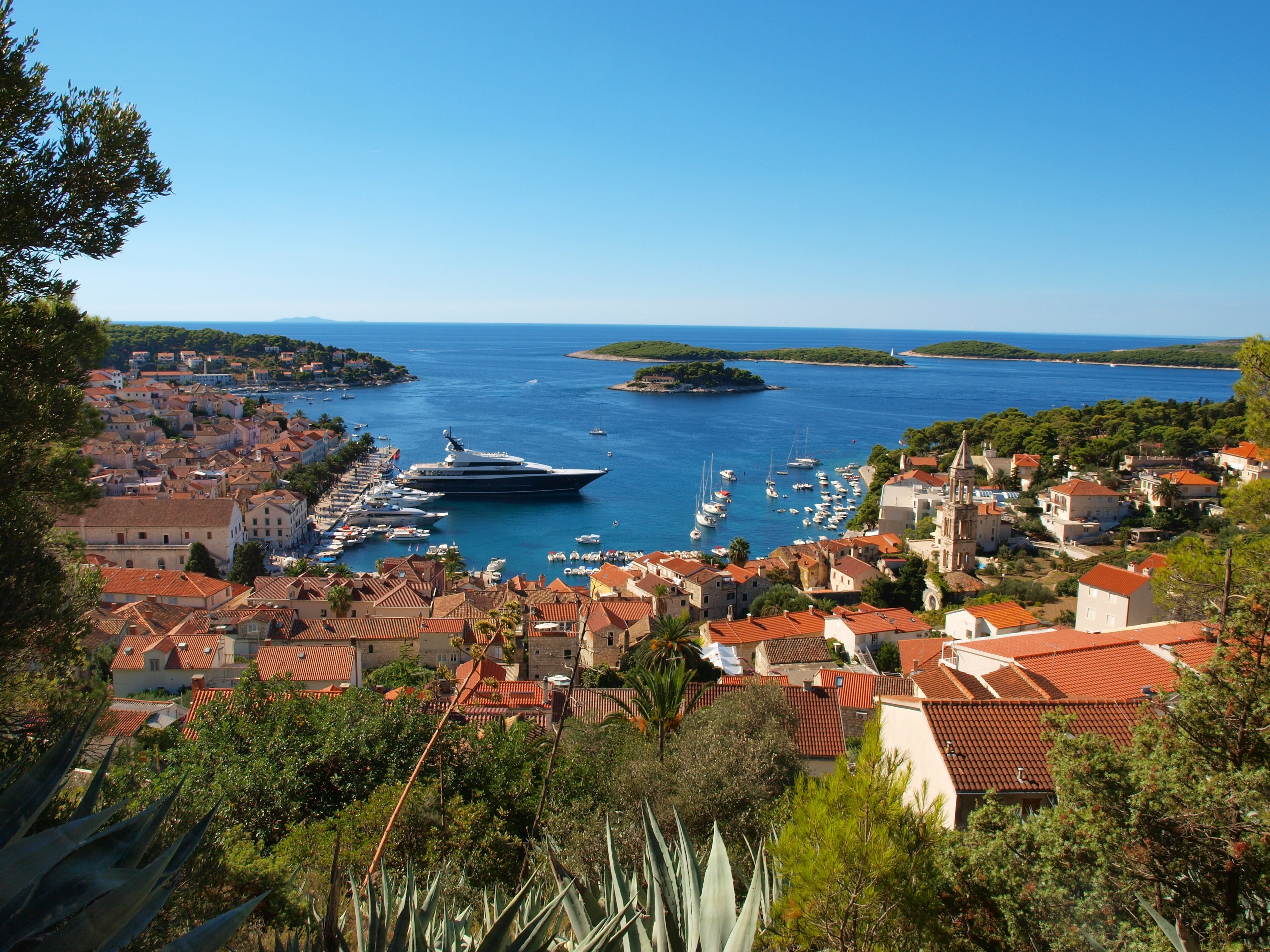
When people picture Croatia, they usually imagine Dalmatia. It stretches along the southern Adriatic coast and includes famous destinations like Split, Dubrovnik, Makarska, Hvar, Brač, Korčula, and Vis.
Dalmatia is dramatic, lively, and deeply Mediterranean. Compared to Istria, Dalmatia is all about movement and energy — sailing, island hopping, beach clubs, historic stone towns, and vibrant waterfront promenades.
What Makes Dalmatia Special?
The vibe: energetic Mediterranean lifestyle
You’ll find:
- island hopping
- beach clubs
- historic UNESCO cities
- yacht culture
- lively waterfront promenades
Beaches and sea
If your dream Croatia holiday revolves around swimming, boating, and beaches, Dalmatia usually wins.
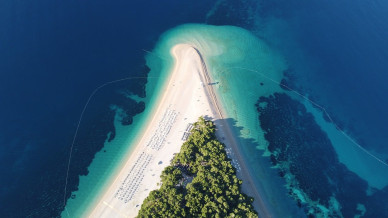
Brač is home to Zlatni Rat, one of Croatia’s most photographed beaches and a true symbol of the Adriatic coast. Located near Bol, this unique pebble beach constantly changes shape with the wind and sea currents, creating a spectacular stretch of white stone surrounded by crystal-clear water. It’s especially popular among swimmers, families, and windsurfing lovers.
Hvar combines glamorous beach clubs with quieter, hidden bays. While travellers often associate the island with luxury nightlife and yachts, beaches like Dubovica reveal a more authentic side of Hvar. This beautiful pebble bay, framed by an old stone house and turquoise water, feels peaceful even during summer and is perfect for couples looking for a romantic beach day away from the crowds.
Vis is completely different - slower, more secluded, and ideal for travellers searching for privacy. The island is famous for hidden coves accessible mostly by boat, such as Stiniva Beach, surrounded by dramatic cliffs that open toward the sea like a secret lagoon. Nearby, the Blue Cave on Biševo Island creates glowing blue reflections inside the cave, making it one of Dalmatia’s most unforgettable natural attractions.
The Dubrovnik coast offers a more dramatic and elegant coastal atmosphere. Beaches here are framed by historic stone architecture and luxury seaside resorts. Just outside the Old Town, Banje Beach combines crystal-clear water with panoramic views of Dubrovnik’s medieval walls, while Pasjača Beach, further south, feels completely untouched, hidden beneath towering cliffs near Konavle.
Around the Pakleni Islands near Hvar, travellers can explore small hidden beaches, beach bars, and turquoise lagoons by private boat, making this part of Dalmatia especially attractive for luxury travellers and couples seeking a more exclusive Adriatic experience.
Gastronomy in Dalmatia
Dalmatian cuisine is simpler and more Mediterranean than Istrian cuisine, with a strong focus on fresh local ingredients and traditional recipes passed down through generations. Fresh Adriatic fish, high-quality olive oil, octopus under peka, oysters from Ston, black risotto, Pag cheese, and local wines like Pošip and Plavac Mali dominate menus across the coast. Dining in Dalmatia is less about formal fine dining and more about atmosphere — long seaside lunches, sunset dinners by the water, and relaxed evenings in stone konobas where seafood arrives straight from local fishing boats.
At the same time, Dalmatia has developed an impressive, refined gastronomy scene in recent years. Restaurants like Michelin-starred LD Restaurant on Korčula elevate traditional Dalmatian ingredients into contemporary tasting menus, while Zoi in Split combines elegant seafood dining with spectacular views of Diocletian’s Palace and the waterfront. Dubrovnik’s 360°, located on the city walls, is another standout for travellers looking for a luxury fine-dining experience with panoramic Adriatic views.
Luxury Villas in Dalmatia
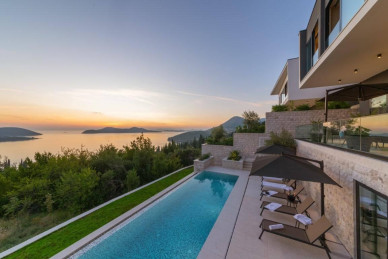
Dalmatia is the region most travellers imagine when thinking about a luxury holiday on the Croatian coast. From modern sea-view villas above the Makarska Riviera to elegant beachfront properties on the islands, the region offers a completely different atmosphere compared to inland Istria. Here, mornings begin with panoramic Adriatic views, afternoons are spent exploring hidden coves by boat, and evenings often end on terraces overlooking the sea.
For travellers wanting a true island escape, Villa Emma on Pag offers a spectacular beachfront setting just steps from the Adriatic. This modern luxury villa combines privacy with direct access to the relaxed Mediterranean lifestyle that the Dalmatian islands are known for. Spacious terraces, sea views, and a private pool make it ideal for larger groups or families wanting complete comfort close to the beach.
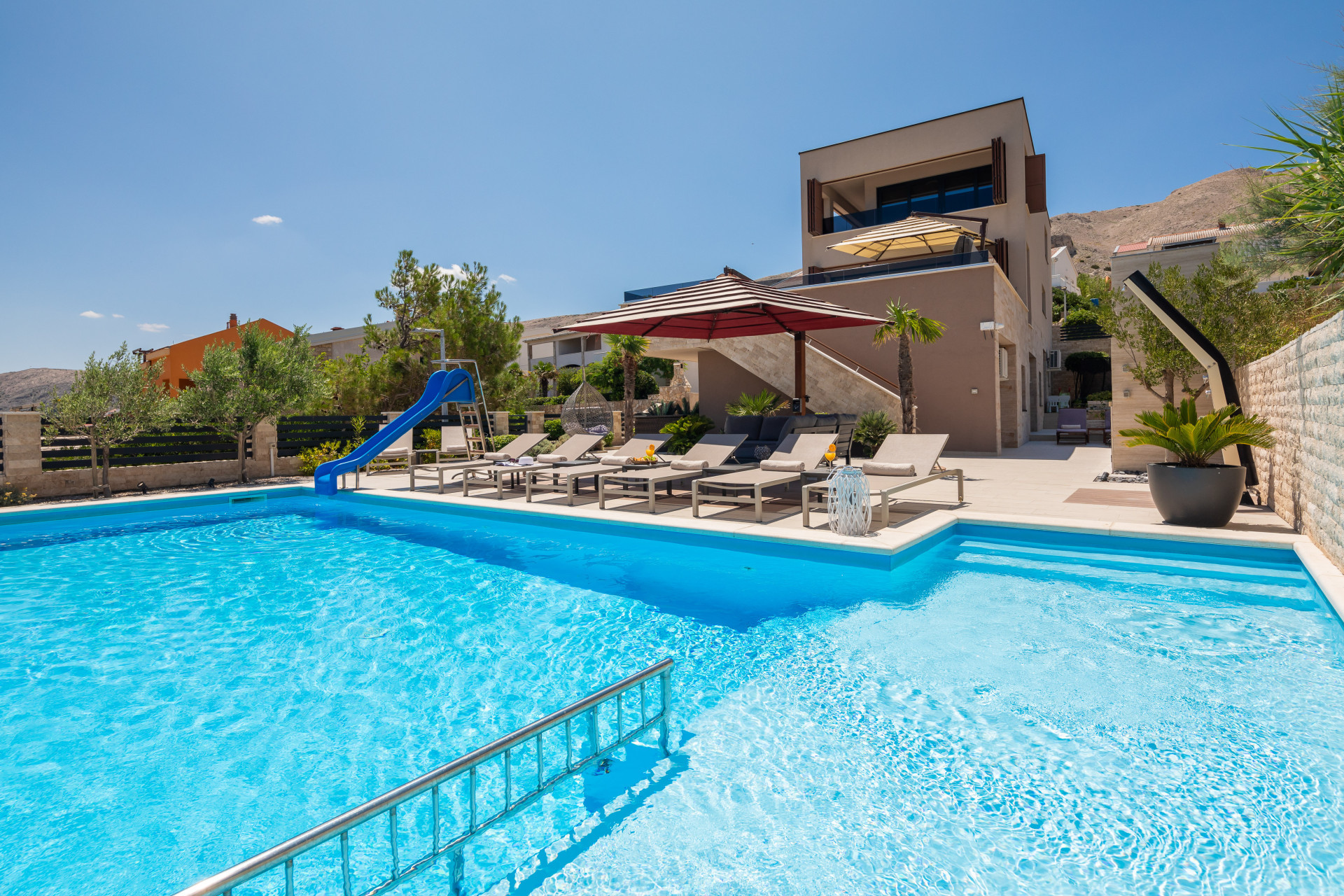
Near Primošten, Villa Five K represents the more contemporary side of Dalmatian luxury. Positioned above the coast with panoramic sea views, the villa perfectly fits travellers searching for privacy while still being close to beach clubs, marinas, and some of the most beautiful beaches in Central Dalmatia. Primošten itself is one of those destinations that blends authentic stone-town charm with a glamorous summer atmosphere.
Architecture and Cultural Differences
Istria
Istria reflects strong Venetian and Italian influence:
- pastel facades
- Roman ruins
- medieval hilltop towns
- elegant piazzas
Towns like Rovinj, Motovun, and Poreč feel polished and intimate rather than flashy. Rovinj is often considered the most beautiful town in Istria. Colourful houses rise directly from the sea, narrow stone streets lead uphill toward the Church of St. Euphemia, and the waterfront is filled with small cafés and elegant seafood restaurants. The town has a distinctly Venetian feel and is especially popular with couples looking for a romantic escape.
Perched high above the Mirna Valley, Motovun is one of the most iconic inland towns in Istria. Surrounded by forests famous for truffles, vineyards, and olive groves, it’s the perfect destination for travellers who want to experience authentic inland Croatia beyond the beaches. Pula combines history with coastal life. Its Roman Arena is one of the best-preserved amphitheatres in the world, while nearby beaches and beach bars create a relaxed Mediterranean atmosphere during summer.
Dalmatia
Dalmatia feels more traditionally Mediterranean and historic:
- white stone houses
- palm-lined promenades
- ancient fortresses
- UNESCO cities
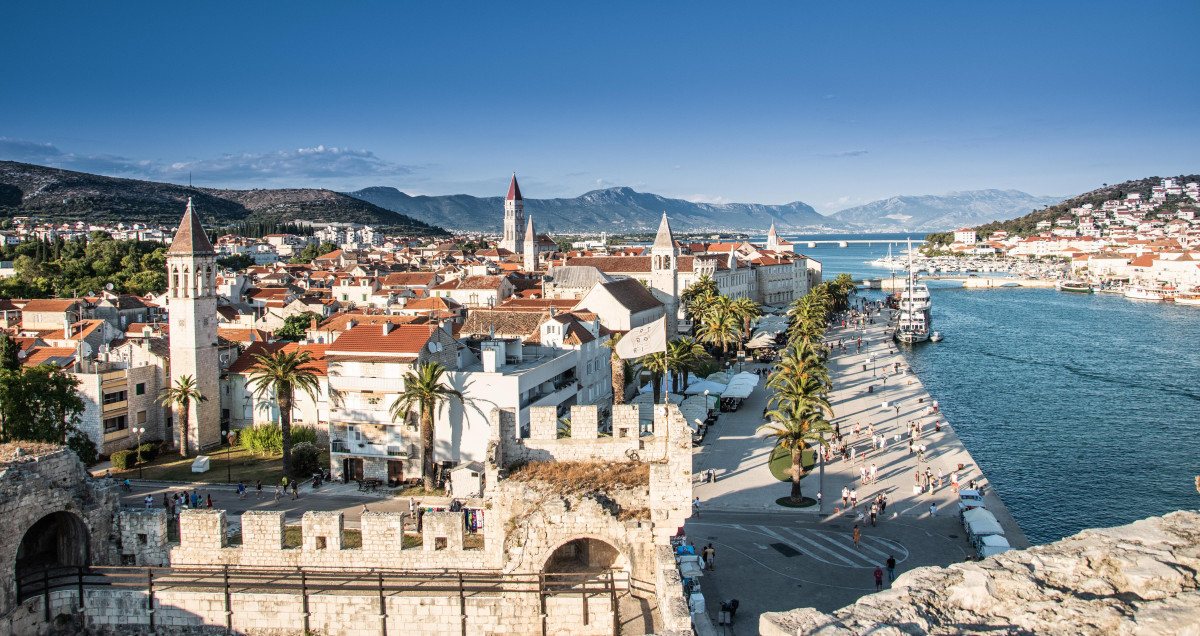
Dalmatia is home to some of Croatia’s most iconic destinations, each offering a different side of the Adriatic lifestyle. Split is the energetic heart of the region, where Roman history meets modern Mediterranean life inside and around Diocletian’s Palace, while Dubrovnik delivers a more elegant and dramatic atmosphere with its famous medieval walls, luxury hotels, and panoramic sea views.
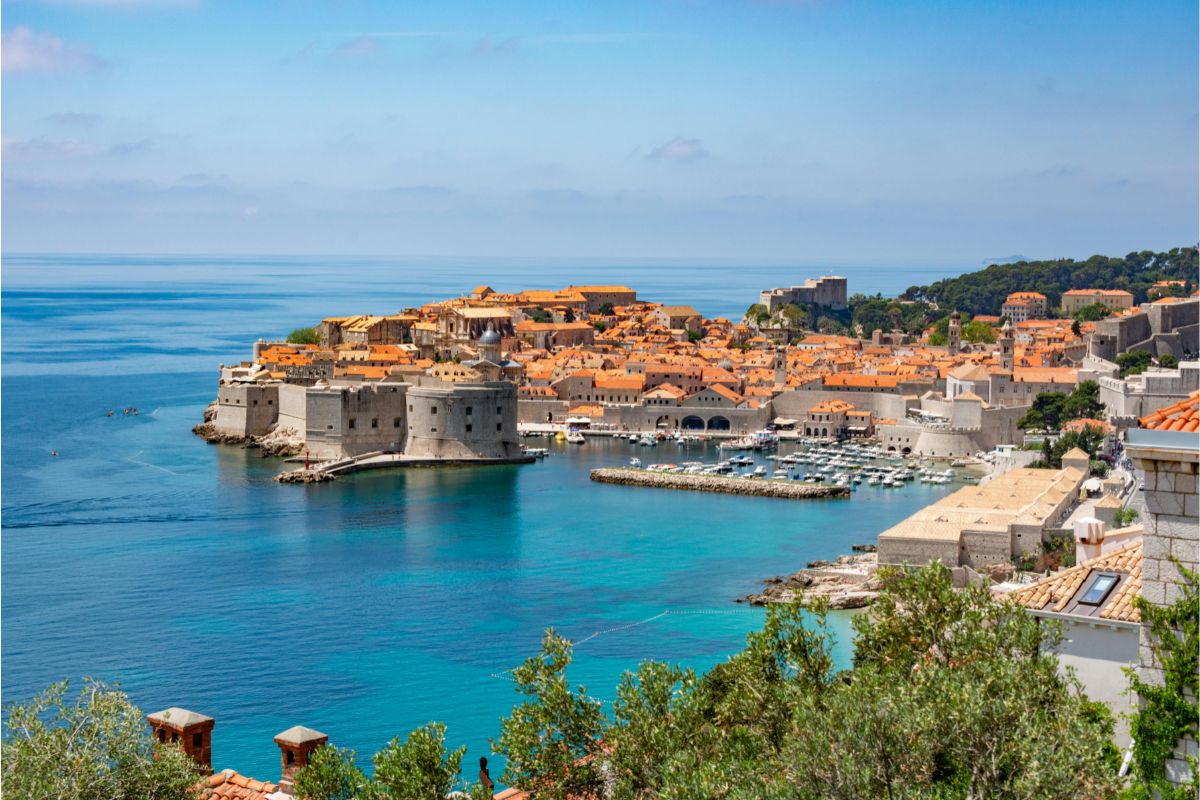
For travellers looking for glamour and nightlife, Hvar combines beach clubs, yachts, upscale restaurants, and beautiful lavender-covered landscapes, yet still hides peaceful coves and traditional stone villages away from the crowds. Vis offers the complete opposite experience — slower, more authentic, and known for untouched nature, fishing traditions, and secluded beaches perfect for couples seeking privacy. In northern Dalmatia, towns like Zadar and Šibenik reveal a calmer side of the region, combining historic stone streets, Roman heritage, and beautiful nearby islands with a more relaxed local atmosphere.
Which Region Is Best for Your Travel Style?
For Luxury Travellers
Choose Istria if you prefer:
- private countryside estates
- gourmet dining
- wine experiences
- understated luxury
Choose Dalmatia if you prefer:
- luxury yachts
- glamorous islands
- beach clubs
- sea-view villas
For Families
Istria is ideal for:
- peaceful holidays
- shorter driving distances
- relaxed atmosphere
- child-friendly villa stays
Dalmatia works better for:
- active families
- island adventures
- beach-focused holidays
- boat excursions
For Couples
Romantic Istria
Perfect for:
- wine tastings
- spa weekends
- sunset dinners
- boutique villages
Romantic Dalmatia
Perfect for:
- island hopping
- sailing trips
- beach sunsets
- luxury coastal villas
So, Istria or Dalmatia?
There’s no wrong answer — only different styles of holiday.
FAQ – Croatia Travel Regions Guide
Is Istria or Dalmatia better for beaches?
Dalmatia generally has more famous beaches and island swimming spots, while Istria offers rocky coves and peaceful seaside areas surrounded by pine forests.
Which region is better for food lovers?
Istria is considered Croatia’s top gourmet destination thanks to truffles, olive oil, wine routes, and fine dining experiences.
Is Dalmatia more expensive than Istria?
Popular Dalmatian destinations like Hvar and Dubrovnik can be more expensive during the peak summer season, especially for luxury travel.
Which region is better for families?
Istria is often preferred by families looking for a calm atmosphere and shorter travel distances, while Dalmatia suits active families who enjoy beaches and excursions.
Where should couples stay in Croatia?
Couples who enjoy wine, countryside charm, and boutique luxury often choose Istria. Couples seeking beaches, sailing, and island experiences usually prefer Dalmatia.
What is the best region in Croatia for holiday villas?
Both regions offer exceptional villas. Istria is known for elegant countryside estates, while Dalmatia offers spectacular sea-view and beachfront luxury villas.