
Croatia has become one of Europe's most sought-after holiday destinations, attracting millions of visitors every year. But one question remains among travellers planning their trip: is Croatia expensive to visit?
The answer depends largely on your travel style, destination, and the time of year you visit. While Croatia is no longer the bargain destination it was a decade ago, it still offers excellent value compared to many Mediterranean countries such as Italy, France or Greece.
In this realistic 2026 cost guide, we'll break down typical travel expenses, compare budget, mid-range, and luxury holidays, and explain where renting a luxury villa fits into the overall cost of your Croatian getaway.
Is Croatia Affordable in 2026?
Croatia introduced the euro in 2023, making prices easier to compare with the rest of Europe. Like many popular tourist destinations, costs have risen over recent years, particularly in coastal hotspots during the summer season.
However, Croatia can still be surprisingly affordable if you travel outside peak months or choose destinations beyond the most famous tourist centres.
The biggest factor influencing your budget is where you decide to stay. Dubrovnik and Hvar generally command higher prices, while regions such as Zadar, Šibenik, or parts of Istria often provide better value without compromising on the experience.
Whether you're travelling on a budget, planning a comfortable family holiday, or looking for a luxury escape, this guide breaks down the real costs of visiting Croatia in 2026.
Average Accommodation Costs: Villas for Every Budget
Accommodation is usually the largest expense when planning a holiday in Croatia. While many travellers immediately compare hotel prices, private villas have become one of the best-value accommodation options, especially for families and groups.
Here's what you can realistically expect to pay during the main tourist season.
| Villa Category | Average Price per Night | Ideal For |
|---|---|---|
| Affordable Villas | €250-500 | Couples & small families |
| TOP100 Villas | €600-1,200 | Carefully curated selection |
| Luxury Villas | €900-1,500 | Croatia's diverse collection of villas |
| Super Premium Villas | €1,500- 4,000+ | Luxury travellers seeking exclusive experiences |
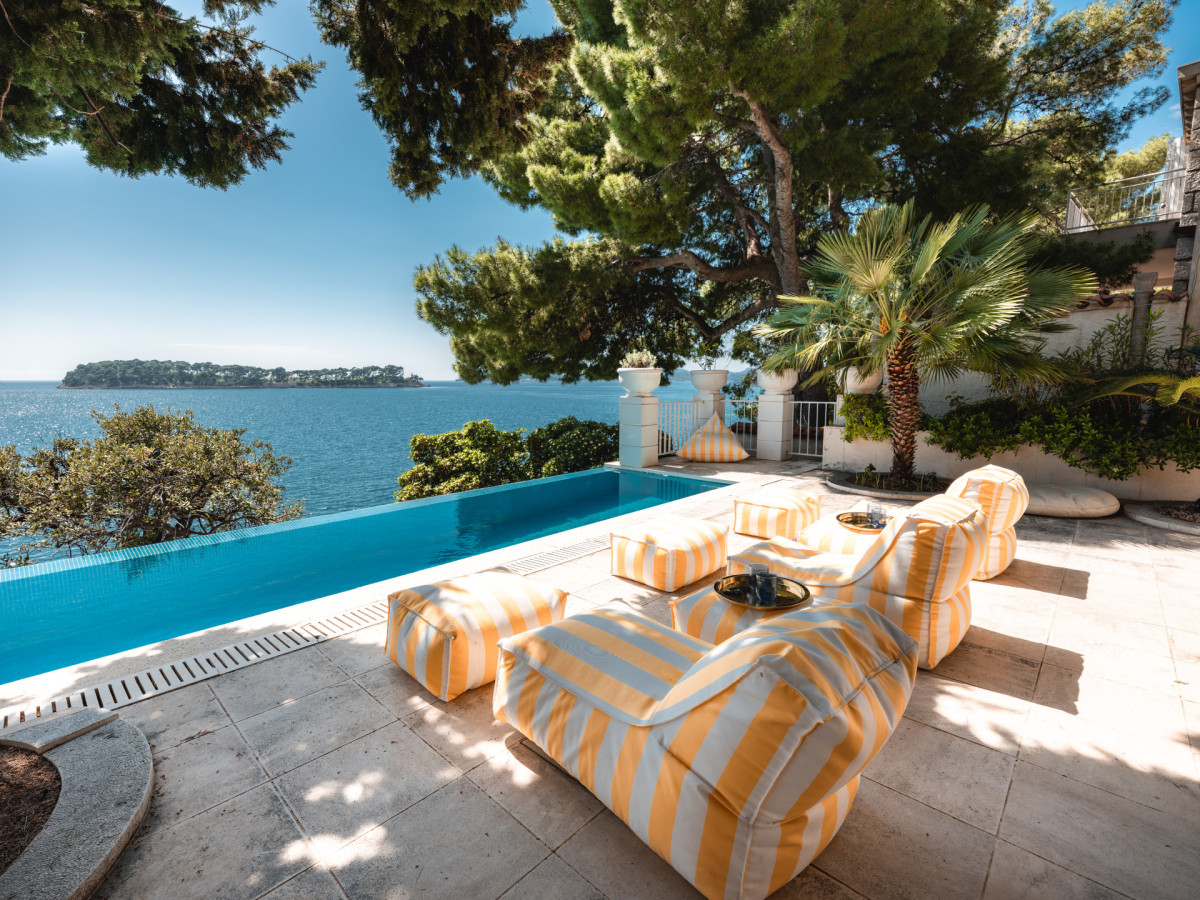
Super Premium Villas collection by My Luxoria features some of Croatia's most spectacular holiday homes, complete with infinity pools, private wellness areas, designer interiors, cinema rooms, sea views, and concierge services. For travellers looking for a five-star experience with complete privacy, these villas rival the world's finest luxury resorts.
At the same time, luxury doesn't always mean ultra-expensive.
For example, Villa L Istra near Zadar offers contemporary design, a private pool, and a peaceful setting surrounded by nature - an excellent choice for families or groups exploring northern Dalmatia. On the island of Brač, Villa Vale Estate delivers an exclusive Adriatic escape with elegant interiors and breathtaking sea views, making it ideal for travellers celebrating a special occasion. Meanwhile, Villa Issa on the island of Vis combines privacy, luxury, and one of Croatia's most authentic island settings, offering a premium holiday experience away from the crowds.
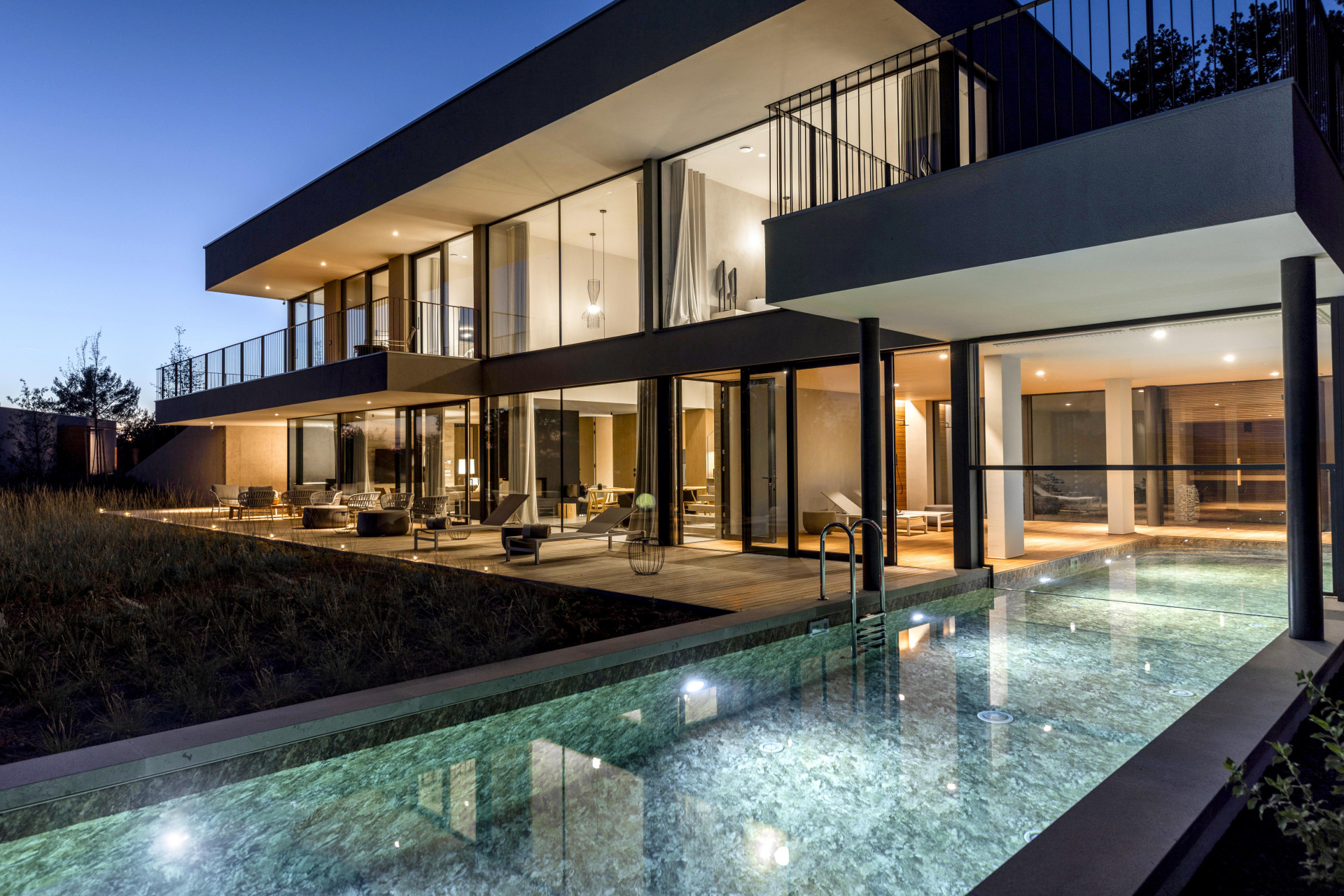
Villa L Istra
When the cost of these villas is shared between eight to twelve guests, the nightly price often works out to approximately €75-150 per person. That is comparable to booking a quality four- or even five-star hotel room. At the same time, guests enjoy an entire private property with a swimming pool, spacious living areas, outdoor dining spaces, and significantly greater privacy.
Villa vs Hotel: Which Offers Better Value?
Many travellers assume that hotels are always the cheaper option. In reality, this is often not the case.
| Accommodation | Hotel | Luxury Villa |
| Privacy | ★★☆☆☆ | ★★★★★ |
| Private pool | Rare | Included in most villas |
| Kitchen | Usually no | Fully equipped |
| Outdoor space | Limited | Large gardens & terraces |
| Best for groups | Several rooms required | Entire property |
| Cost per person (8 guests) | €180-350 | Often €60-180 |
Where Does a Luxury Villa Fit Into Your Croatia Travel Budget?
Renting a luxury villa generally falls into the mid-range to luxury travel budget, depending on the location, season, and number of guests.
At first glance, a villa's nightly rate may appear higher than a hotel room. However, the comparison changes completely when travelling as a family or group.
For example, a quality hotel in Split, Dubrovnik, or Hvar often charges between €180 and €350 per room per night during peak season. A group of eight travellers would typically need four hotel rooms, bringing the total cost to approximately €720-1,400 per night.
A private villa from the My Luxoria collection may cost €450 - 1,500 per night, while comfortably accommodating the entire group under one roof.
That means the cost per person is often similar, or even lower, than staying in a hotel, while guests enjoy significantly more space, complete privacy, a private swimming pool, outdoor dining areas, and a fully equipped kitchen that can further reduce holiday expenses.
Travellers choosing one of My Luxoria's Super Premium Villas enter the high-end luxury category. These exceptional properties are better compared with exclusive five-star resorts or private residences than standard hotels, thanks to amenities such as spa facilities, concierge services, and breathtaking Adriatic views.
Food and Drink Prices Across Croatia
Food costs vary depending on the destination, but Croatia still offers excellent dining options for every budget. Whether you're grabbing a quick bite at a local bakery, enjoying fresh seafood at a family-run konoba, or treating yourself to a fine dining experience, you'll find options to suit every travel style.
Approximate prices include:
| Item | Average Price |
| Coffee | €2–3 |
| Local beer | €4–6 |
| A glass of Croatian wine | €5–8 |
| Pizza | €12–18 |
| Seafood dinner | €30–60 |
| Fine dining menu | €70+ |
One of the easiest ways to save money is simply by choosing where you stop for coffee. Coffee is an important part of everyday life in Croatia. Rather than ordering a takeaway coffee and rushing off, locals often spend time sitting on café terraces, chatting with friends or simply enjoying the atmosphere. This relaxed coffee culture is especially noticeable in cities such as Split, Zadar, Zagreb, and Rijeka, where meeting "for a coffee" is a daily social ritual that can last well over an hour.
Prices vary noticeably between destinations, with cafés in historic centres and along popular waterfront promenades generally charging more than those just a few streets away. Stepping outside the main tourist areas not only helps you save money but also offers a more authentic local experience.
| Destination | Espresso | Cappuccino |
| Istria (Rovinj, Poreč) | €1.80-2.20 | €2.40-3.20 |
| Zadar | €1.70-2.20 | €2.30-3.20 |
| Split | €2.00-2.70 | €2.80-3.80 |
| Makarska Riviera | €1.80-2.50 | €2.50-3.50 |
| Dubrovnik Old Town | €2.80-4.50 | €3.50-5.50 |
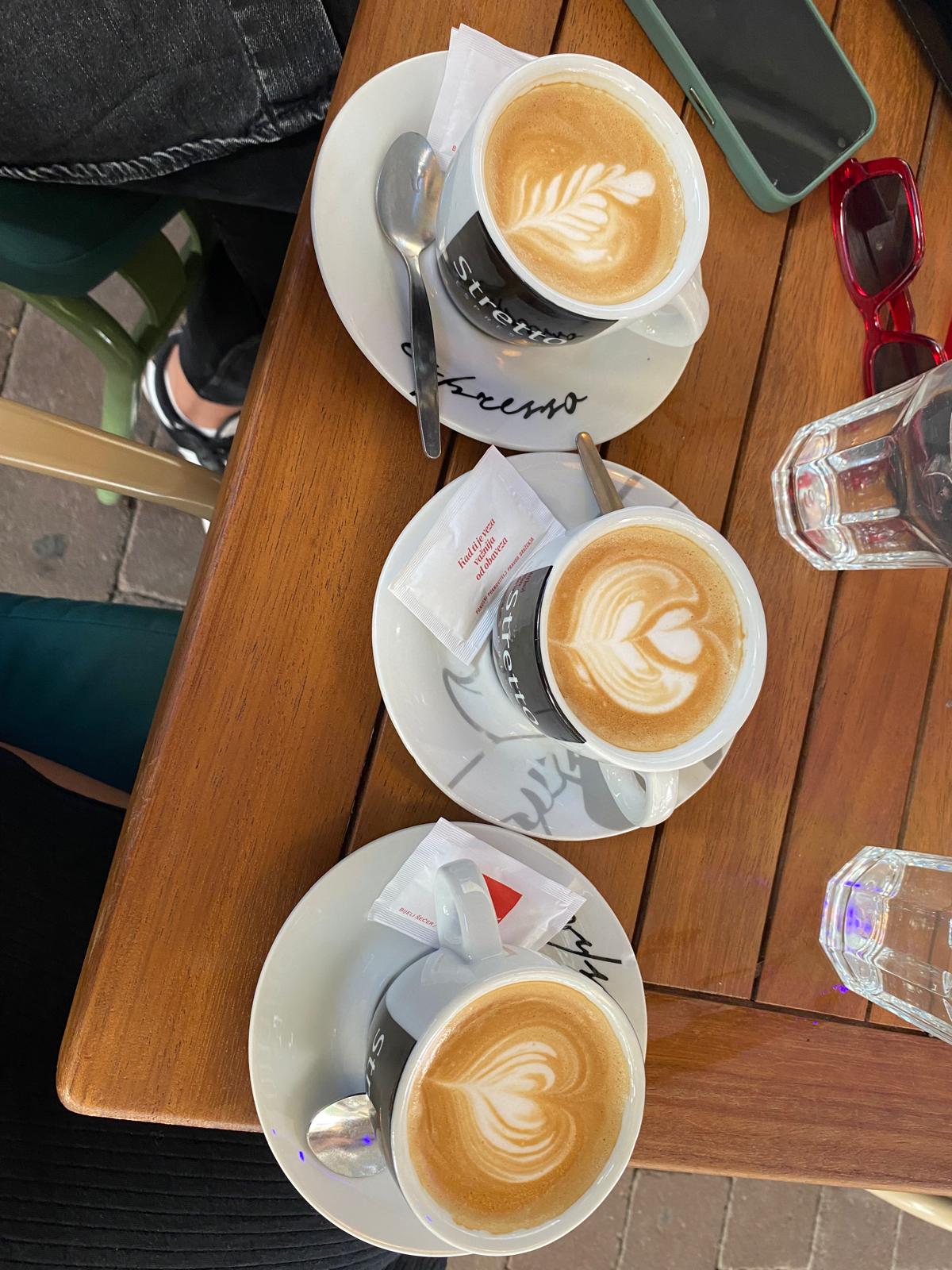
The best value can generally be found in Zadar, Šibenik, and smaller towns across Istria, while the historic centre of Dubrovnik commands the highest prices due to its international popularity.
Which Part of Croatia Offers the Best Value?
Not every destination has the same price level.
The cost of travelling in Croatia varies considerably depending on the destination. If you're looking for the best overall value, the Zadar region and the Šibenik Riviera are excellent choices, offering competitive accommodation prices, affordable restaurants, and easy access to beautiful beaches and national parks.
Istria provides a fantastic balance between price and quality, particularly for travellers who appreciate outstanding gastronomy, local wines, and charming coastal towns. While prices can be slightly higher than in northern Dalmatia, the overall experience still offers excellent value.
Split is another great option for visitors looking for flexibility. As Croatia's second-largest city, it caters to every type of traveller, with everything from budget accommodation to luxury villas in Split, making it easy to tailor your holiday to your budget.
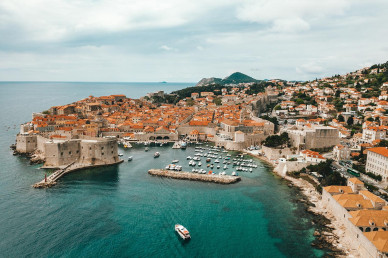
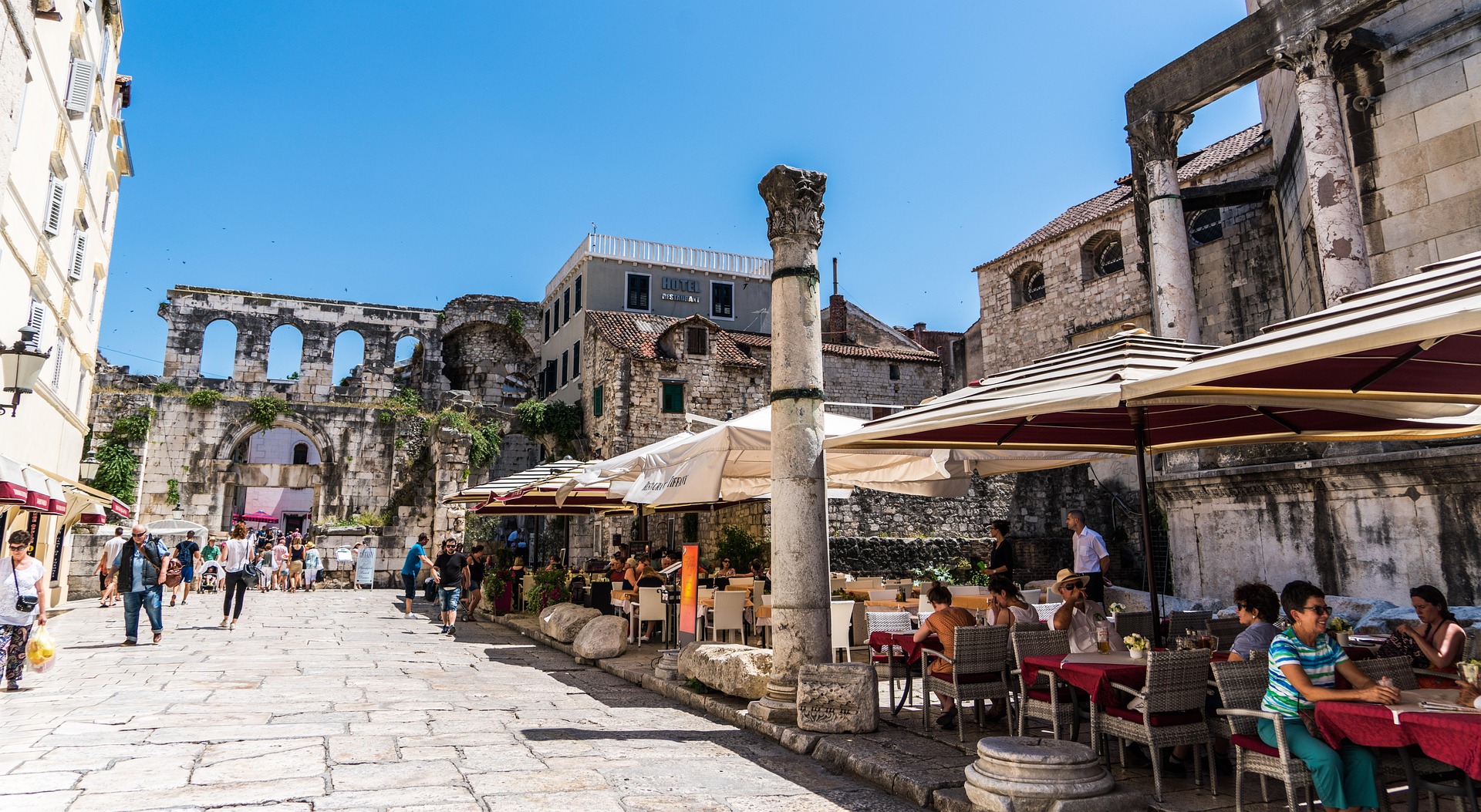
If you're planning to visit Hvar or Dubrovnik, it's worth noting that these destinations are among Croatia's most expensive, especially during the peak summer months. Accommodation, restaurants and attractions generally come at a premium, but many travellers consider the iconic scenery, historic landmarks and vibrant atmosphere well worth the additional cost.
How Much Does a Week in Croatia Cost?
Excluding international flights, here's what travellers can realistically expect.
Travel Style Weekly Budget
Budget €600–1,200
Mid-range €1,400–2,600
Luxury €3,800+
For groups staying in villas in Croatia, the per-person cost often falls into the mid-range category while providing a luxury experience.
Why Has Croatia Become More Expensive?
Several factors have contributed to rising prices in Croatia in recent years. The country has seen strong growth in international tourism demand, especially in popular coastal destinations and islands. The adoption of the euro has also made prices easier to compare with the rest of Europe, while inflation, higher operating costs, and increased labour expenses have affected accommodation, restaurants, transport, and activities. At the same time, Croatia's growing reputation as a luxury travel destination has led to greater demand for high-end hotels, private villas, and premium experiences.
Even so, Croatia continues to offer strong overall value compared to many other Mediterranean destinations. When you consider the quality of its beaches, historic towns, national parks, gastronomy, and private accommodation options, it remains a highly attractive choice for travellers across different budgets.
Tips for Saving Money in Croatia
If you'd like to make your holiday more affordable, a little planning can go a long way.
Consider visiting in May, June, or September instead of peak summer, when accommodation prices are lower, beaches are less crowded, and you'll often find better deals on activities and car rentals. Booking your villa, hotel, or rental car several months in advance can also help you secure the best rates.
When eating out, avoid restaurants directly on the main squares or the busiest waterfront promenades. These locations are usually more expensive, while the food is often more authentic, better prepared, and more reasonably priced in smaller side streets, family-run konobas, and restaurants slightly away from the main tourist flow.
Shopping at local markets and bakeries is another great way to save money while enjoying fresh, regional produce. If you're staying in a villa or apartment with a fully equipped kitchen, preparing some of your own meals can significantly reduce your food budget - often by as much as 50-60% compared to dining out for every meal. In smaller towns, local fast-food kiosks and takeaway spots frequently offer delicious grilled dishes, pizzas, and seafood at much lower prices than restaurants in the busiest tourist centres.
Beach costs can also add up during the summer. Many of Croatia's most popular beaches charge for parking, sunbeds, and umbrellas, while some organised beach clubs have minimum spending requirements. Fortunately, locals know that some of the country's best swimming spots are hidden in smaller coves and less-visited coastal villages, where access is free, and the atmosphere is often quieter. Don't hesitate to ask your villa host or residents for recommendations. They'll often point you to beautiful beaches that don't appear in most travel guides.
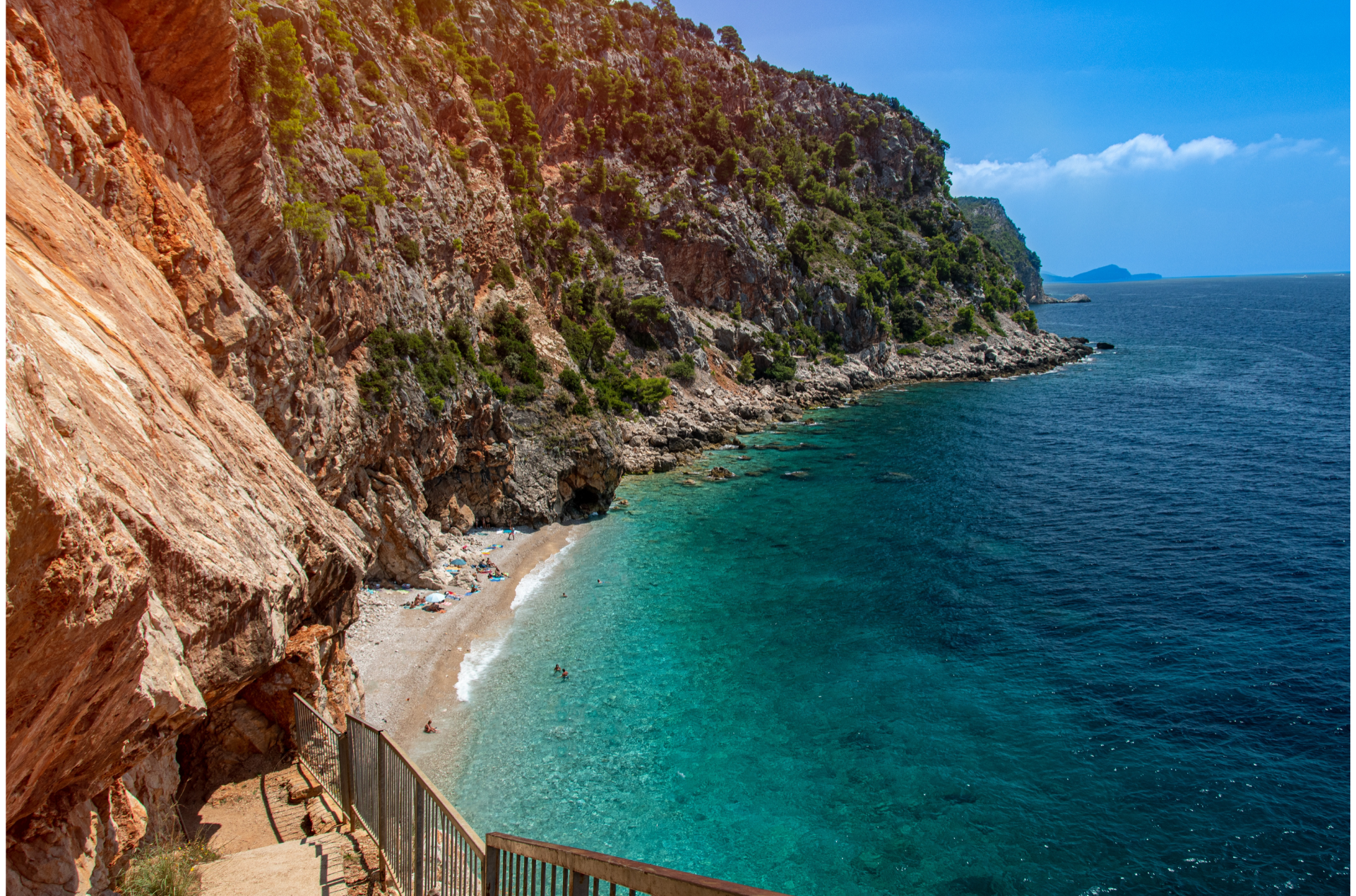
Pasjača Beach
Choosing destinations like Zadar, the Šibenik Riviera, the Makarska Riviera, or inland Istria can also stretch your budget further, as accommodation, restaurants, and daily expenses are generally more affordable than in Dubrovnik's Old Town or Hvar during the peak season.
Frequently Asked Questions
Is Croatia more expensive than Italy or Greece?
It depends on the destination and travel style. In general, Croatia is still slightly more affordable than Italy, especially when it comes to accommodation outside the most popular tourist hotspots. Compared to Greece, prices are fairly similar, although Croatia often offers better value for private villas and self-catering holidays.
Are there any free attractions in Croatia?
Absolutely. Many of Croatia's highlights can be enjoyed free of charge, such as Zadar’s Sea Organ and Greeting to the Sun, Split’s Riva and Marjan Forest Park, Dubrovnik’s Old Town streets, and Rovinj’s historic centre. Travellers can also enjoy countless public beaches, coastal promenades, hiking trails, and panoramic viewpoints without paying an entrance fee. Asking locals or your villa host for recommendations is often the best way to discover hidden coves and lesser-known viewpoints.
Is it cheaper to stay in a villa or a hotel?
For couples, hotels may be the more economical option. However, for families and groups, renting a villa is often more cost-effective. Splitting the cost between several guests can result in a similar, or even lower, price per person than booking multiple hotel rooms, while providing more space, privacy, and amenities.
When is the cheapest time to visit Croatia?
The best value can usually be found during the shoulder seasons, May, early June, and September. Accommodation is more affordable, attractions are less crowded, and the weather is still warm enough for swimming and sightseeing.
Which Croatian destinations offer the best value for money?
The Zadar region, the Šibenik Riviera, inland Istria, and the Makarska Riviera are excellent choices for travellers looking to balance quality and affordability. These areas generally offer lower accommodation and dining costs than Dubrovnik or Hvar while still providing stunning beaches and plenty of attractions.
How much should I budget for food each day?
Most travellers spend between €20 and €40 per person per day on food if they combine local bakeries, cafés, and traditional restaurants. Dining exclusively at high-end restaurants can increase that amount significantly.
Is Croatia worth the price?
Croatia undoubtedly offers a diverse range of attractions, including beautiful beaches, UNESCO-listed historic towns, national parks, excellent cuisine, and a wide selection of accommodation options. Whether you're travelling on a budget or looking for a luxury villa, the country offers excellent value and memorable experiences for every type of holiday.