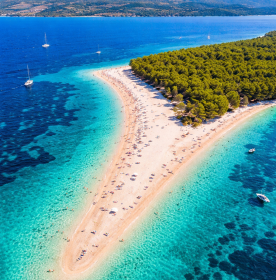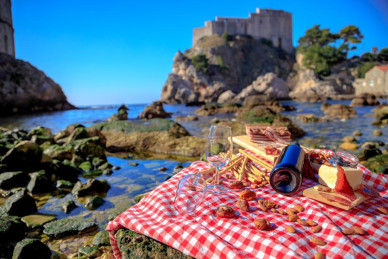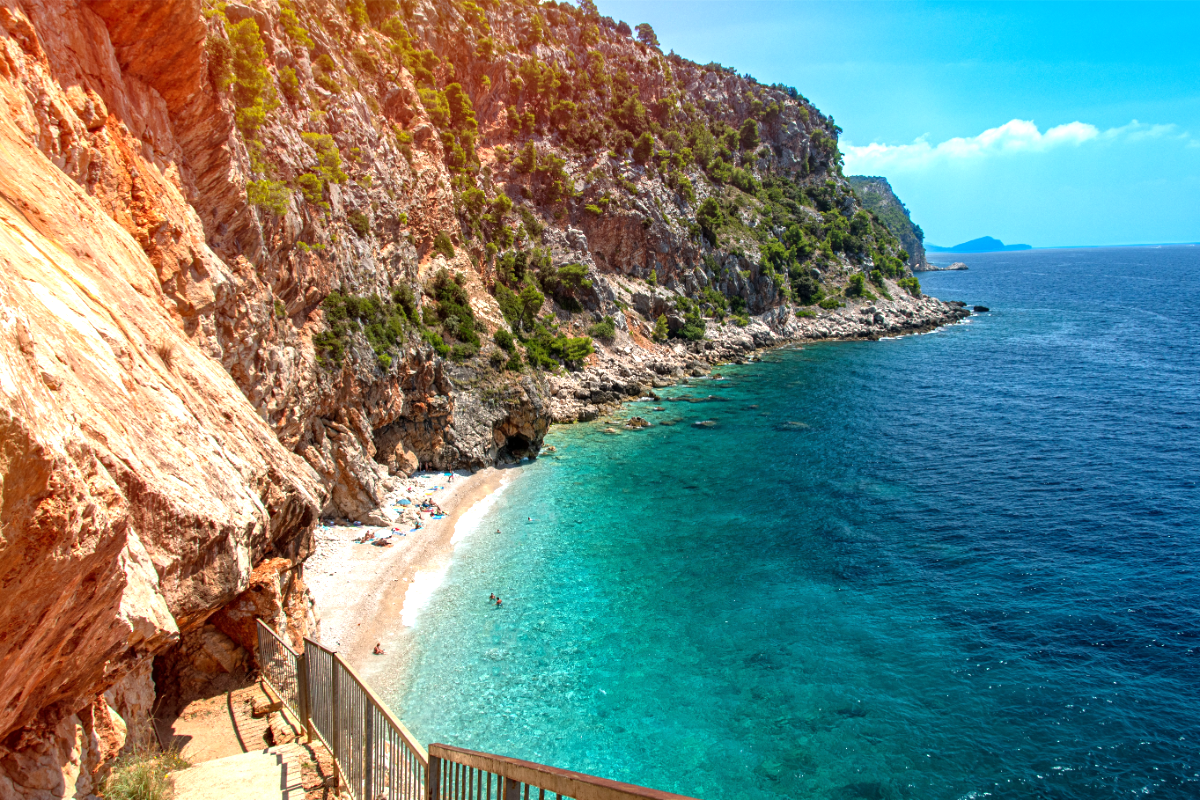

Planning your first trip to Croatia? You’re not alone. Over the last few years, Croatia has become one of Europe’s most talked-about travel destinations - and for good reason. From crystal-clear beaches and historic coastal towns to island hopping and luxury villas, the country offers a little bit of everything.
But if it’s your first time in Croatia, there are a few things worth knowing before you arrive. While the photos online are stunning, having realistic expectations and understanding how things work locally can make your trip far smoother and more enjoyable.
This guide covers the most important Croatia travel tips for first-time visitors, from currency and transportation to ferries, crowds, accommodation, and local culture.
Currency & Payments in Croatia
One of the first things to know before travelling to Croatia is that Croatia officially uses the Euro (€). Credit cards are widely accepted in hotels, restaurants, and shops, especially in tourist areas, but it’s still a good idea to carry some cash for smaller cafes, local markets, parking, or island restaurants.
ATMs are easy to find, although some charge additional withdrawal fees - especially in tourist hotspots. If possible, avoid airport exchange offices, as rates are usually less favorable.
Good to know:
- Tipping isn’t mandatory, but it’s appreciated
- Many beach bars and smaller bakeries still prefer cash
- Apple Pay and Google Pay work in most cities
Getting Around Croatia
One of the most common questions for people visiting Croatia for the first time is whether they should rent a car. The answer depends on the type of holiday you want.
If you’re exploring regions like Istria or planning to stay in luxury villas outside city centers, renting a car is highly recommended. Croatia’s coastline is beautiful to drive through, and many hidden beaches, wineries, and viewpoints are easily accessible by car.
On the other hand, if you plan to stay mainly in Dubrovnik, Split, or on the islands, you may not need one at all.
Croatia travel essentials:
- Roads are modern and generally easy to navigate
- Highway tolls are paid separately
- Parking in old towns can be difficult during the summer
- Uber is available in larger cities like Split and Dubrovnik
Ferries & Island Hopping
Island hopping is one of the most unforgettable parts of any Croatian trip - but if it’s your first time here, it’s worth planning it a little in advance.
The easiest way to check ferry schedules and buy tickets is through Jadrolinija, Croatia’s main ferry company. Their website is the go-to place for timetables, routes, and online bookings, especially during summer when ferries can sell out quickly. If you’re traveling in July or August, booking at least a few days ahead is a smart move - particularly for popular routes.
Some of the most common ferry connections include:
- Split → Hvar → around 1 to 2 hours depending on the ferry type
- Split → Brač → approximately 50 minutes
- Dubrovnik → Korčula → around 2 hours
- Zadar → Dugi Otok → approximately 1.5 hours
One thing many first-time visitors don’t realize is that not all Croatian islands require a ferry. Some are actually connected to the mainland by bridge, making them much easier to explore by car.
These include:
- Krk – connected via the Krk Bridge, ideal for easy arrival from Rijeka or Istria
- Murter – connected by a small drawbridge, perfect if you want island vibes without ferry stress
- Pag – accessible by bridge from the Zadar region
- Vir – another easy-access island near Zadar
If you’re staying in villas like Villa Valle on Krk or Villa Sara i Konstanca on Murter, you get the best of both worlds: the relaxed island atmosphere without worrying about ferry schedules.
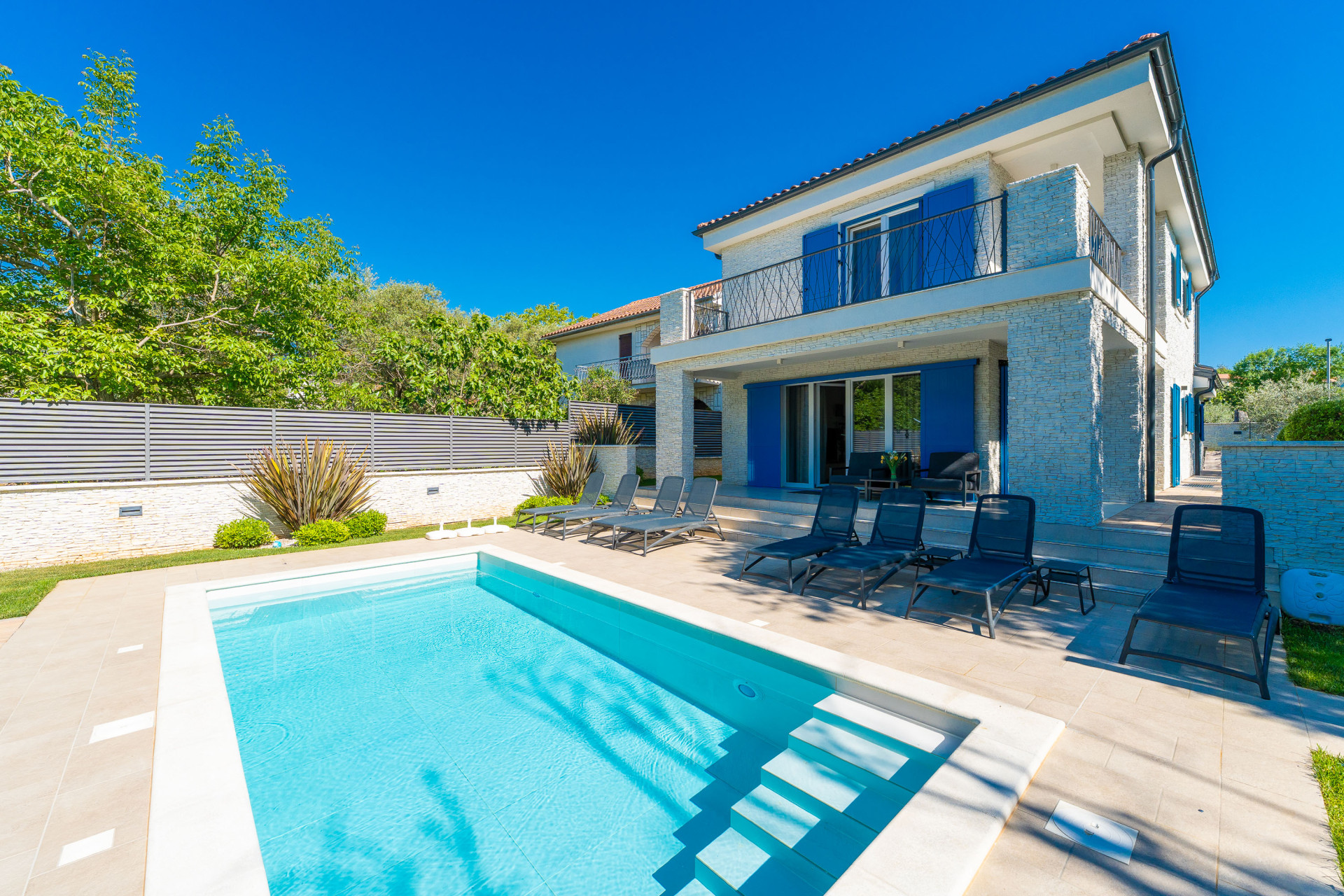
Villa Valle
And honestly, that flexibility can make a huge difference - especially if you’re traveling with family, arriving late, or simply want a slower, stress-free holiday.
Crowds & Best Time to Visit
One of the biggest surprises for travelers is how busy Croatia can get during peak summer months.
If you’re searching for practical travel tips to Croatia, this is an important one: July and August are beautiful, but they’re also the busiest and hottest months of the year.
Popular places like Dubrovnik, Hvar, and Split can become crowded, especially around midday when cruise ships arrive.
Best months to visit Croatia:
- May & June → warm weather, fewer crowds
- September → perfect sea temperature and relaxed atmosphere
- October → quieter, ideal for food & wine experiences
If you prefer a more peaceful experience, staying in private villas outside the busiest city centers is often the best option.
Where to Stay in Croatia
One of the biggest questions travelers ask when planning their first Croatian holiday is: Where should we actually stay?
The truth is, Croatia feels completely different depending on the region you choose. That’s why it’s worth thinking less about “seeing everything” and more about the kind of experience you want.
Choose Istria if you want:
- Wine and gastronomy
- Countryside villas
- A relaxed atmosphere
- Charming hilltop towns
One villa that perfectly captures that atmosphere is Villa Olive View near Poreč. Surrounded by greenery and offering complete privacy, it’s ideal for travelers who want a calm, elegant base close to both the sea and charming Istrian towns.
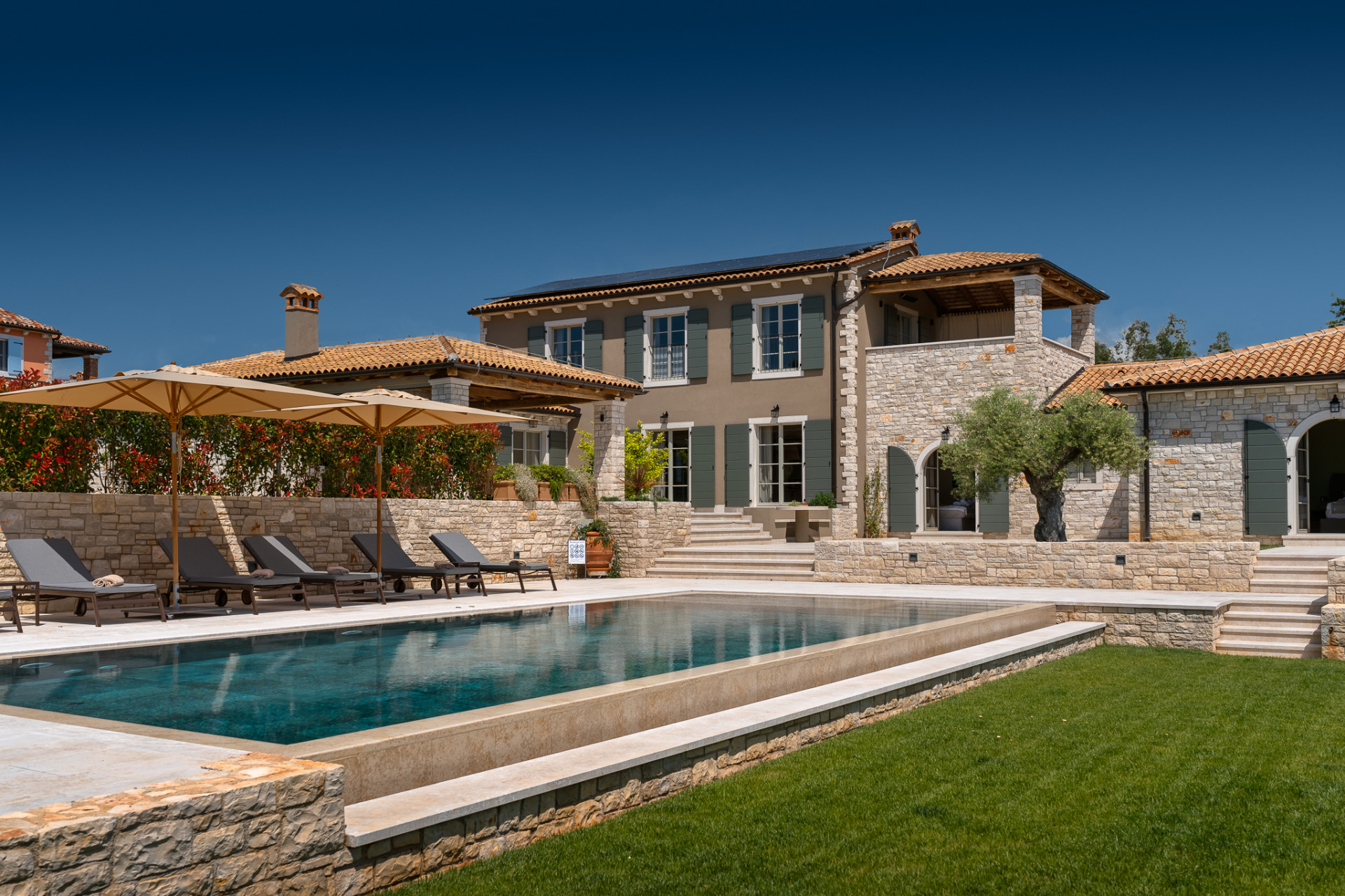
For something a little different, the Kvarner region offers beautiful island escapes that are easy to reach. Villa Miryam on Krk island combines modern luxury with a quieter island lifestyle - and because Krk is connected to the mainland by bridge, getting there is surprisingly simple.
Choose Dalmatia if you want:
- island hopping
- boat trips
- lively summer atmosphere
- beach-focused holidays
If you want panoramic sea views and easy access to beaches, Villa Vespera in Makarska is a beautiful option. The Makarska Riviera has that classic Dalmatian energy - vibrant, sunny, and perfect for summer evenings by the sea.
For travelers looking for a more peaceful island atmosphere, Villa Sara i Konstanca on Murter offers a completely different experience. Murter still feels authentic and relaxed, with hidden beaches, excellent seafood restaurants, and easy boat access to Kornati National Park.
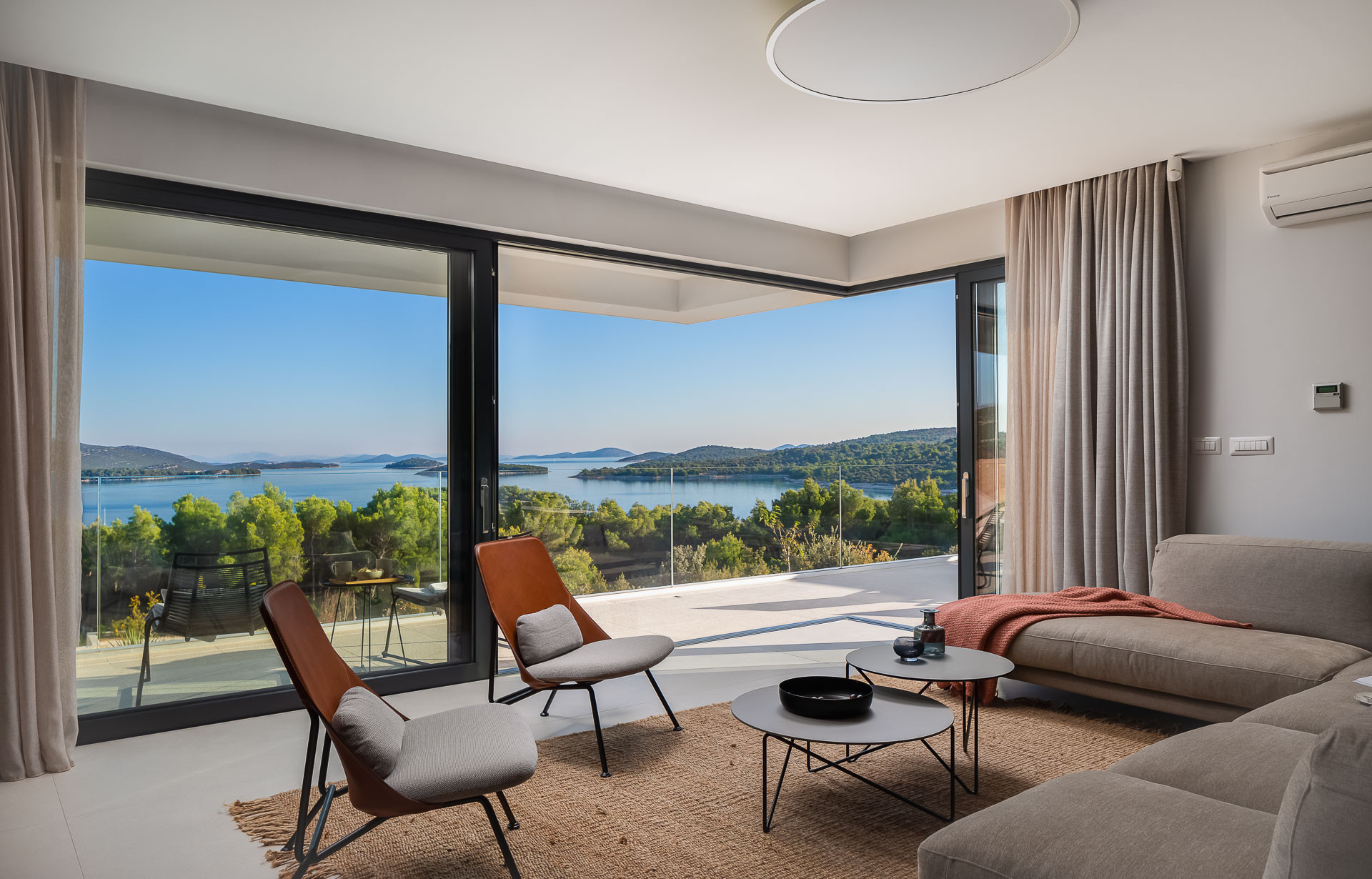
Villa Sara i Konstanca
Dubrovnik Area – Luxury & Iconic Scenery
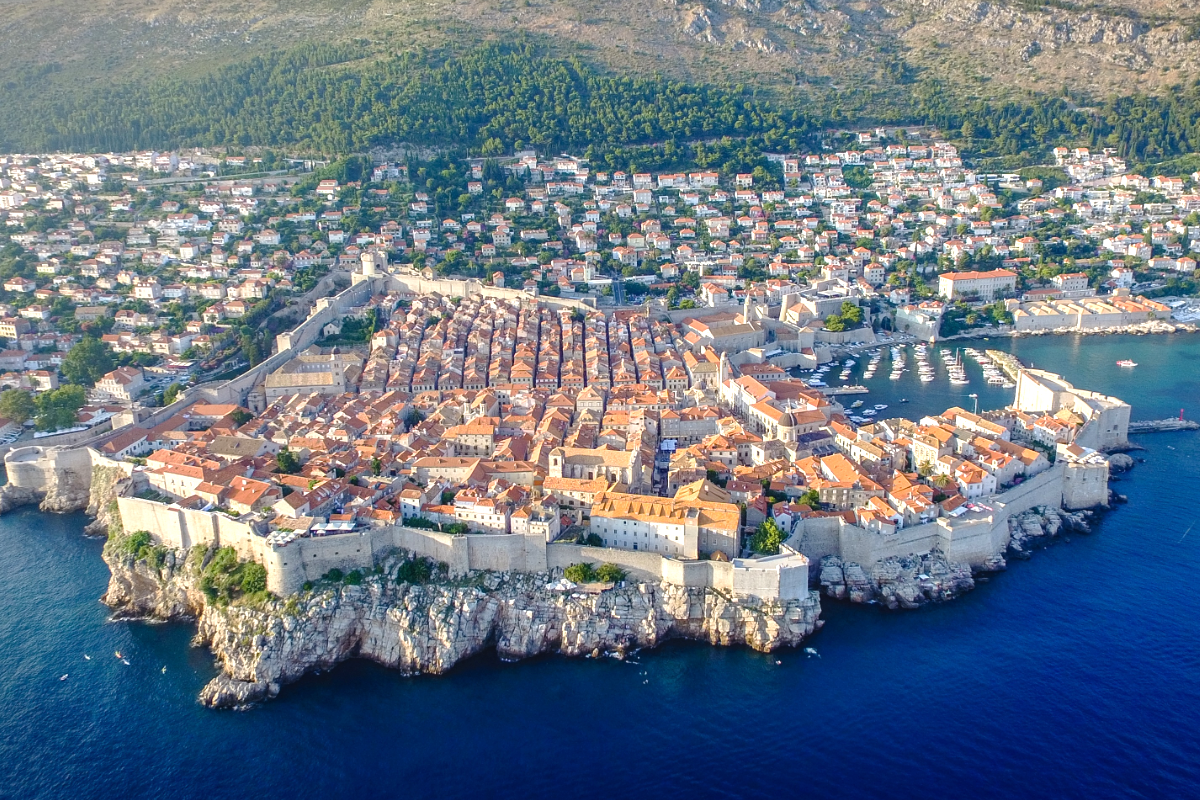
Dubrovnik is one of those places that really does look like the photos. Historic walls, dramatic sea views, and elegant stone streets create a very cinematic atmosphere.
But staying directly in the Old Town can feel crowded during the summer. That’s why many travelers prefer luxury villas slightly outside the center, where they can enjoy privacy while still being close enough for day trips and dinners.
Villa Spa Dubrovnik S is a perfect example, offering wellness facilities, sea views, and a much calmer atmosphere compared to the busy city center.
The Dubrovnik region works best for travelers looking for:
- luxury experiences
- romantic escapes
- private boat tours
What Croatia Is Really Like
One thing I wish more people knew before visiting Croatia is this: the best moments usually aren’t the big tourist attractions.
They’re the slower moments you don’t really plan.
Like taking a sunset boat ride from Rovinj, where the old town slowly turns golden as fishing boats drift across the water. Or sailing out from Split toward Brač or Hvar in the late afternoon, when the sea becomes completely calm, and everything suddenly feels quieter.
Some of the most beautiful bays aren’t even marked on travel guides. Places like:
- Stiniva Bay on Vis
- hidden coves around the Pakleni Islands
- the crystal-clear beaches near Cape Kamenjak in Istria
- small Kornati bays, only reachable by boat
And then there are the evenings spent in traditional Croatian konobas - small family-run taverns where nobody rushes you. Places where dinner lasts for hours, wine keeps coming, and you end up ordering whatever the owner recommends because there’s no real menu anyway.
The same goes for accommodation. Croatia isn’t just about hotels by the beach anymore. Some of the most memorable stays are in private villas nestled in nature and surrounded by silence.
Places like Villa White House or Villa Sansarea offer that feeling of complete escape - the kind where mornings are quiet, the pool is yours alone, and the loudest sound you hear is the wind or the sea in the distance.
That’s probably the best way to describe Croatia overall. It’s beautiful, yes - but more than that, it’s a place that invites you to slow down a little.
FAQ – Croatia Travel Guide for Beginners
Is Croatia expensive for tourists?
Croatia can be affordable or luxurious depending on your travel style. Coastal destinations during summer are generally more expensive than inland areas.
Do people speak English in Croatia?
Yes, especially in tourist areas, hotels, restaurants, and larger cities.
What is the best way to travel around Croatia?
For flexibility, renting a car is ideal. Ferries are best for island hopping.
What should I avoid in Croatia?
Avoid underestimating travel times between islands and booking ferries last-minute during peak season.
Is Croatia safe for travelers?
Yes, Croatia is considered one of the safest countries in Europe for tourists.