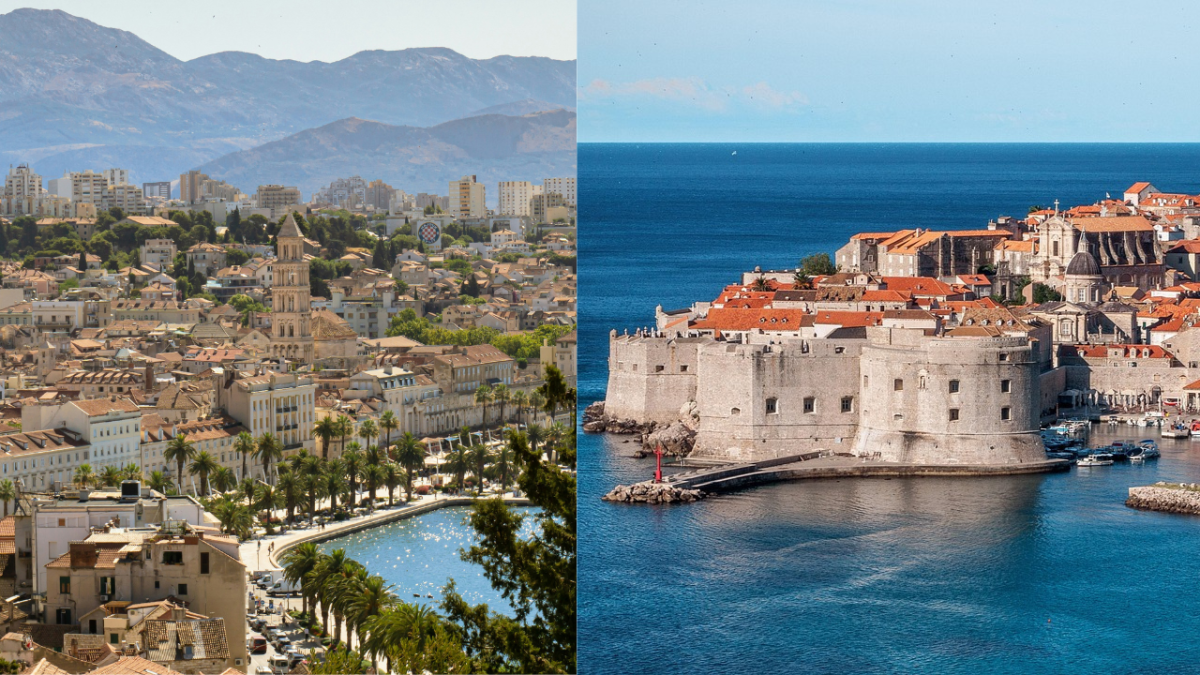

Choosing between Dubrovnik and Split is one of the classic dilemmas when planning a holiday on Croatia's Adriatic coast. Both cities offer UNESCO-listed heritage, beautiful beaches, excellent restaurants and easy access to some of Dalmatia's most spectacular islands. Yet the experience of staying in each is surprisingly different.
Split feels energetic, spontaneous and deeply connected to everyday Mediterranean life. Ancient Roman architecture sits alongside busy cafés, markets, beaches and nightlife, making the city a particularly versatile base for travellers who want to explore central Dalmatia.
Dubrovnik, on the other hand, offers a more polished and romantic atmosphere. Its monumental city walls, terracotta rooftops and dramatic position above the Adriatic create one of the most memorable settings in Croatia, making it especially appealing to couples, honeymooners and travellers looking for a more exclusive escape.
So, which city is better for your Croatian holiday: Split or Dubrovnik? It ultimately depends on your travel style, the experiences you value most and how you plan to spend your time.
In this Split vs Dubrovnik 2026 guide, we compare the two cities across atmosphere, beaches, gastronomy, nightlife, day trips and accommodation to help you choose the best base for your Croatian itinerary.
Split vs Dubrovnik at a Glance
| Split | Dubrovnik | |
|---|---|---|
| Atmosphere | Lively, local and energetic | Historic, elegant and romantic |
| Best for | Families, groups, active travellers | Couples, honeymooners, luxury escapes |
| Beaches | Greater variety around the city | Scenic coves and crystal-clear water |
| Nightlife | More varied and energetic | Sophisticated bars and evening drinks |
| Food | Excellent mix of traditional and contemporary | Refined dining and spectacular settings |
| Island hopping | Hvar, Brač, Šolta, Vis | Elaphiti Islands, Mljet, Korčula |
| Day trips | Trogir, Krka, Omiš, Šibenik | Cavtat, Konavle, Pelješac, Ston |
| Ideal stay | 3-5 days | 2-4 days |
| Overall feel | Dynamic Mediterranean lifestyle | Romantic Adriatic escape |
Dubrovnik vs Split: The Atmosphere
Perhaps the biggest difference between Split and Dubrovnik is how the two cities feel.
Split: A city that lives beyond its old town
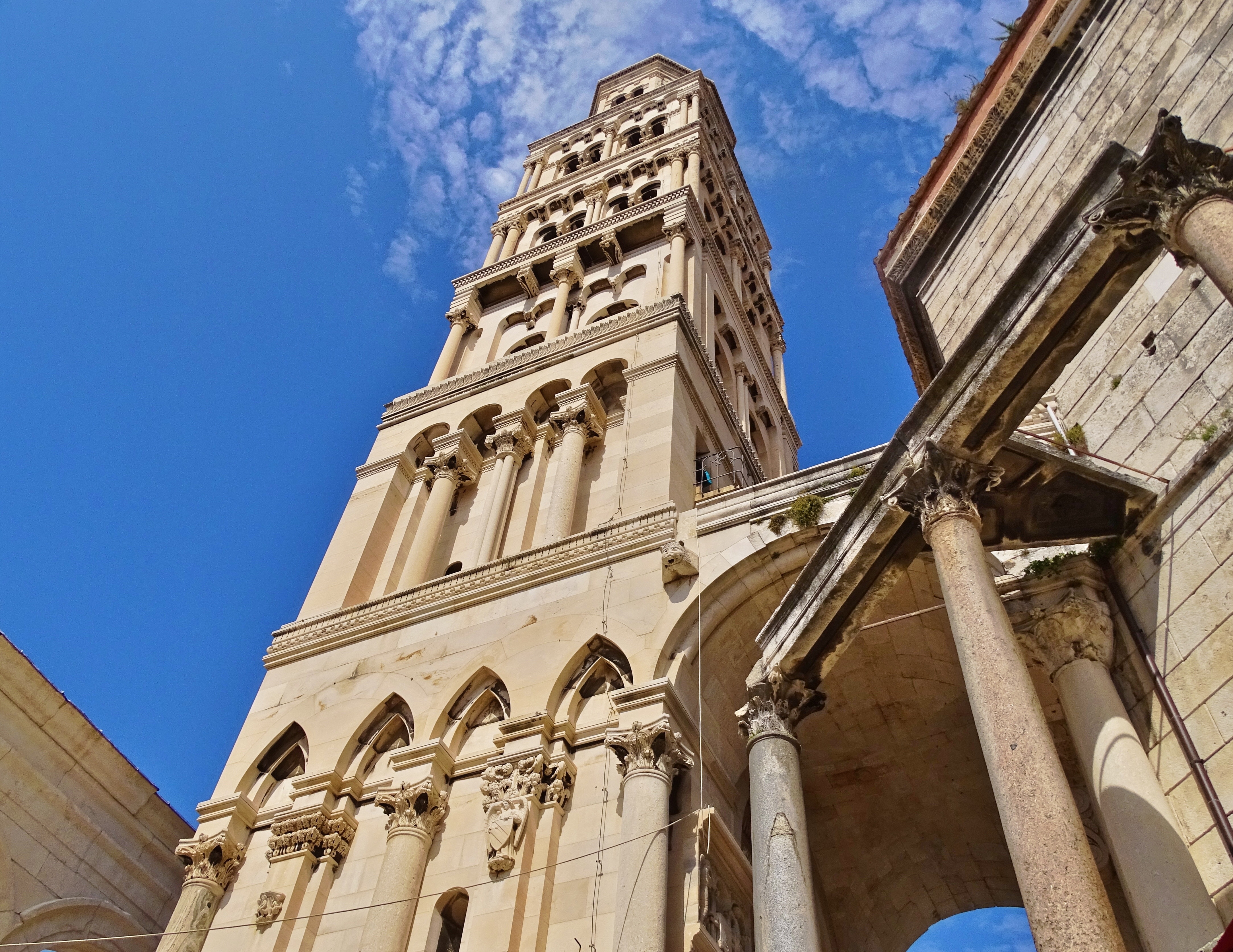
At the heart of Split is Diocletian's Palace, a UNESCO World Heritage Site built for the Roman emperor at the beginning of the 4th century. But don't expect a conventional archaeological site.
The palace is part of the living city.
Apartments, restaurants, boutiques and cafés occupy ancient stone buildings, while narrow passages suddenly open onto lively squares. Just outside the palace, the Riva waterfront fills with locals meeting for coffee and evening walks.
That combination gives Split a wonderfully relaxed energy. It's historic without feeling like a museum and lively without existing solely for visitors.
Choose Split if you like having plenty happening around you and want to experience contemporary Croatian life alongside the country's history.
Dubrovnik: History on a grand scale
Dubrovnik makes a very different first impression.
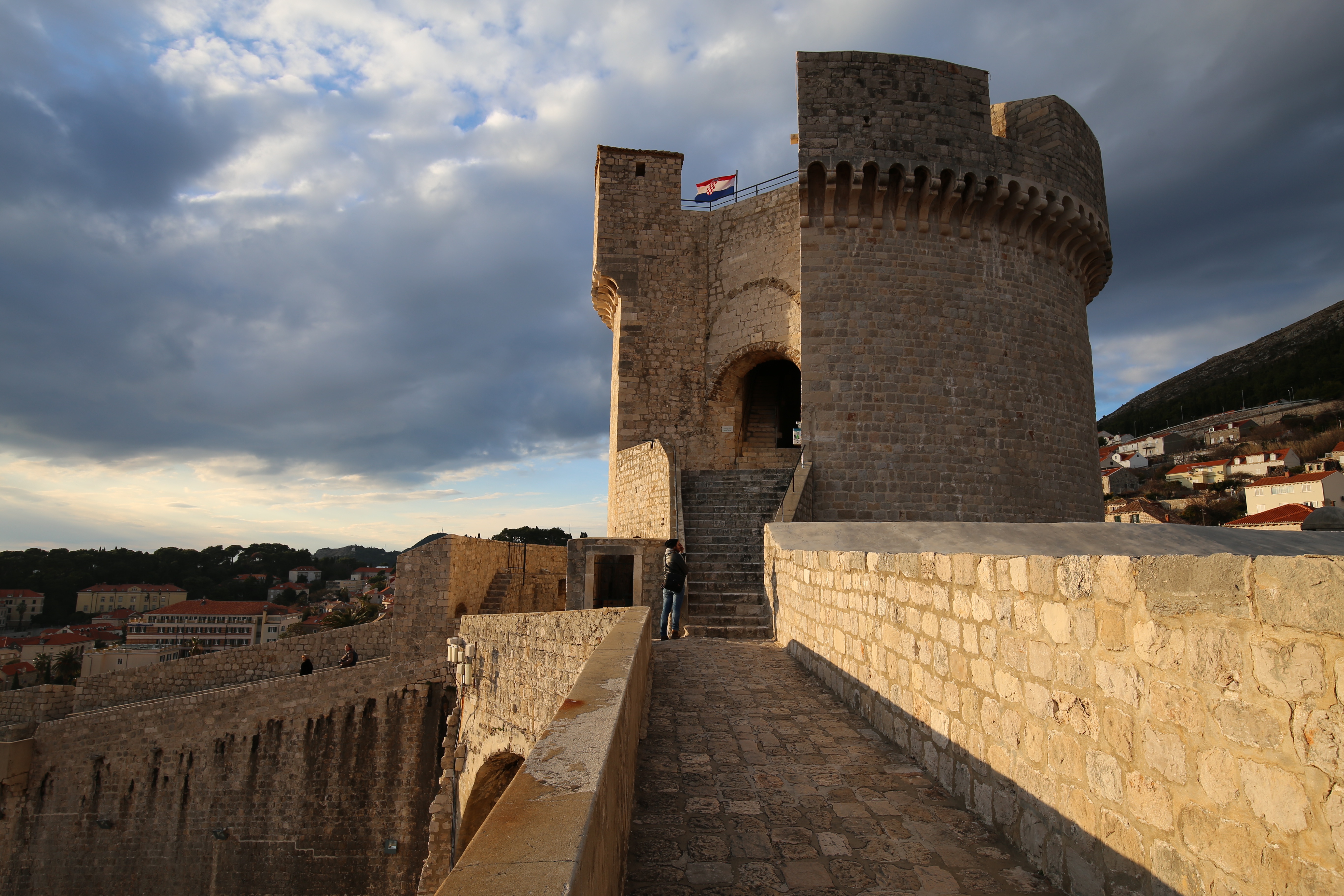
Enclosed by monumental medieval walls and surrounded by the Adriatic, the Old Town is one of Croatia's most recognisable sights. Walking along Stradun, climbing the city walls or looking across Dubrovnik's terracotta rooftops immediately gives the destination a sense of occasion.
Dubrovnik is generally the better choice for travellers searching for romance, spectacular views and an atmosphere that feels particularly special.
Stay slightly outside the Old Town in a private luxury villa, and you can enjoy the best of both worlds: Dubrovnik's energy when you want it and complete privacy when you return home.
Verdict: Split for lively Mediterranean atmosphere; Dubrovnik for history and romance.
Split vs Dubrovnik: Beaches
If beaches are an important part of your holiday, both cities deliver, but in different ways.
Beaches in Split
Split has a broad selection of beaches both within the city and along the surrounding coastline.
Bačvice Beach is the city's most famous beach and an important part of local culture. For something quieter, explore beaches around Marjan Forest Park or head south towards Žnjan and the coastline beyond Split.
Having a car gives you even more possibilities. Staying in a villa outside the centre makes it easy to explore smaller beaches and coves along the coast while still visiting Split whenever you wish.
Beaches in Dubrovnik
Dubrovnik's beaches are arguably more dramatic.
Banje Beach combines swimming with one of the classic views towards the Old Town, while Sveti Jakov is popular for its beautiful setting and clear water. The Dubrovnik area also offers plenty of smaller beaches and secluded coves.
For a more private experience, look towards areas outside the historic centre, where luxury villas often combine sea views with pools and easy access to the coastline.
Verdict: Split wins for variety and accessibility; Dubrovnik wins for scenery and romantic surroundings.
Dubrovnik vs Split for Food: Where should food lovers go?
When comparing Dubrovnik vs Split for food, there is no clear loser. Both cities have excellent restaurants, but the dining experience is slightly different.
Where to eat in Split
Split has a particularly diverse restaurant scene, ranging from traditional Dalmatian konobas to contemporary fine dining.
For a lively dinner in the heart of the Old Town, Bokeria Kitchen & Wine is one of the city's best-known choices, combining a vibrant atmosphere with Mediterranean-inspired dishes. Zinfandel Food & Wine Bistro is another popular address for local flavours, Croatian wines and an evening in the historic centre. For something more refined, reserve a table at ZOI, where fine dining is paired with a beautiful setting beside Diocletian's Palace.
Split is also an excellent base for culinary day trips. Explore family-run wineries and traditional restaurants in the surrounding villages, or head to Trogir or Omiš for dinner by the sea.
Where to eat in Dubrovnik
Dubrovnik is particularly good at turning dinner into an occasion, with Dubrovnik restaurants ranging from Michelin-starred fine dining to relaxed Mediterranean spots with spectacular Adriatic views.
For a memorable fine-dining experience, Restaurant 360 occupies a spectacular position within Dubrovnik's historic fortifications and is the city's Michelin-starred restaurant. Nautika Restaurant, just outside Pile Gate, is another iconic choice for an elegant dinner overlooking the sea and the fortresses of Lovrijenac and Bokar.
For something less formal, Azur brings Asian influences to Mediterranean ingredients inside the Old Town, while a trip up Mount Srđ to Panorama Restaurant combines dining with one of the most impressive views over Dubrovnik and the Adriatic.
And don't forget the region beyond the city: spend a day eating oysters in Ston, tasting wine on Pelješac or discovering traditional cuisine in Konavle.
Verdict: Split for variety and a lively dining scene; Dubrovnik for romantic dinners, fine dining and spectacular settings.
Split vs Dubrovnik Nightlife: Clubs, Cocktails & Rooftop Bars
If nightlife matters when deciding between Split or Dubrovnik, Split generally offers greater variety and a younger, more energetic scene.
Nightlife in Split
A typical summer evening in Split starts around Diocletian's Palace and the Riva, where the historic streets are packed with small bars and terraces.
For those who want to continue late into the night, Boiler Club is one of the city's established nightlife venues, located right in the centre and operating into the early morning. For daytime drinks that turn into a summer evening by the sea, Taboo Beach Club on Žnjan offers a different atmosphere.
For drinks with a view, try Split rooftop bars in the city centre, like Roof68 at the main Promenade.
Split is therefore the stronger option for groups of friends who want to combine sightseeing and beaches with evenings out.
Nightlife in Dubrovnik
Dubrovnik's nightlife is more compact but comes with some extraordinary locations.
Culture Club Revelin is the city's best-known large nightclub, set inside the historic Revelin Fortress and open until the early morning. For another late-night option close to the Old Town, there's Elyx Night Club.
But Dubrovnik is arguably at its best when you skip the conventional club altogether.
Have a drink at Buža, hidden through the city walls directly above the Adriatic, or head up Mount Srđ for sunset drinks and panoramic views.
For an elevated evening, Above 5 Rooftop Restaurant offers rooftop dining among Dubrovnik's historic rooftops, while Val Rooftop Restaurant & Bar provides another option away from the busiest streets of the Old Town.
Verdict: Split for clubs, groups and a livelier nightlife scene; Dubrovnik for atmospheric cocktails, romantic evenings and drinks with exceptional views.
Where to stay in Split: Villas for different types of travellers
Rather than staying directly in the busy centre, choosing a luxury villa in the wider Split area offers more privacy, a private pool, and considerably more space while keeping the city and surrounding attractions within reach.
The key is choosing a villa that matches the way you travel.
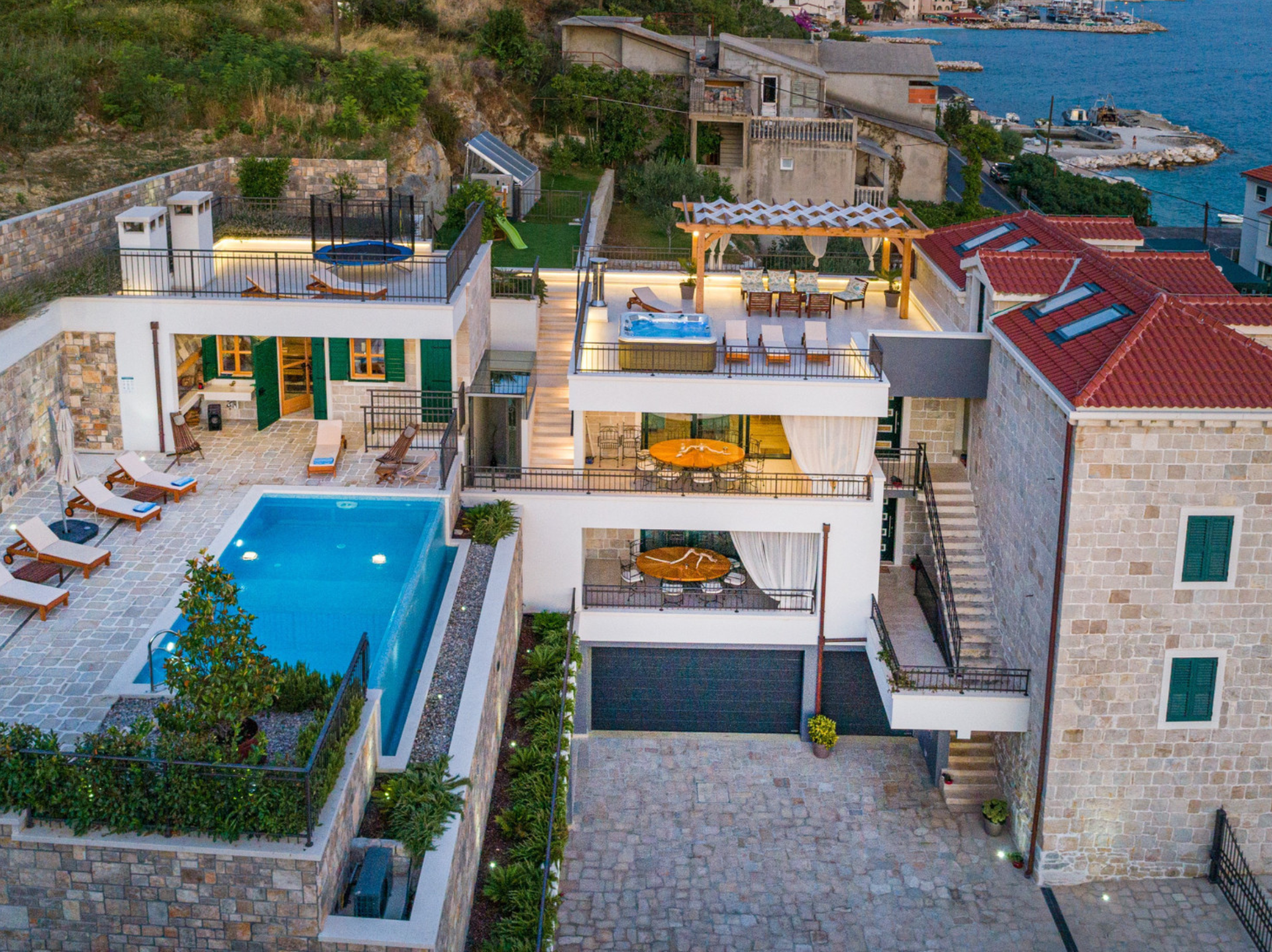
If you're travelling as a larger group, Villa Mladenka is particularly interesting because, unlike many luxury properties, young groups are welcome. The villa accommodates up to 12 guests across six en-suite bedrooms and includes two kitchens, a billiards table, jacuzzi, sauna and rooftop saltwater pool. That makes it a great example of why renting a villa can work better than booking several hotel rooms when travelling with friends: everyone stays together, you have your own social spaces and pool, and Split can still be incorporated into your days and evenings.
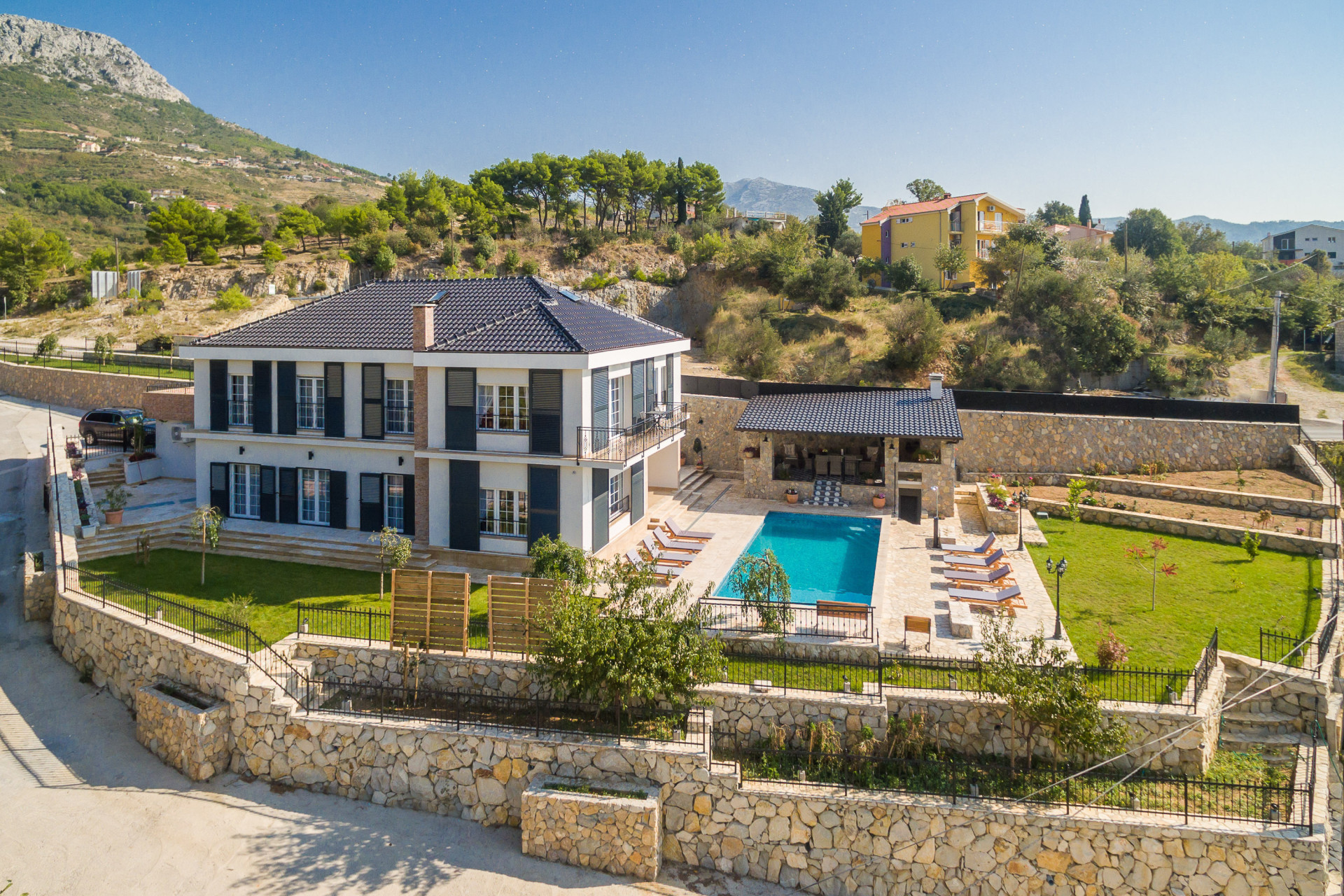
Families may prefer Villa Zvonimir, which combines sea views with a jacuzzi, children's playroom, table football and table tennis. It accommodates up to ten guests and is positioned only a short drive from Split's centre. The property specifically does not accept young groups, making it better suited to a quieter family holiday.
Where to stay in Dubrovnik: Privacy with the Old Town within reach
Dubrovnik is one of those destinations where staying slightly outside the historic centre can actually improve the experience.
For a luxury group stay: Villa Amelie
Villa Amelie in Zaton is one of My Luxoria's Top 100 properties and accommodates up to 14 guests across seven bedrooms. It is an attractive option for larger families and groups who want the Dubrovnik region without having to stay directly inside the busy historic centre.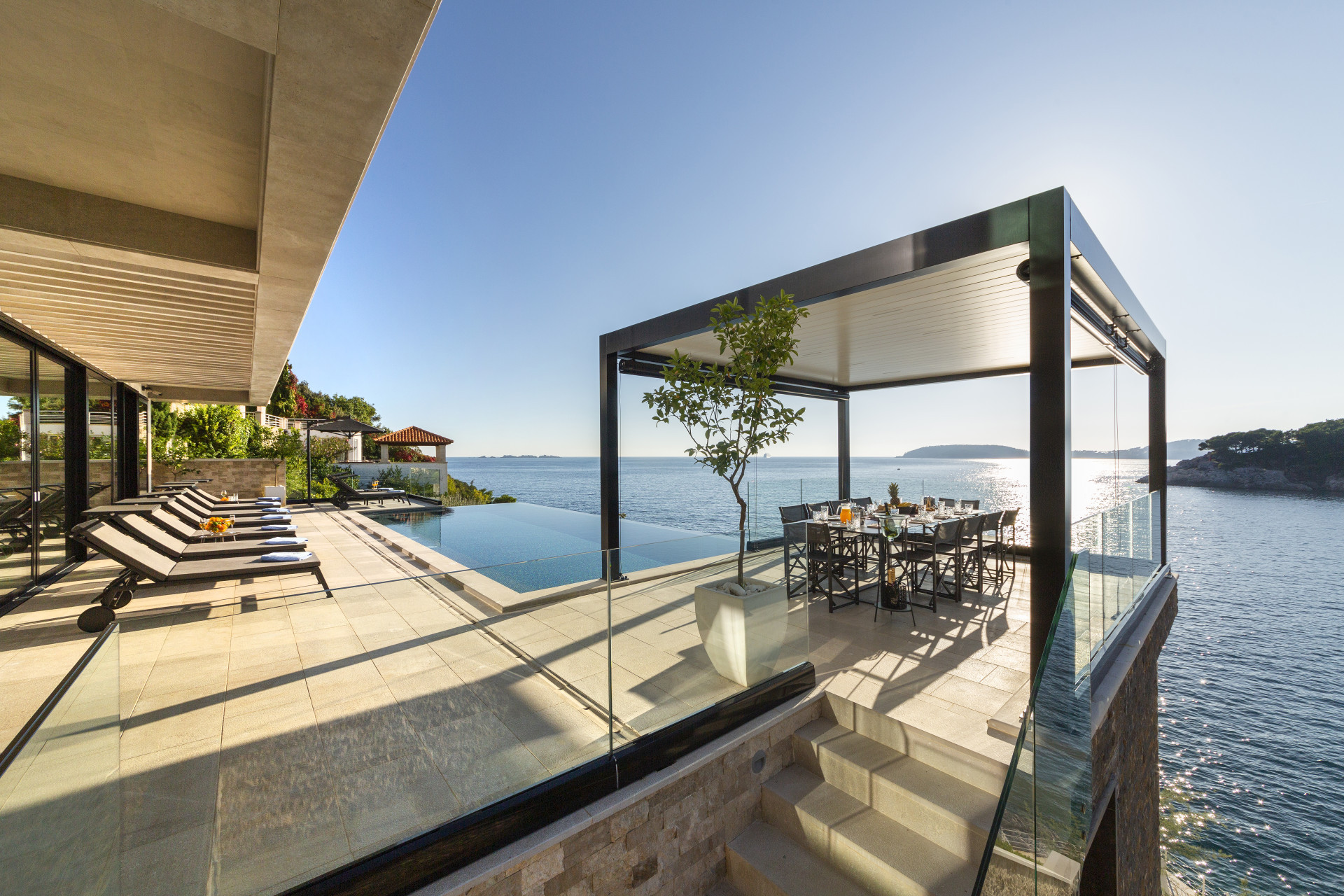
For an island extension: Villa Ella
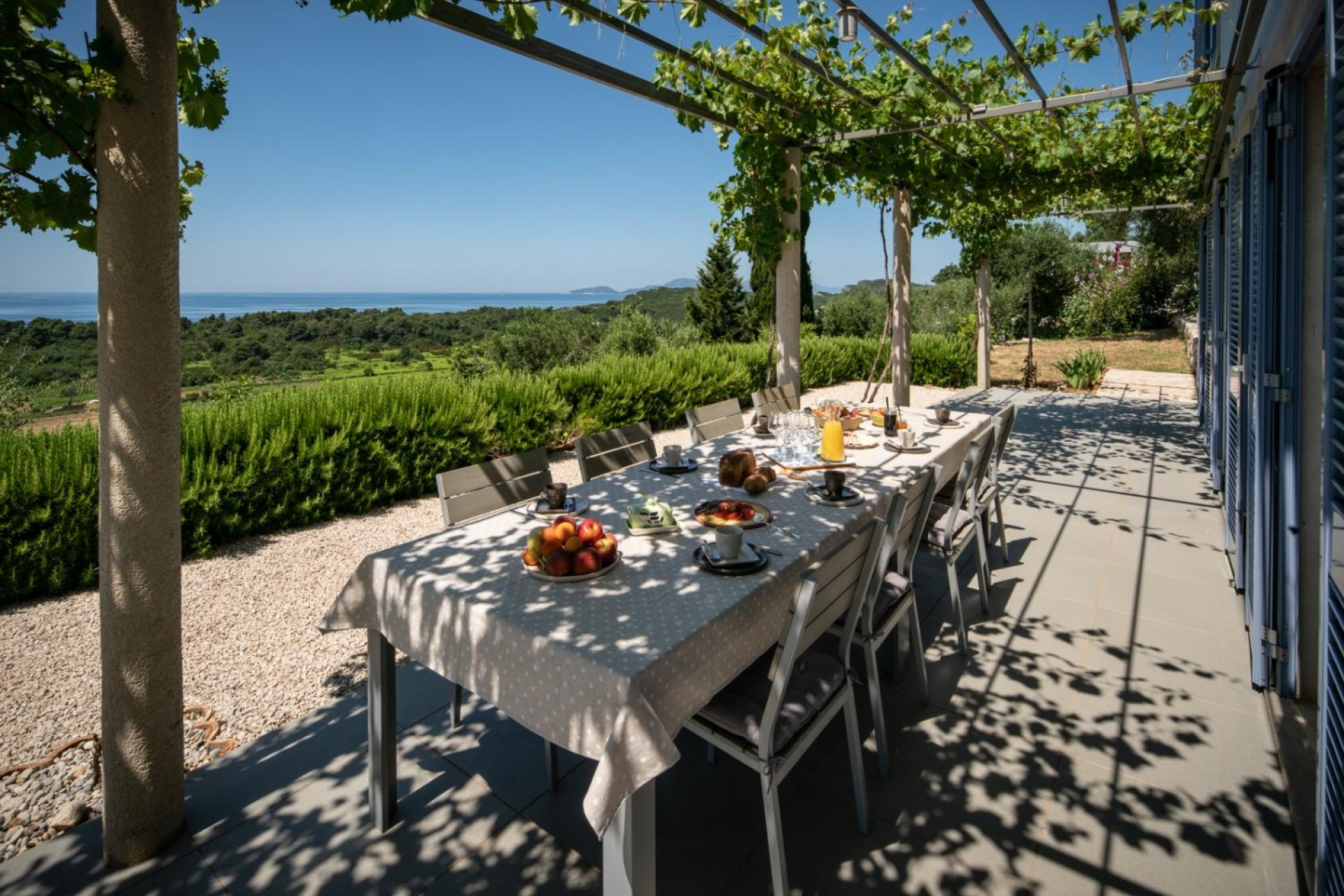
If you'd like to combine Dubrovnik with a peaceful island stay, Villa Ella on the island of Šipan offers an excellent alternative to staying close to the Dubrovnik Old Town. Set on an impressive 7,300 m² private estate surrounded by an ancient olive grove and Mediterranean greenery, the villa accommodates up to 10 guests across five bedrooms.
Which city is better for couples?
For a romantic getaway, Dubrovnik has a slight advantage.
There is something inherently romantic about walking the city walls together, taking the cable car for sunset views, sailing around the Old Town, or having dinner overlooking the Adriatic.
It is particularly well suited to honeymoons and anniversaries.
Pair Dubrovnik with a private villa overlooking the sea and the city becomes an excellent destination for couples who want privacy without being far from restaurants, beaches and cultural attractions.
Split shouldn't be overlooked, however. Couples who prefer a livelier holiday with island hopping, nightlife and spontaneous day trips may actually enjoy Split more.
Best for classic romance: Dubrovnik
Best for active couples: Split
Split or Dubrovnik for families?
For many families, Split is the more practical base.
There are numerous beaches, supermarkets and family-friendly restaurants, while the surrounding region offers an impressive variety of day trips.
From Split, families can easily explore:
- Trogir
- Krka National Park
- Omiš and the Cetina River
- Brač
- Šolta
- Blue Lagoon
- Šibenik
Choosing a luxury villa in the wider Split area also gives families more space, a private swimming pool and the flexibility to alternate sightseeing days with completely relaxed days at home.
Dubrovnik can also be excellent for families, particularly those travelling with older children interested in history, kayaking and boat excursions.
Verdict: Split for variety and flexibility; Dubrovnik for families prioritising history and sightseeing.
Which is better for island hopping: Split or Dubrovnik?
This is another category where Split has an advantage.
Split is one of Dalmatia's major ferry hubs and an excellent starting point for exploring Hvar, Brač, Šolta and Vis. This makes it particularly attractive if island hopping is central to your Croatian itinerary.
Dubrovnik provides access to a different collection of islands. The nearby Elaphiti Islands are perfect for easy boat excursions, while Mljet and Korčula can be incorporated into a longer journey through southern Dalmatia.
Verdict: Split for extensive island hopping; Dubrovnik for relaxed boat trips and exploring southern Dalmatia. For more island hopping experience in Croatia, read here.
Best day trips from Split
One of the strongest arguments for choosing Split as your base is just how much you can experience without moving accommodation.
Spend several nights in a luxury villa around Split and build your itinerary around day trips.
Trogir is roughly 30 kilometres away and offers another beautifully preserved UNESCO-listed historic centre.
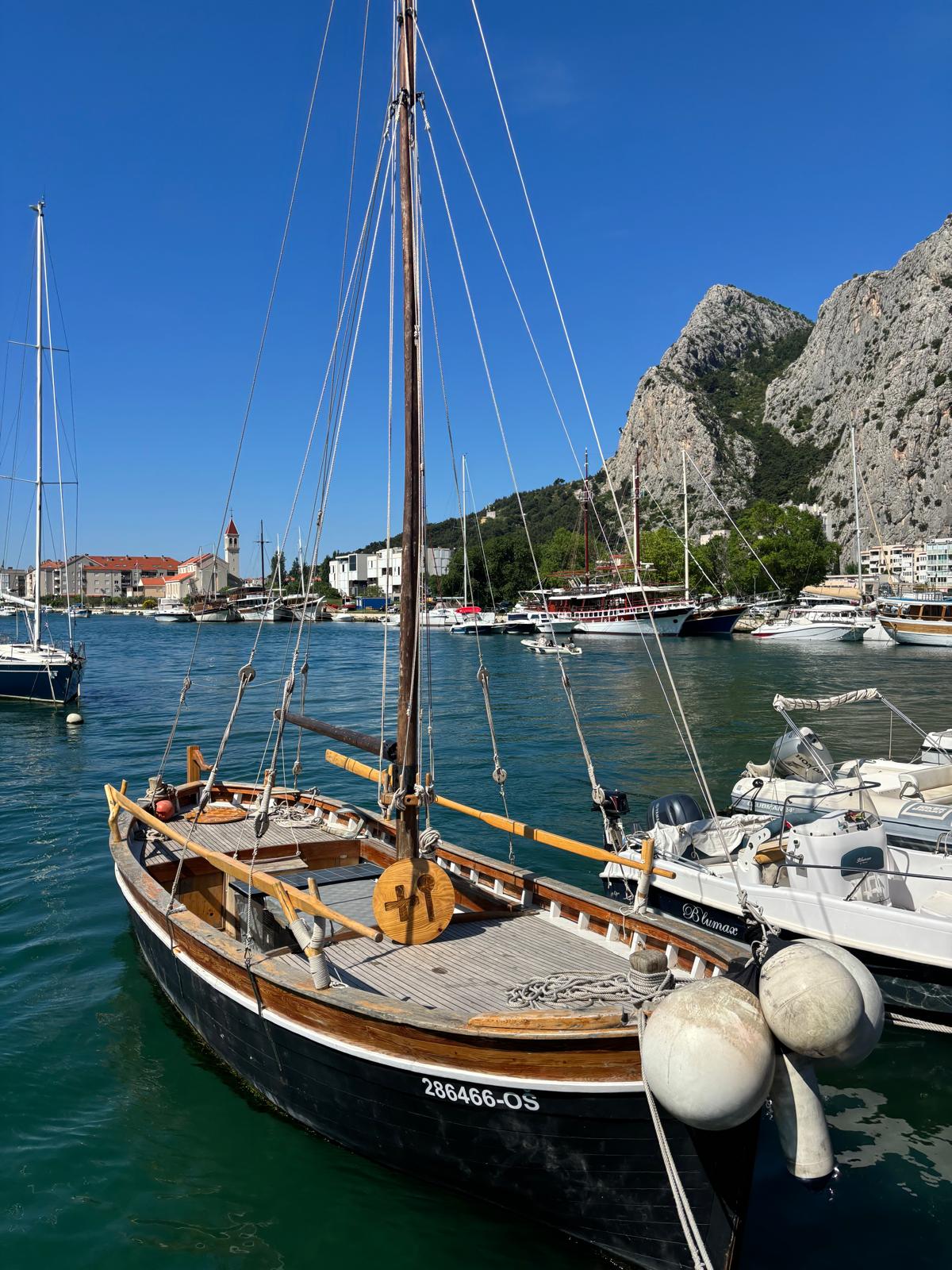
Omiš combines beaches, mountains and adventure activities along the Cetina River.
Krka National Park is ideal for a nature-focused day trip, while nearby Šibenik adds another historic coastal city to your itinerary.
And when you want an island day? Take a boat towards Brač, Šolta or the Blue Lagoon.
This flexibility is one of the reasons Split works so well as a base for travellers wondering what to do in Split for 3 days or longer.
Best day trips from Dubrovnik
Dubrovnik may sit towards Croatia's southern tip, but its surroundings offer plenty to fill several days.
Take a boat through the Elaphiti Islands, spend a leisurely afternoon in Cavtat, or head inland towards Konavle for wine tasting and traditional food.
For gastronomy, travel north to Ston and Pelješac, a region famous for oysters, vineyards and spectacular coastal scenery.
Travellers with more time can also incorporate Korčula or Mljet National Park into their southern Croatia itinerary.
Dubrovnik and Split itinerary: Why not visit both?
If you have enough time, the best answer to Dubrovnik or Split might simply be: both.
The two cities complement each other extremely well.
For a seven-day Dubrovnik and Split itinerary, consider spending four nights around Split and three nights near Dubrovnik.
Begin in Split and use your villa as a base for exploring Diocletian's Palace, Trogir, nearby beaches and perhaps Hvar or Brač. Then travel south towards Dubrovnik for three nights of historic sightseeing, romantic dinners and an excursion to the Elaphiti Islands, Konavle or Pelješac.
Rather than changing accommodation every night, using two luxury villas as regional bases gives you a far more relaxed way to experience the Croatian coast.
So, is Split or Dubrovnik better?
The answer comes down to the kind of holiday in Croatia you want.
Choose Split if you want:
- A lively Mediterranean city
- More nightlife
- Easy island hopping
- A greater variety of day trips
- More beaches
- A good base for families and groups
Choose Dubrovnik if you want:
- A romantic atmosphere
- Spectacular historic surroundings
- Luxury and privacy
- Memorable restaurants and sunset experiences
- Easy access to southern Dalmatia
- A honeymoon or couples' escape
If you're still asking which is better, Split or Dubrovnik, there really isn't a universal winner. Split is arguably the more versatile base for an active holiday, while Dubrovnik delivers a more intimate and visually spectacular experience.
And if you have seven days or more, don't choose at all; experience both.
Find your perfect base in Croatia with My Luxoria
Whether Split's lively Mediterranean lifestyle wins you over or Dubrovnik's timeless romance is impossible to resist, where you stay can completely change how you experience the destination.
Instead of spending your holiday packing and moving between hotels, make a private luxury villa your base. Spend the morning exploring, the afternoon beside your own pool, and the evening dining under the stars—with the freedom to experience Croatia at your own pace.
Discover My Luxoria's handpicked luxury villas in Split and Dubrovnik and find the perfect base for your next Croatian escape.
FAQ
Is Split or Dubrovnik better for first-time visitors?
Split is generally better if you want a versatile base for beaches, islands and day trips, while Dubrovnik is ideal if history, romance and spectacular scenery are your priorities. With a week or more, combining both cities gives first-time visitors an excellent introduction to Dalmatia.
Is Split better than Dubrovnik for nightlife?
Generally, yes. Split has a larger and more varied nightlife scene, with bars, beach clubs and late-night venues. Dubrovnik is better suited to atmospheric wine bars, cocktails and sophisticated evenings.
Does Split or Dubrovnik have better beaches?
Split offers greater variety and easy access to several beaches in and around the city. Dubrovnik's beaches tend to be smaller but often have particularly beautiful settings and views. For secluded beaches, having a car and staying outside either city centre opens up many more possibilities.
Is Dubrovnik more expensive than Split?
Dubrovnik generally has a reputation for higher prices, particularly around the Old Town during peak summer. Prices in both destinations vary considerably depending on season, location and accommodation type.
How far is Dubrovnik from Split?
The cities are roughly 230 kilometres apart by road. Driving usually takes around three hours, although summer traffic can increase journey times. Buses and seasonal ferry connections provide alternatives if you're travelling without a car.
Can you visit Split and Dubrovnik in one week?
Yes. Seven days works well if you concentrate on these two areas rather than trying to see the entire Croatian coast. Four nights around Split and three around Dubrovnik provide enough time for both cities plus a few carefully selected day trips.
Should I stay in Split or Dubrovnik for my honeymoon?
Dubrovnik is the stronger choice for a classic romantic honeymoon thanks to its historic atmosphere, dramatic views and sophisticated dining. Split may be better for couples who want nightlife, island hopping and a more active itinerary.
Do I need a car in Split or Dubrovnik?
You don't need a car to explore either historic centre. However, renting one can be very useful if you're staying in a villa outside the city and want to explore beaches, wineries, national parks and smaller towns independently.